

BPSC ASO · Module 4 · standard depth · 13 min
Arab and Turkish invasions
What BPSC ASO asks from this chapter
Syllabus lines this chapter covers:
- Preliminary: General Knowledge (General Studies 50, General Science and Mathematics 50, Mental Ability 50) · India and neighbouring countries: history of neighbouring countries, history of India, culture
- Mains Paper 2: General Knowledge (General Studies 50, General Science and Mathematics 50, Mental Ability 50) · India and neighbouring countries: history of neighbouring countries, history of India, culture
BPSC ASO questions from this module are being sorted into our bank.
Cut to standard depth for BPSC ASO. 13 deeper paragraphs are in the full chapter.
Start from zero: why did invaders keep coming?
In the last chapters we met the kingdoms of early medieval India: the Rashtrakutas, Palas, Pratiharas, Rajputs and the Cholas. While they fought each other, big changes were taking place across the north-western mountains. New powers there would soon reach into India.
First came the Arabs, as traders and then as invaders, in the seventh and eighth centuries. Then, from about the year 1000, came the Turks: Mahmud of Ghazni, who raided Indian temple towns almost every year, and nearly two centuries later Muhammad Ghori, who stayed and conquered.
By 1206, a Turkish slave general, Qutbuddin Aibak, was ruling at Delhi with the title of sultan. This was the beginning of the Delhi Sultanate, which changed how India was governed for centuries.
Why study this? Exams ask about Mahmud's raids, Somnath, Tarain (1192), Chandawar (1194), Aibak, the Ghaznavids and Ghorids, and the causes of the Turkish success. Mains asks why Indian kingdoms failed to stop the Turks and what the conquest changed.
Arab and Turkish invasions at a glance
| Phase | Key facts |
|---|---|
| Arabs | 7th-8th c.: traders, then invaders; resisted by the Pratiharas |
| Ghaznavids | Alptigin founds Ghazni kingdom; Mahmud 998-1030 |
| Mahmud's raids | 1000 (Jayapala) to 1030; Multan, Punjab; Thanesar, Mathura, Kannauj, Somnath |
| Ghorids | Muhammad Ghori via the Gomal pass; Peshawar, Multan, Uchh, Lahore |
| Decisive battles | Tarain 1192 (Prithviraj Chauhan); Chandawar 1194 (Jayachandra) |
| 1206 | Ghori dies; Aibak becomes sultan: Delhi Sultanate begins |
The key idea. Mahmud raided and returned; Ghori conquered and stayed. The difference between plunder and conquest is the thread of this chapter.
Across the mountains: Arabs, Turks and Central Asia
A land of nomads. North-west of India lay Central Asia. Its heart was Transoxiana, the land between the rivers Oxus and Jaxartes (Amu Darya and Syr Darya), which the Arabs called Mawarannahr, 'that which is beyond the river'. West of it lay Khurasan, whose rich pastures again and again drew nomads down from the steppes.
Why the steppes mattered. The nomads of the steppes were superb horsemen, and their natural pattern was to raid the settled lands to the south. Settled empires tried to guard the frontier. In the eighth century this task passed to the Arabs.
The Arabs on the frontier. The Arabs conquered Transoxiana in the early eighth century. They pushed the Turks beyond the Jaxartes and built fortified walls and frontier posts manned by ghazis, warriors who defended the faith. Over time, the guards on both sides came to share the same weapons, tactics and way of life.
The Arabs in India. The Arabs also reached India in the seventh and eighth centuries, first as traders and later as invaders. In western India the Gurjara-Pratiharas resisted Arab incursions, and the Pratiharas, Palas and Rashtrakutas all had to deal with the Arab presence in trade and politics. In fact, from the Arab traders of the seventh century to the Turkish empire of the thirteenth, the subcontinent remained a target of outside powers.
How Turks became soldiers of Islam. In 750 the Abbasids replaced the Umayyads as Caliphs. Civil wars among the sons of Caliph Harun al-Rashid weakened the empire, and rulers began to trust foreign soldiers who stood outside court quarrels. Caliph Mu'tasim (833-842) was the first to build his guard on a large body of Turkish slaves.
Slaves who became kings. The Turk from the steppes was a hardy warrior, and he could be bought like any other commodity in the slave markets of Transoxiana. But the plan backfired: the Turkish guards began to make and unmake rulers. As the Caliph's control became nominal, small independent kingdoms such as the Samanids arose, and Turkish slave officers rose high within them.
Why this matters for India. Those Turkish slave generals would found the kingdoms that invaded India. Mahmud of Ghazni's raids, and the Ghorian invasions a century later, were distant results of these Central Asian movements.
Mahmud of Ghazni: raids for wealth
The rise of Ghazni. Alptigin, a Turkish slave who served as a Samanid governor, broke away and set up an independent kingdom at Ghazni in Afghanistan. The Ghaznavid kingdom became famous under Mahmud (998-1030). Under him, Iranian influence reached its peak: Mahmud even claimed descent from the Iranian mythical hero Afrasiyab.
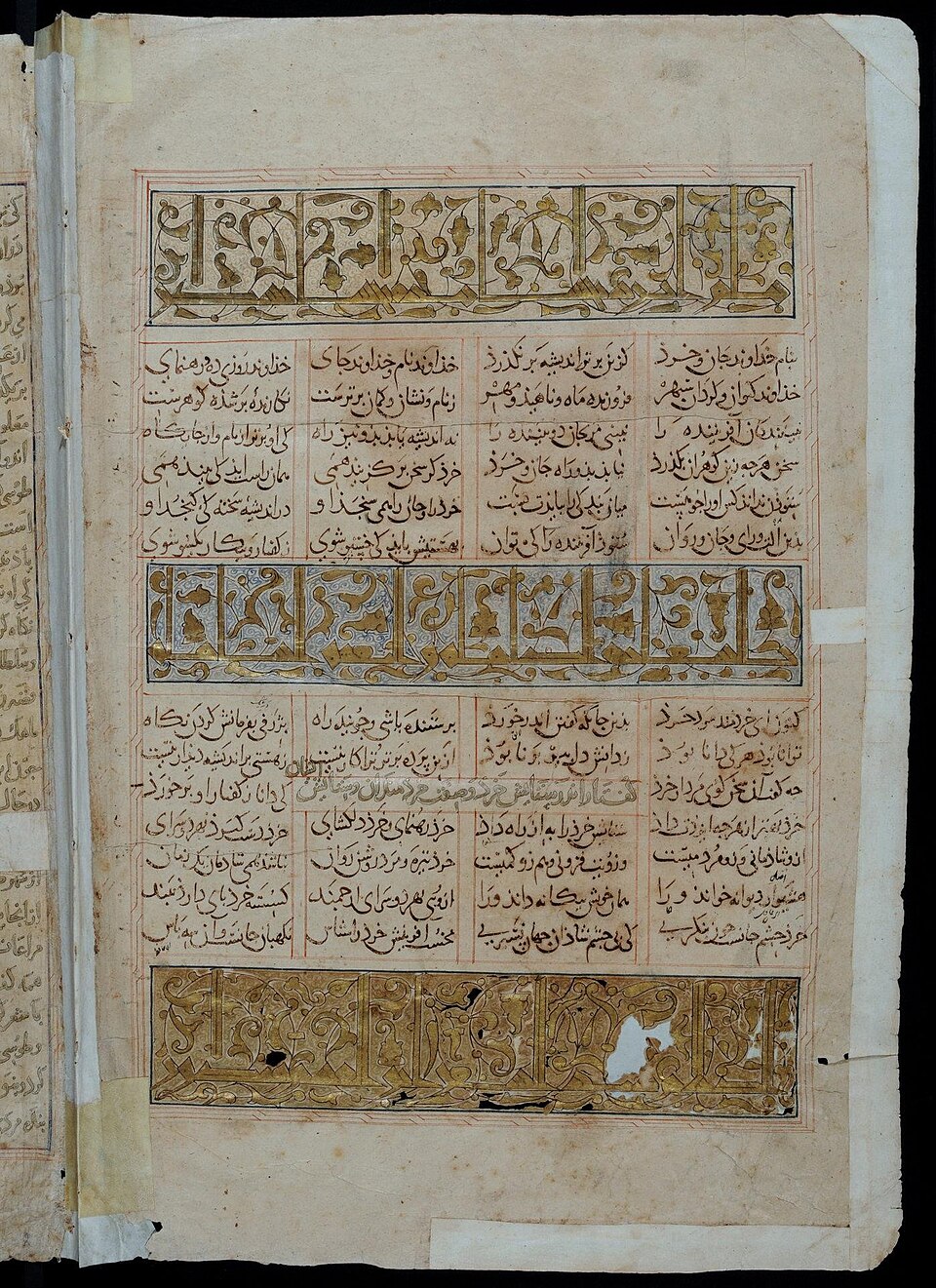
A Persian court. The great poet Firdausi, author of the Shahnama, lived at Mahmud's court. In this way the Turks became fully Islamised and Persianised. This Persian court culture would later travel to Delhi.
India before Mahmud. No single power had replaced the Gurjara-Pratiharas. North India was divided among many kingdoms, and the era is often called 'feudal': kings granted land to officers and others, who served the king with troops. Great feudatories took titles such as mahasamanta and mahamandaleshvara, and lesser ones raja, ranaka, samanta, thakura or bhogika.
The raids begin. Mahmud's invasions began in 1000, when the Shahiya king Jayapala was routed. After that his raids became almost an annual event until his death in 1030. He took Multan and occupied Punjab, which became part of the Ghaznavid empire.
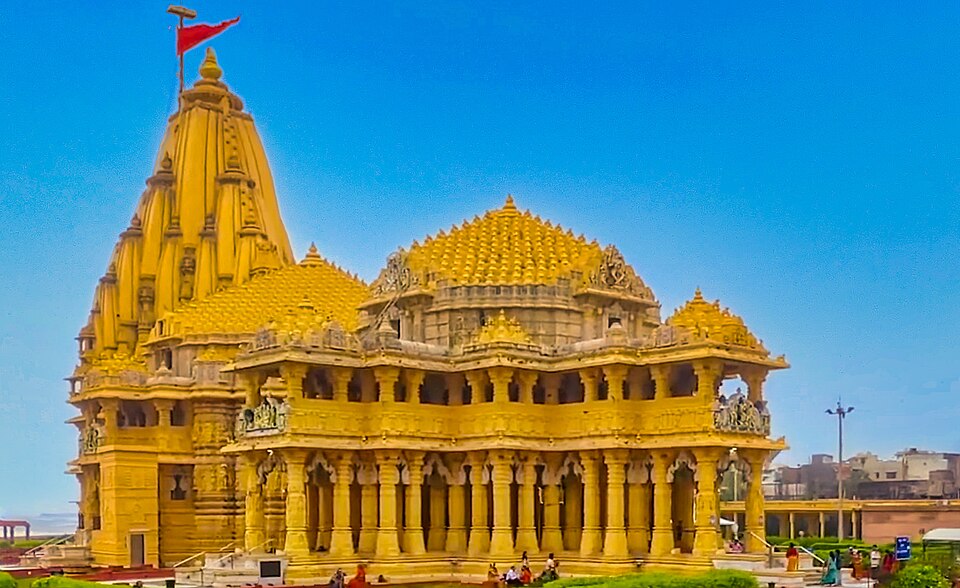
The temple towns. Mahmud's main interest in India was its fabulous wealth, much of it stored as cash, jewellery and golden images in temples. So from 1010 to 1026 his raids targeted the temple towns of Thanesar, Mathura, Kannauj and finally Somnath. The wealth was used largely to strengthen his position in Central Asia, where his real ambitions lay.
What the raids revealed. Mahmud did not try to rule the Ganga valley. But his campaigns broke down Indian resistance in the north-west and, more importantly, exposed that Indian states could not offer a united defence. In political and military terms, his invasions were the forerunners of the later Turkish conquest.
After Mahmud. Soon after his death, the mighty Seljuqs overran Iran and Transoxiana and took the Ghaznavid lands in Khurasan. The Ghaznavids were confined to Ghazni and Punjab. Their rule in Punjab and Sind lasted until about 1175, while the Chauhans pushed back its southern limits.
A note on elephants. It is often said that Indians lost because they relied on elephants that panicked. The sources do not support this as a general cause. Jayapala's elephants did flee, but this was an exception, and Mahmud himself took many elephants from India and used them successfully.
Muhammad Ghori: from raid to conquest
The rise of Ghor. In the twelfth century the Seljuq power collapsed. In the vacuum, the Khwarizm Shahs rose in Iran and the Ghorids of the Shansabani dynasty rose in Ghor, in north-west Afghanistan. The Ghorids had begun as vassals of Ghazni, but they ended Ghaznavid power in Afghanistan.
Why India? The Khwarizm Shahs were expanding fast across Central Asia and even into Ghazni. So the Ghorids could not grow westwards at their cost. The only direction left open was India, and the push began towards the end of the twelfth century.
First targets: Punjab and Sind. Muhammad Ghori (Shihabuddin, 1173-1206) first aimed at Punjab and Sind. Unlike earlier invaders, he entered the Indus plains through the Gomal pass, not the Khyber. He seized Peshawar, Uchh and Multan, then attacked Lahore.
The Chauhans strike back. Next he turned to the Rajput kingdoms of the Ganga plains. The Chauhans under Prithviraj felt the most pressure, because they ruled from Ajmer to Delhi, the gateway to Hindustan. In 1191 Ghori besieged Bhatinda, and it surrendered, but Prithviraj soon retook it after inflicting a humiliating defeat on the Ghorians.
Tarain, 1192. The next year Ghori returned with a larger army. At the famous battle of Tarain in 1192 he decisively defeated the Chauhans.
Hansi, Kuhram and Sarsuti were occupied and garrisoned. Ghori returned to Central Asia, leaving an army near Delhi under Qutbuddin Aibak, with wide powers to extend the conquest.
Why Tarain mattered. Tarain opened the way for Turkish rule; from this date Rajput power entered a phase of irreversible decline. Yet the Ghorians did not take over everything at once. Where it suited them, they let Rajput rulers continue as vassals, as with Prithviraj's son at Ajmer.
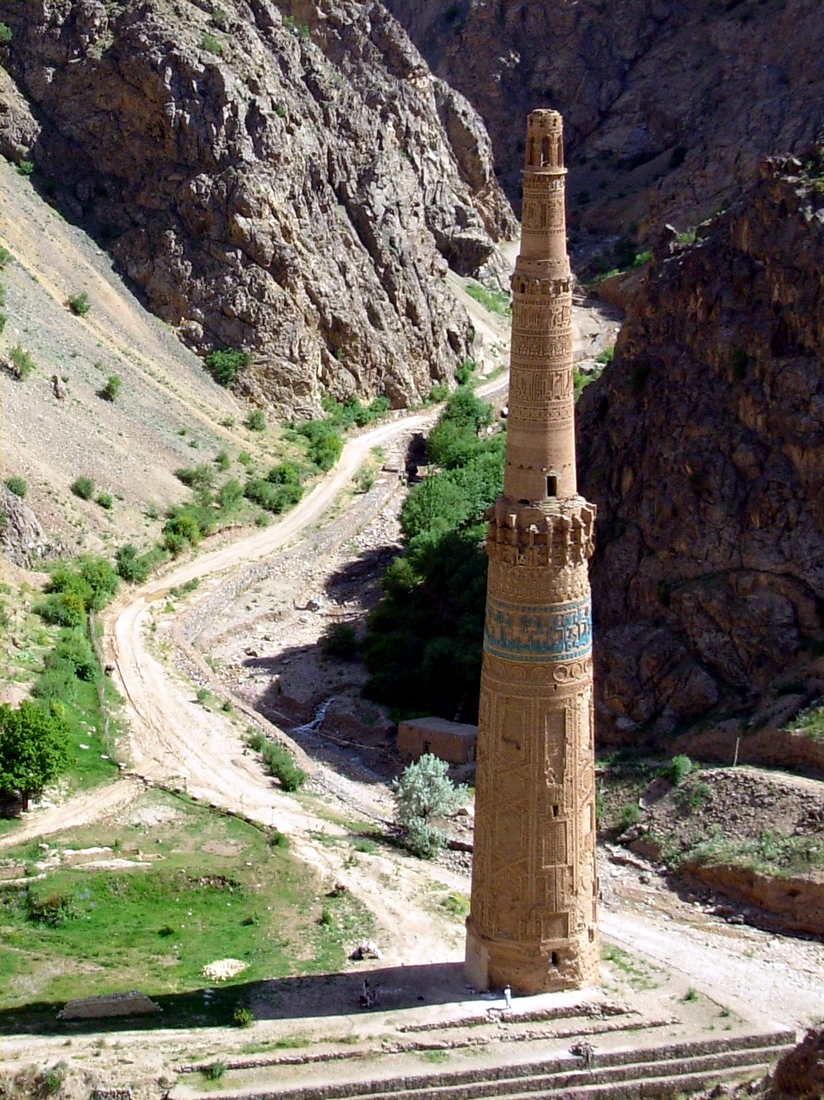
The advance east. Aibak took Meerut and Baran (Bulandshahr) in 1192 and occupied Delhi in 1193, which became the capital because it was close to Punjab and well placed for eastern campaigns. In 1194 he took Kol (Aligarh). In the same year Ghori defeated the Gahadavala king Jayachandra at Chandawar, between Etah and Kanpur, though Kannauj itself was taken only in 1198-99.
More conquests. Bayana, Gwalior and Anhilwara fell in 1195-96, and Badaun in 1197-98. Around 1202 the Chandella centres of Kalinjar, Mahoba and Khajuraho were occupied. Still, conquered areas tended to slip away, and it took decades for Turkish control to become firm.
1206: the Sultanate begins. Ghori died suddenly in 1206. His three main generals, Tajuddin Yalduz, Nasiruddin Qubacha and Qutbuddin Aibak, competed for power. Aibak, the commander in India and technically still a slave, received the title of sultan, and the formal beginning of the Delhi Sultanate is traced to this event.
Aibak and Iltutmish. Aibak moved his capital to Lahore to block Yalduz's ambitions in Punjab, and died in 1210. His son-in-law Iltutmish brought the capital back to Delhi and spent his reign winning back lost lands.
Quick revision
- Central Asia: Transoxiana (Oxus-Jaxartes, Mawarannahr), Khurasan; Arabs conquered Transoxiana in the early 8th c.; ghazis on the frontier.
- Abbasids replaced Umayyads (750); Caliph Mu'tasim (833-842) first built a large Turkish slave guard; Samanids and other small kingdoms rose.
- Arabs in India (7th-8th c.): traders, then invaders; Gurjara-Pratiharas resisted.
- Alptigin (Samanid governor) founded Ghazni; Mahmud 998-1030; Afrasiyab claim; Firdausi, Shahnama.
- Raids: 1000 (Shahiya Jayapala) to 1030, almost yearly; Multan, Punjab; 1010-1026 Thanesar, Mathura, Kannauj, Somnath; aim: wealth for Central Asia.
- After Mahmud: Seljuqs; Ghaznavids in Punjab and Sind till c. 1175; Ghorids (Shansabani), blocked by Khwarizm, turn to India.
- Muhammad Ghori (1173-1206): Gomal pass; Peshawar, Uchh, Multan, Lahore; 1191 Bhatinda lost to Prithviraj; 1192 Tarain victory; Aibak in command.
- After Tarain: vassals (Prithviraj's son at Ajmer); Delhi 1193; Kol 1194; Chandawar 1194 (Jayachandra); Kannauj 1198-99; Kalinjar, Mahoba, Khajuraho c. 1202.
- 1206: Ghori dies; Yalduz, Qubacha, Aibak; Aibak sultan, capital Lahore; d. 1210; Iltutmish back to Delhi.
- Causes: fragmentation, feudal levies (Fakhr-i Mudabbir), caste limits, pollution; iron stirrup, horseshoes; not elephants. Results: centralised state, iqta (transferable, muqtis), towns, Persian wheel, spinning wheel.