

BPSC CCE · Module 6 · Mains depth · 22 min
Akbar: building the empire
What BPSC CCE asks from this chapter
Syllabus lines this chapter covers:
- Prelims: General Studies · History of India and broad features of Bihar history
BPSC CCE has asked 1 question from this chapter (2022); 8 from its whole module.
Read at full depth: basics, the standard layer and the Mains analysis.
Start from zero: a boy king and a fragile throne
In January 1556 Humayun fell down the stairs of his library and died. His son Akbar was thirteen, far away in Punjab, with an Afghan army marching on Delhi. The Mughals held only a thin strip of north India, and many of their own nobles wanted power for themselves.
Fifty years later, when Akbar died in 1605, the Mughal empire stretched from Kabul to Bengal and from Kashmir to the Deccan. It had provinces, ranked officers, a measured land revenue, and alliances with the proud Rajput houses. Historians say that without Akbar the empire might not have lasted at all.
How did a teenage king turn a shaky conquest into a lasting state? The answer has three parts: conquest, organisation and winning partners. This chapter takes them one by one, and then looks at Akbar's famous ideas about religion and kingship.
Keep one question in mind as you read. Was Akbar driven mainly by conviction, or by the practical needs of holding a huge and varied empire together?
Akbar's reign at a glance
| When | What happened | Why it matters |
|---|---|---|
| 1556 | Accession; Second Battle of Panipat against Hemu | The Afghan challenge is beaten. |
| 1560 | Bairam Khan dismissed | Akbar begins to rule himself. |
| 1562 | Marriage alliance with Bhara Mal of Amber | Start of the Rajput partnership. |
| 1564 | Garh Katanga of Rani Durgawati conquered | Central India opened up. |
| 1572-73 | Gujarat conquered | Rich ports and trade. |
| 1575, 1578 | Ibadat Khana founded; opened to all faiths | Religious debate at court. |
| 1576 | Daud killed; Bengal taken | Independent Bengal ends. |
| c. 1580 | 12 subas created | Uniform provincial administration. |
| 1581 | Revolts in the east; march to Kabul | The most critical crisis survived. |
| 1586, 1590 | Kashmir; Thatta (Sindh) | North-west secured by 1595. |
| 1595-1600 | Ahmednagar (Chand Bibi); Asirgarh | Mughals enter the Deccan. |
Notice that the biggest burst of conquest came after Akbar had first settled his quarrel with his own nobles. Expansion needed a loyal team at home.
The regency of Bairam Khan, 1556-60
Why a regent. Akbar was a minor, and the Afghans under Hemu were challenging the empire. Nobles feared that a regent would become a ruler in all but name. Yet they accepted Bairam Khan, Akbar's tutor and Humayun's trusted companion, as wakil, because they needed a leader against the Afghans.
Grabbing control. Bairam Khan wanted to rule firmly. He jailed his critic Shah Abul Ma'ali and kept rivals away in Kabul. When the Mughal commander Tardi Beg lost Delhi to the Afghans at Tughlaqabad, Bairam Khan had him executed without the emperor's approval.
Panipat again. The victory over Hemu at the Second Battle of Panipat (1556) restored Bairam Khan's standing. He rewarded loyalists with titles, jagirs and posts, and blocked rivals' access to the young king. Within months he held almost complete control.
The tide turns. After Hamida Banu Begum, Akbar's mother, arrived from Kabul in April 1557 with Maham Anaga, Bairam Khan's grip loosened. He had to share decisions with leading nobles, and even his own deputy turned against him. When Akbar announced his dismissal in March 1560, Bairam Khan's own followers either backed the king or stayed neutral.
What it shows. The regency reveals that real power lay with the nobility, mainly Chaghatai and other Turani nobles. They accepted Bairam Khan as a leader against the Afghans, but not as a ruler in all but name. Akbar would face the same nobles in a series of revolts until 1567.
A charge examined. The historian R.P. Tripathi accused Bairam Khan, a Shia, of favouring Shias over Sunnis. I.A. Khan finds no evidence of favours on religious grounds, and points out that Bairam Khan's favourite, the sadr Shaikh Gadai, was a Sunni. This is a good example of why religious labels must be checked against the record.
Conquests in the north, centre, west and east
First steps. Gwalior and Jaunpur were taken in 1559-60. Malwa, ruled by Baz Bahadur, was conquered next, and he fled towards Burhanpur. In 1564 the Mughals conquered Garh Katanga (Gondwana), ruled by Rani Durgawati, though Akbar later returned the kingdom to her husband's brother.
Taming the nobles. In the same years Uzbeg nobles such as Abdullah Khan Uzbeg and Khan Zaman rebelled. With the help of loyal nobles like Mun'im Khan, Akbar crushed them. By 1567 the long conflict with the nobility that began after Bairam Khan's fall was over.
Gujarat, 1572-73. Gujarat had broken into warring principalities under a nominal sultan, Muzaffar Shah III. It was fertile and full of busy ports, and one of its princes, I'timad Khan, invited Akbar in. Ahmedabad fell without serious resistance, and Surat was taken after a siege.
A famous march. Within six months rebels rose and pushed back the Mughal governor, Mirza Aziz Koka. Akbar raced from Agra at about 50 miles a day, reached Gujarat in about 10 days with a small force, and crushed the revolt. Contemporaries counted this among his greatest feats.
Bengal and Bihar. Since Sher Shah's time Bengal and Bihar had been ruled by Afghans. Sulaiman Karrani acknowledged Akbar, but his son Daud refused. Akbar took Hajipur and Patna in 1574, and in 1576 Daud was killed and Gaur taken, ending nearly two centuries of independent rule in Bengal.
Orissa. Parts of Orissa remained with Afghan chiefs for some years. Around 1592, Raja Man Singh brought the whole of Orissa under Mughal rule. A Rajput general completing the conquest of the east shows how far the Rajput alliance had come.
The crisis of 1581, the north-west and the Deccan
The most critical year. The historian V.A. Smith called 1581 the most critical time in Akbar's reign, leaving aside his early struggles. Revolts broke out in Bengal, Bihar, Gujarat and the north-west. The rebels even proclaimed Akbar's half-brother Mirza Hakim, ruler of Kabul, as their king.
Why they revolted. Two causes stand out. The Afghans, overthrown everywhere, were discontented, and Akbar had begun a strict control of jagirs, asking jagirdars to submit accounts and cutting military expenses. In Bengal these rules were enforced harshly, and the anger spread.
Akbar's response. Akbar sent large forces under Raja Todar Mal and others, who crushed the rebellion in the east. Mirza Hakim attacked Lahore but retreated when Akbar marched against him. Akbar occupied Kabul in 1581, and after Mirza Hakim's death a few years later, Raja Man Singh became governor of Kabul.
The north-west frontier. The Roshanai sect cut the road between Kabul and India. In one operation Raja Birbal, one of Akbar's closest companions, was killed with about 8,000 men. Todar Mal and Man Singh later defeated the Roshanais.
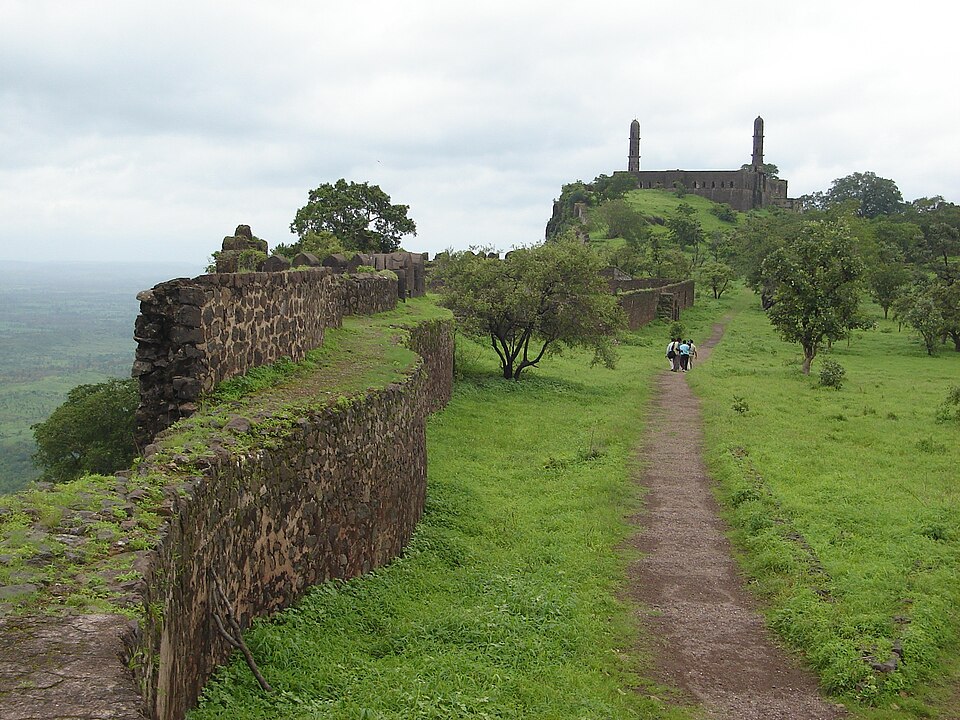
Kashmir and Sindh. Kashmir was annexed in 1586 after its king's son resisted a first treaty. Thatta in Sindh was taken in 1590 by the Khan-i-Khanan, governor of Multan. By 1595 the Mughals were supreme across the north-west.
Into the Deccan. In 1591 Akbar sent missions asking the Deccan states to accept Mughal sovereignty, and only Khandesh responded warmly. In 1595 Mughal forces besieged Ahmednagar, where Chand Bibi put up fierce resistance and finally ceded Berar. After Prince Murad's death in 1598, Ahmednagar was captured and Asirgarh fell in 1600.
Organising the empire: subas, mansabs and revenue
Twelve provinces. Conquest had to be followed by administration. Around 1580 Akbar divided the empire into 12 subas: Allahabad, Agra, Awadh, Ajmer, Ahmedabad (Gujarat), Bihar, Bengal, Delhi, Kabul, Lahore, Multan and Malwa. After the Deccan conquests Berar, Khandesh and Ahmednagar were added, making 15.
Same rules everywhere. Each suba was run by a set of officers under common rules. The governor (subedar) headed it, but he had no control over revenue, which belonged to a separate provincial diwan. Splitting power this way made it hard for any one officer to break away.
The mansab system. Akbar gave every officer, military or civil, a mansab, meaning a rank. There were 66 grades, from a commander of 10 to a commander of 10,000. Mansabdars were paid either in cash or through a jagir, an assignment of land revenue; the details are covered in the chapter on Mughal administration.
From jagir to khalisa. Revenue figures sent by local officials were often inflated, and jagirdars and zamindars interfered. So in 1573-75 jagirs across north India were converted into khalisa, land administered directly by the state. Each block yielding about one crore dams was put under an officer called a karori, who measured all the land.
The dahsala. Using this survey, officials collected yields and local prices over ten years, for 1570-71 to 1579-80. They worked out the average value of each crop per bigha and fixed one-third of it as a cash rate. For example, if a bigha produced 12 maunds selling at 12 dams a maund, its value was 144 dams, and the rate became 48 dams.
Old roots. The method of grading land as good, middling and poor came from Sher Shah, as told in the chapter on Babur, Humayun and Sher Shah. Akbar's officials, with Raja Todar Mal prominent among them, refined it into a lasting system. Historians still debate how uniformly it was applied, since around 1600 about a third of revenue was still collected by other methods.
Winning partners: the Rajputs and the chieftains
Why the Rajputs. To hold a stable empire, Akbar needed the large tracts held by Rajput kings in Rajasthan, which linked the Ganga valley with the ports of western India. He also needed a counterweight to rebellious Uzbeg and Turani nobles. The Rajputs were brave, famously loyal, and mostly zamindars with their own armies.
Phase one: marriages and submission. In 1562 Raja Bhara Mal of Amber paid personal homage and gave his daughter in marriage to Akbar. Such marriages were political compromises; they did not mean conversion, and similar alliances had existed before. Akbar insisted on personal homage, because a personal bond seemed the surest guarantee of loyalty.
Not yet peace. Rajput resistance did not vanish. When Akbar besieged Chittor (taken in 1567-68), the Rajputs fought fiercely, and Akbar proclaimed the war a jihad. Yet he trusted Bhara Mal enough to leave him in charge of Agra during the Gujarat campaign, the first time a Hindu prince was given such a charge.
Phase two: soldiers of the empire. Around 1570 Bikaner and Jaisalmer submitted. During the Gujarat campaign Rajputs were enlisted with fixed salaries and sent outside Rajasthan for the first time. Akbar relied heavily on the Kachhawaha princes Man Singh and Bhagwant Das.
Mewar holds out. Rana Pratap of Mewar refused to pay personal homage. This led to the battle of Haldighati, which was not a Hindu-Muslim war, since important Rajput groups fought on the Mughal side. It is better seen as an assertion of regional independence; Mewar submitted only in 1614-15, under Jahangir.
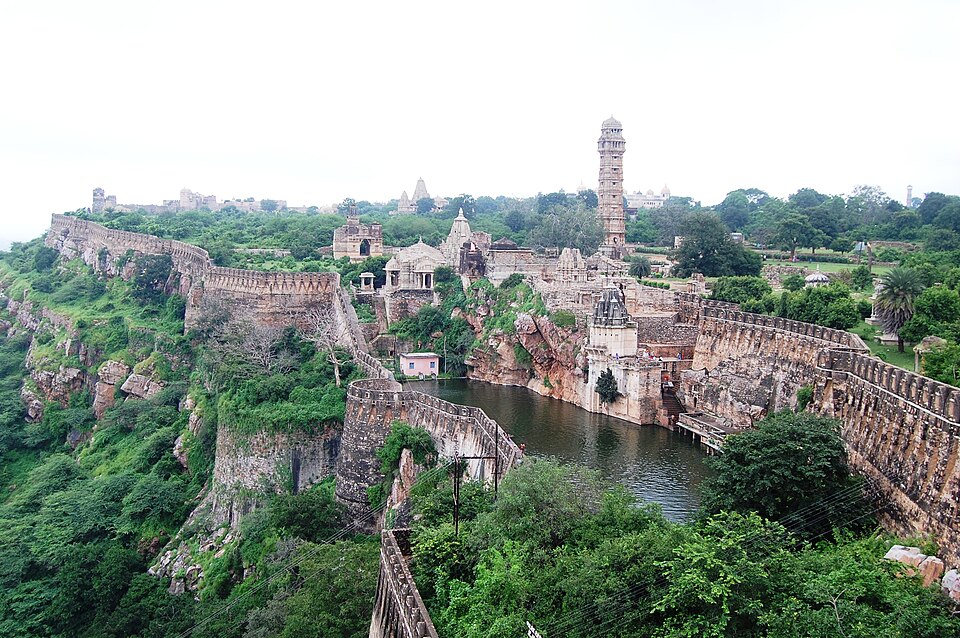
Phase three: partners. When Mirza Hakim invaded Punjab in 1580-81, Man Singh and Bhagwant Das defended it, and from then on the Rajputs became the sword-arm of the empire. By 1585-86 they held governorships such as Lahore, Kabul, Agra and Ajmer. In the Ain-i Akbari's list of mansabdars, 13 of the 24 Rajputs were Kachhawahas.
The bargain with chieftains. Akbar's approach applied to autonomous chiefs of every caste, Rajput or not. They kept their lands and collected revenue by local custom, but served in the Mughal army, paid tribute called peshkash, and accepted the emperor's right to recognise their successor (tika). In return about 61 chiefs received mansabs, and their home lands became hereditary watan jagirs.
Who gained. The empire gained armies, administrators and peace at its core. The chiefs gained security, bigger jagirs than their kingdoms, and a share in imperial power. The limits were social: the Rajputs stayed orthodox, refusing to join Akbar's discipleship or to back his opposition to sati, and many Mughal nobles resented their rise.
Religion: from concessions to sulh-i kul
A word of caution. Medieval chroniclers wrote in religious language, calling their own army the 'army of Islam' even when it fought Muslims. Reading such words literally can make every war look like a religious war. Historians therefore separate the idiom of the sources from the real aims of state policy.
Early concessions, 1562-65. In these years Akbar made Rajput marriages, abolished the pilgrimage tax, banned the forced conversion of prisoners of war, and abolished jiziya. These steps gave him the image of a tolerant ruler. Yet in his personal life he was then a devout Muslim who honoured the ulema.
A harder phase. After 1565 his attitude hardened. The victory proclamation of Chittor (1568) called the war a jihad and boasted of destroying temples, and according to Badauni Akbar reimposed jiziya in 1575, though it did not work. Most Rajput chiefs nonetheless joined his service in 1566-73, which suggests that religion was a tool for political goals, used or dropped as needed.
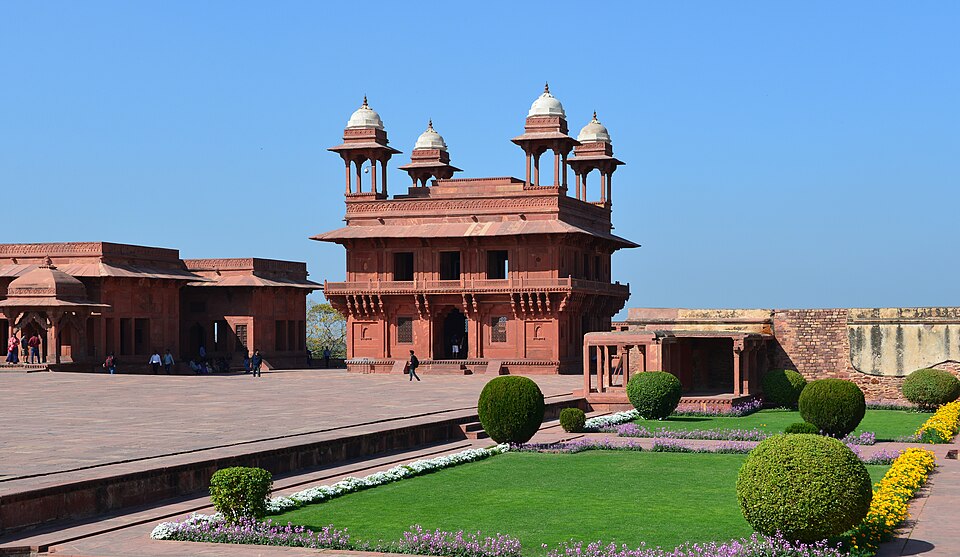
The Ibadat Khana. In 1575 Akbar built the Ibadat Khana (house of worship) at Fatehpur Sikri for debates among Muslim theologians. Disgusted by their quarrels, in 1578 he opened it to Sufis, Shias, Brahmins, Jains, Christians, Jews and Parsis. The debates convinced him that the essence of faith lay in inner conviction based on reason.
The mahzar. In the late 1570s leading theologians signed a declaration, the mahzar, that where scholars disagreed on religious law, the emperor's judgment would prevail. It was signed under pressure and provoked protests, but it ended the domination of the orthodox ulema. The once-powerful office of the sadr, which handed out land grants, was sharply curbed.
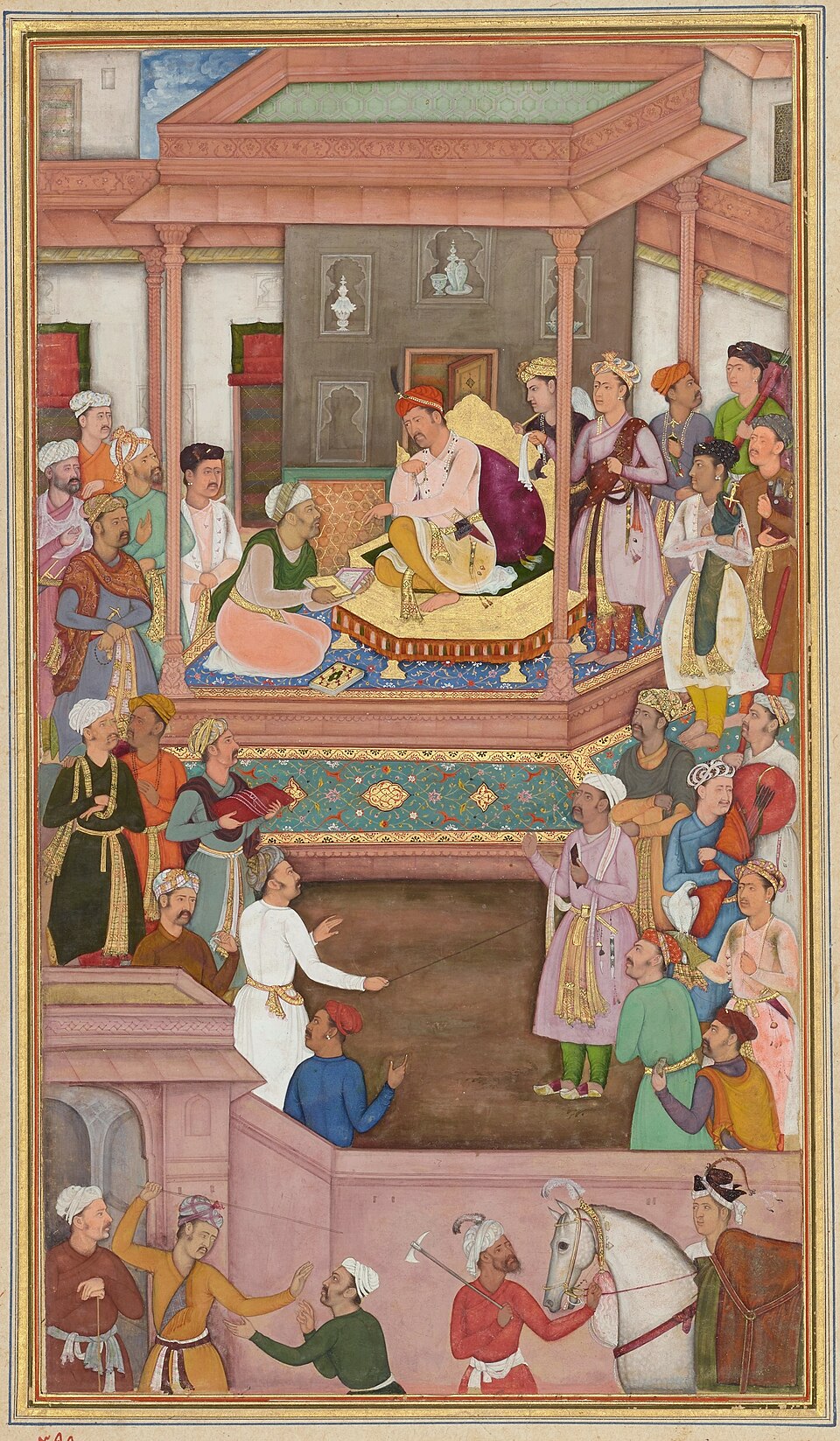
Tauhid-i Ilahi. Akbar's Tauhid-i Ilahi, often wrongly called Din-i Ilahi, was not a new religion. It had no holy book, no priests, no place of worship and no rituals except initiation, and no one was forced or paid to join. It was a personal discipleship in which a small band of followers accepted Akbar as their spiritual guide.
Sulh-i kul. Abul Fazl's Akbarnama presented Akbar as the bearer of a divine light handed down through his Timurid ancestors. It set out sulh-i kul, 'peace for all', as an ideology of government, meant to ease relations between a diverse people and their rulers. In practice Akbar avoided discrimination by faith, but acted firmly against any individual who threatened his position, whatever his religion.
Mains lens: conviction or statecraft?
Three explanations. Historians explain Akbar's tolerance in three ways. Some credit his upbringing and the intellectual influences around him. Others say he drifted away from Islam, and the current view stresses political need: lacking reliable support among the foreign nobles, he had to win the Rajputs and Indian Muslims.
The evidence of timing. The concessions of 1562-65 came when Akbar faced revolts by Uzbeg nobles. The harder line of 1565-75 coincided with wars against Chittor and Mewar. The Ibadat Khana, the mahzar and sulh-i kul came after the empire and its alliances were secure.
Beyond religion. A strong answer treats religion as one part of a wider strategy of inclusion. Mansabs for Rajputs and other chiefs, watan jagirs, Rajput governors and an ideology of a just emperor above all sects all served one aim. That aim was to make many powerful groups feel they had a stake in the empire.
Conviction too. It would be wrong to reduce everything to calculation. Akbar's debates at the Ibadat Khana, his search for reason in faith and his refusal to force anyone into his discipleship show real intellectual curiosity. The best answers show how personal belief and statecraft reinforced each other.
The limits. The alliance rested on the emperor's person more than on society. The Rajput elite stayed socially orthodox, much of the Mughal nobility and ulema feared losing their place, and the non-sectarian movements that might have broadened support were weak. When later emperors changed course, the partnership came under strain, part of the story told in the chapter on Mughal decline.
How to write it. Start with the problem Akbar faced in 1556: a narrow base and restless nobles. Then show conquest, organisation and partnership as linked solutions, with religious policy changing with political needs. Conclude that Akbar's genius lay in turning a conquest state into a shared imperial enterprise, with real but limited reach.
Mains practice: Akbar
| Angle | Question | Key points to cover |
|---|---|---|
| Policy | "Akbar's Rajput policy was a political necessity rather than a religious ideal." Discuss. | Turani nobles' revolts; Bhara Mal 1562; personal homage; Gujarat campaign and fixed salaries; Mewar and Haldighati; 1585-86 partnership; watan jagir; limits. |
| Religion | Trace the evolution of Akbar's religious ideas and explain what sulh-i kul meant for governance. | 1562-65 concessions; 1565-75 hardening; Ibadat Khana 1575 and 1578; mahzar; Tauhid-i Ilahi as discipleship; Abul Fazl and divine light; sulh-i kul. |
| Administration | How did Akbar turn a conquest state into an organised empire? | Subas c.1580; separation of governor and diwan; mansab grades; khalisa 1573-75; karoris; dahsala and one-third cash rate; chieftain policy. |
| Debate | "The regency of Bairam Khan shows that power in the early Mughal state lay with the nobility." Examine. | Why a regent was accepted; Tardi Beg; Panipat 1556; Hamida Banu and Maham Anaga; dismissal 1560; Tripathi vs I.A. Khan; revolts till 1567. |
These are practice questions written by us, not past papers. Past questions from your exam appear in the PYQ panel.
How to use this table: each answer should explain the what, then the why, and end with what it led to.
Quick revision
- Akbar: born Oct 1542; accession Feb 1556 at 13; died 1605. Regent Bairam Khan 1556-60; Second Panipat 1556 (Hemu); dismissal March 1560.
- Early conquests: Gwalior, Jaunpur 1559-60; Malwa (Baz Bahadur); Garh Katanga 1564 (Rani Durgawati). Noble revolts ended 1567.
- Gujarat 1572-73 (I'timad Khan's invitation; 50 miles a day, 10 days). Bengal 1576 (Daud killed). Orissa c. 1592 (Man Singh).
- 1581 revolts (V.A. Smith: most critical); Mirza Hakim; Kabul 1581. Birbal killed by Roshanais. Kashmir 1586, Thatta 1590; north-west by 1595.
- Deccan: missions 1591; Ahmednagar 1595 (Chand Bibi, Berar ceded); Murad d. 1598; Asirgarh 1600.
- 12 subas c. 1580; 15 after the Deccan (Berar, Khandesh, Ahmednagar). Mansab: 66 grades, 10 to 10,000.
- Revenue: khalisa 1573-75; karoris; dahsala (data 1570-71 to 1579-80); one-third in cash.
- Rajputs: Bhara Mal 1562; Chittor 1567-68; Gujarat campaign = fixed salaries outside Rajasthan; Haldighati (Rana Pratap); Mewar submits 1614-15; Kachhawahas 13 of 24.
- Religion: 1562-65 concessions (pilgrimage tax, POW conversion, jiziya); Chittor fathnama 1568; Ibadat Khana 1575, opened 1578; mahzar late 1570s; Tauhid-i Ilahi; sulh-i kul.
BPSC CCE questions from this chapter
Ain-i-Akbari was written by
- (A) Abdul Qadir
- (B) Akbar
- (C) Khwaja Nizamuddin
- (D) Abul Fazl
- (E) None of the above/More than one of the above
Show answer
(D) Abul Fazl · our answer; official key awaited