

HPSC HCS · Module 7 · Mains depth · 16 min
Education and the press under British rule
What HPSC HCS asks from this chapter
Syllabus lines this chapter covers:
- Prelims Paper I: General Studies · History of India and the national movement
- Mains · GS I: culture, modern and world history, society, geography, Haryana issues
HPSC HCS has asked 1 question from this chapter (2023); 7 from its whole module.
Read at full depth: basics, the standard layer and the Mains analysis.
Start from zero: why would rulers care what their subjects read?
Think about what a school teaches. It decides which language children learn in, which books they read and which heroes they admire. A ruler who controls schools can shape how a whole generation thinks.
The British understood this well. They needed Indians to help run the empire, as clerks, translators and teachers. They also hoped that educated Indians would admire British ways and stay loyal.
Newspapers raised a similar question. A free press could expose the misdeeds of officials and spread new ideas quickly. So the British swung between allowing the press some freedom and clamping down on it.
This chapter follows both stories, education and the press. As you read, keep one question in mind. The British used education and print to strengthen their rule, so how did these same tools end up helping Indians challenge it?
Key milestones at a glance
This table lists the main turning points in education and the press. Each one is explained in this chapter.
| Year | Event | Why it matters |
|---|---|---|
| 1780 | Hickey's Bengal Gazette | It was the first newspaper in India. |
| 1784 | Asiatic Society of Bengal (William Jones) | It became a centre for the study of India's past. |
| 1813 | Charter Act: one lakh rupees a year for education | It was the first time the Company had to spend on education. |
| 1835 | Macaulay's Minute | English became the medium of higher education. |
| 1854 | Wood's Despatch | The government took responsibility for an education system. |
| 1857 | Universities of Calcutta, Bombay and Madras | They were the first modern universities in India. |
| 1878 | Vernacular Press Act (Lytton) | It gagged Indian-language newspapers. |
| 1882 | Hunter Commission; Ripon repeals the Press Act | Primary education got attention, and press freedom was restored. |
Notice the two threads. Education policy moved slowly from Indian classical learning to English, and then towards a full system of schools. Press policy swung back and forth between freedom and control.
The Orientalists: ruling India by understanding it
Who were the Orientalists? The first generation of British administrators included Warren Hastings, William Jones and Jonathan Duncan. They were called Orientalists because they studied and promoted Indian languages and traditions. They held that India had a glorious past that had later degenerated.
Why did they study India? They believed that understanding India would strengthen British rule. Hastings argued that Hindus had laws that had stayed unchanged for centuries, so the British should master those laws and Sanskrit. Their picture of India's past also suited the needs of the colonial administration.
What did they build? The Orientalists founded several institutions:
- The Calcutta Madrassa (1781), by Warren Hastings.
- The Asiatic Society of Bengal (1784), by William Jones.
- The Sanskrit College at Benaras (1794), by Jonathan Duncan.
Fort William College. Lord Wellesley founded Fort William College at Calcutta to train British civil recruits. Along with the Asiatic Society, it became a centre for the study of Indian culture, language and literature. Works such as those of Kalidasa were translated into English.
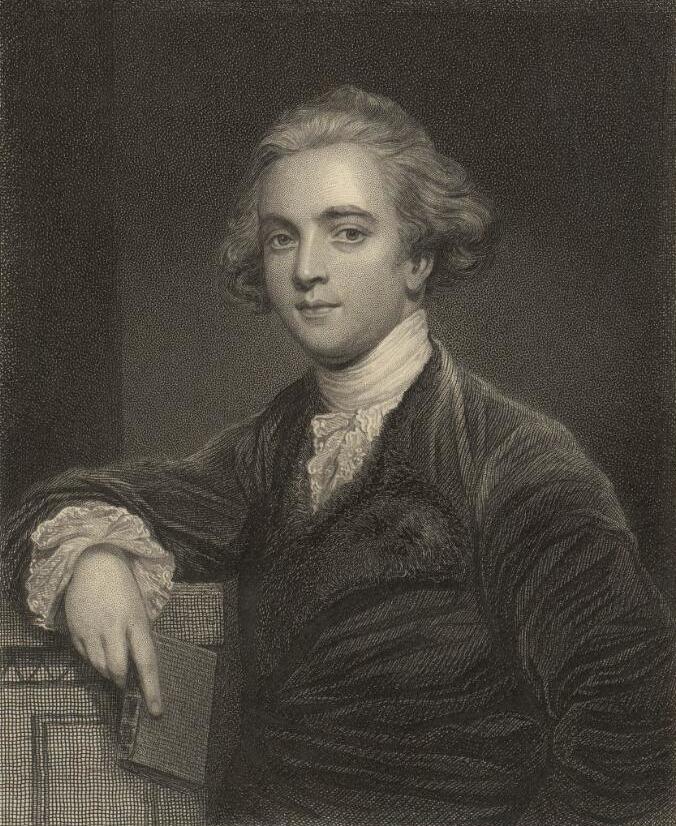
Discoveries. William Jones found links between Sanskrit, Greek and Latin, which showed that Indian and European languages shared ancient roots. For about fifty years the Asiatic Society translated Sanskrit texts and published its journal, Asiatick Researches. Earlier, in 1776, N.B. Halhed had published A Code of Gentoo Laws.
Why does this matter? The Orientalists made educated Indians more aware of their own past. That pride in India's heritage later fed both social reform and nationalism. So even scholarship meant to serve British rule had results the British did not plan.
The great debate: Orientalists versus Anglicists
Before 1813. English education first came through charity schools in Calcutta, Madras and Bombay for European and Anglo-Indian children. The Company supported these schools, but it took no responsibility for educating Indians. That changed with the Charter Act of 1813.
The Charter Act of 1813. The Act allowed missionaries to enter India. It also required the Company to spend one lakh rupees a year on encouraging educated Indians, improving literature and promoting science. But it did not say which literature or which science, so different people read the clause differently.
What was the debate about? The Orientalists wanted the money spent on Sanskrit, Arabic and Persian learning. The Anglicists wanted it spent on Western science and literature taught in English. There was also a question of whether teaching should be in English or in the Indian languages.
English wins. The debate was settled in favour of English after William Bentinck became Governor-General in 1828. T.B. Macaulay, who became Law Member in 1834, led the Anglicists. His Minute of 2 February 1835 became the guiding principle of Indian education.
What did Macaulay want? The government now decided that its aim was to promote European literature and science through English, and all education funds would go to this. Macaulay hoped to create "a class of persons Indian in blood and colour, but English in taste". He argued that limited funds made it impossible to educate the masses.
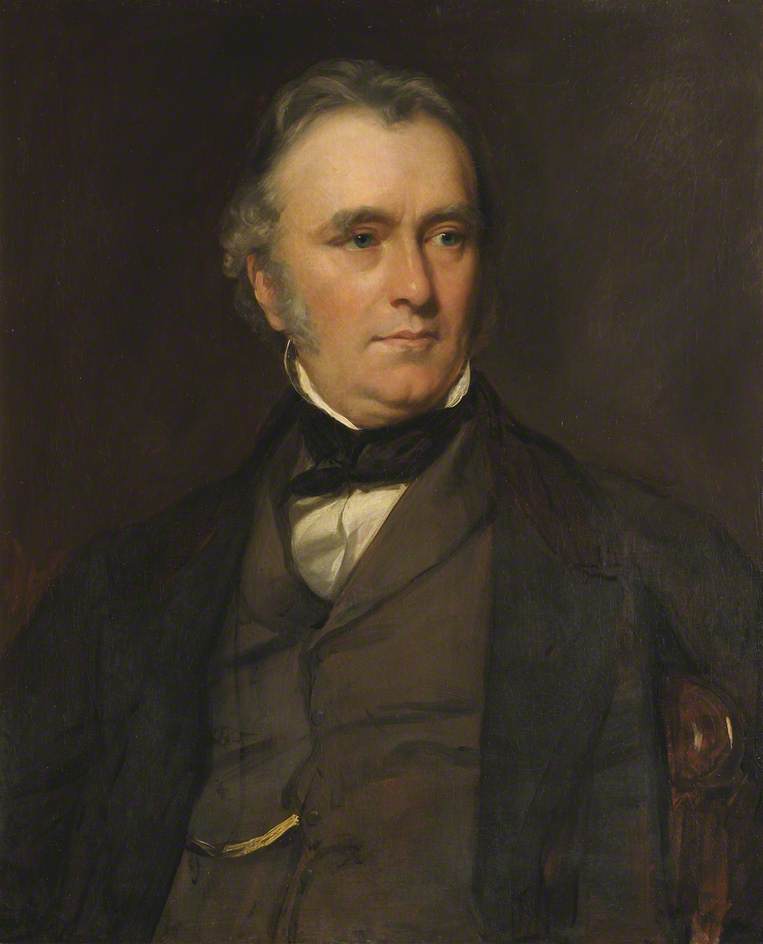
The downward filtration theory. How would the masses learn, then? Under the downward filtration theory, a small group of English-educated Indians would pass Western knowledge down to the masses. They would act as a "class of interpreters", teaching in the regional languages and enriching them.
The practical motive. There was also a cheaper motive. English-educated Indians could fill subordinate posts such as clerks, at lower pay than British staff, which cut the cost of administration. They were also expected to be a loyal class that would spread British culture and buy British goods.
Building a system: Wood's Despatch and after
Wood's Despatch (1854). In 1854 Charles Wood, who oversaw Indian affairs in London, sent Wood's Despatch. It shaped education policy for the rest of the 19th century. Its stated aim was the spread of European knowledge, and it asked the government to take responsibility for education.
What did it propose? The Despatch suggested a ladder of education:
- Vernacular primary schools in the villages.
- Anglo-vernacular high schools and an affiliated college at the district level.
- Universities at the top.
Other recommendations. English was preferred for higher education, while Indian languages were to carry knowledge to the masses. The Despatch recommended grants-in-aid for the first time, to encourage private schools. It also stressed vocational and technical education, teacher training and women's education.
What happened next? In 1855 a Department of Public Instruction was set up in each of the five provinces. In 1857 universities were established at Calcutta, Bombay and Madras, modelled on London University. India now had the outline of a modern education system.
The Hunter Commission (1882). In 1882, W.W. Hunter led a commission to review progress since Wood's Despatch. It gave special attention to primary education and recommended handing its control to district and municipal boards. It proposed two streams at the secondary level, literary and practical, and urged women's education outside the presidency towns.
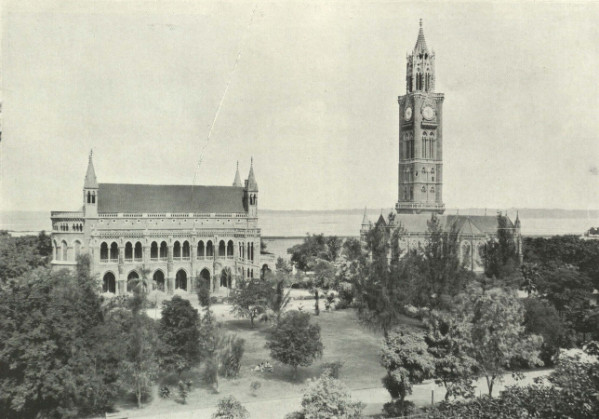
Growth. Over the next two decades, secondary and college education grew sharply. Punjab University (1882) and Allahabad University (1887) were founded. Higher education spread, though mass schooling still lagged far behind.
What did English education do to India?
The neglect of the masses. In practice, only a few English schools and colleges were opened, and elementary schooling for the masses was neglected. Since only Indians who knew English got government jobs, families who could afford it pushed their children towards English. Education became largely the monopoly of the rich and the city-dwellers.
A new class. English education created a new middle class of lawyers, teachers, clerks and officials. Many of them gained jobs in the new courts and offices, and they enjoyed the patronage of the colonial rulers. The British hoped this class would be loyal.
The unexpected result. But English also became the common language of educated Indians across regions. Through it, Indians read Locke, Mill and Rousseau and learned about the French and American Revolutions. Ideas of liberty, equality and self-government now reached Indian minds.
Why does this matter? The class that Macaulay meant to be "English in taste" turned those ideas against British rule. Reformers such as Raja Rammohan Roy, Ishwar Chandra Vidyasagar and Sir Syed Ahmad Khan used modern ideas to attack harmful customs. Educated Indians became politically aware, and many later led the national movement.
The press: between freedom and control
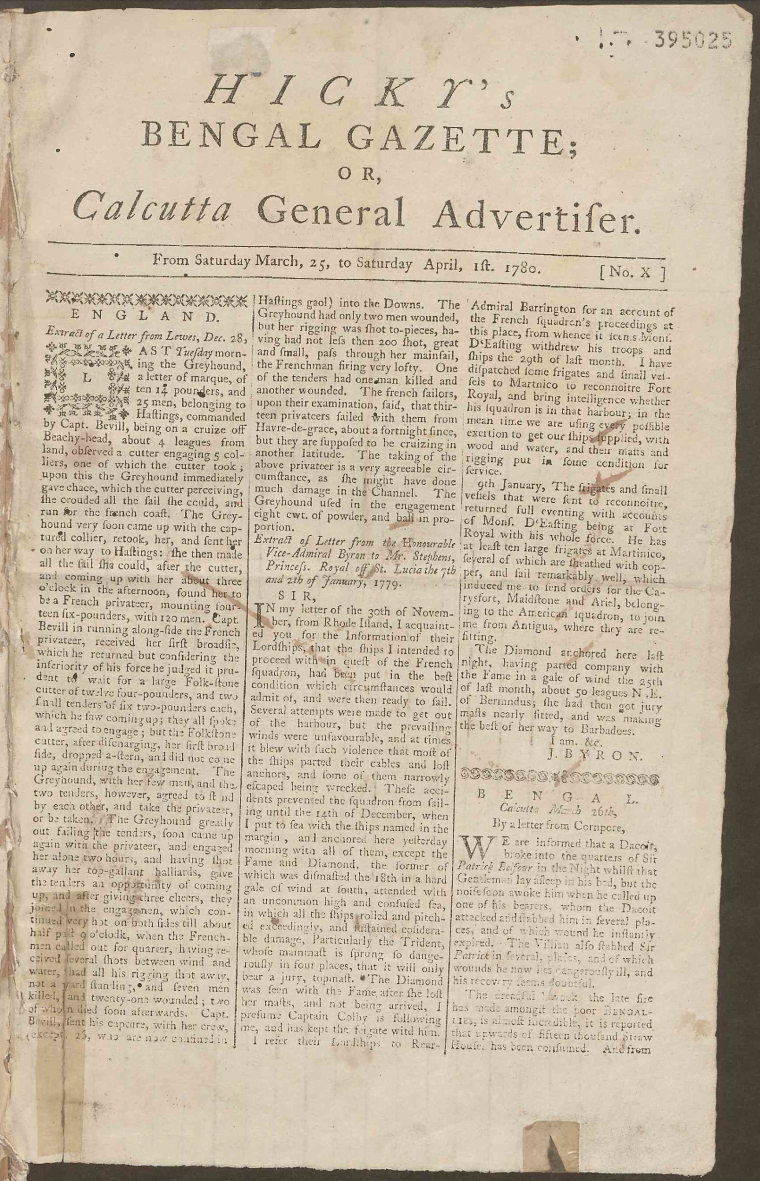
The first newspapers. James Augustus Hickey published the Bengal Gazette in 1780, the first newspaper in India. It was followed by the Calcutta Chronicle (1786), the Madras Courier (1788) and the Bombay Herald (1789). These early English papers were written mainly for Europeans and Anglo-Indians.
Why did officials worry? Company officials disliked newspaper reports of their misdeeds, so they often imposed restrictions. The history of the press under the Company is a story of tightening and loosening these rules. Each Governor-General's attitude made a big difference.
Tight control under Wellesley (1799). Lord Wellesley passed the Censorship of the Press Act of 1799. All content had to be cleared by the Secretary to the Government before printing. The names of the printer, editor and proprietor had to appear in every issue.
A brief relaxation, then licences. Lord Hastings relaxed these rules in 1818 and removed pre-censorship. But in 1823 the acting Governor-General John Adams imposed tough new rules. A licence was now needed to start or use a press, and the Governor-General could cancel it.
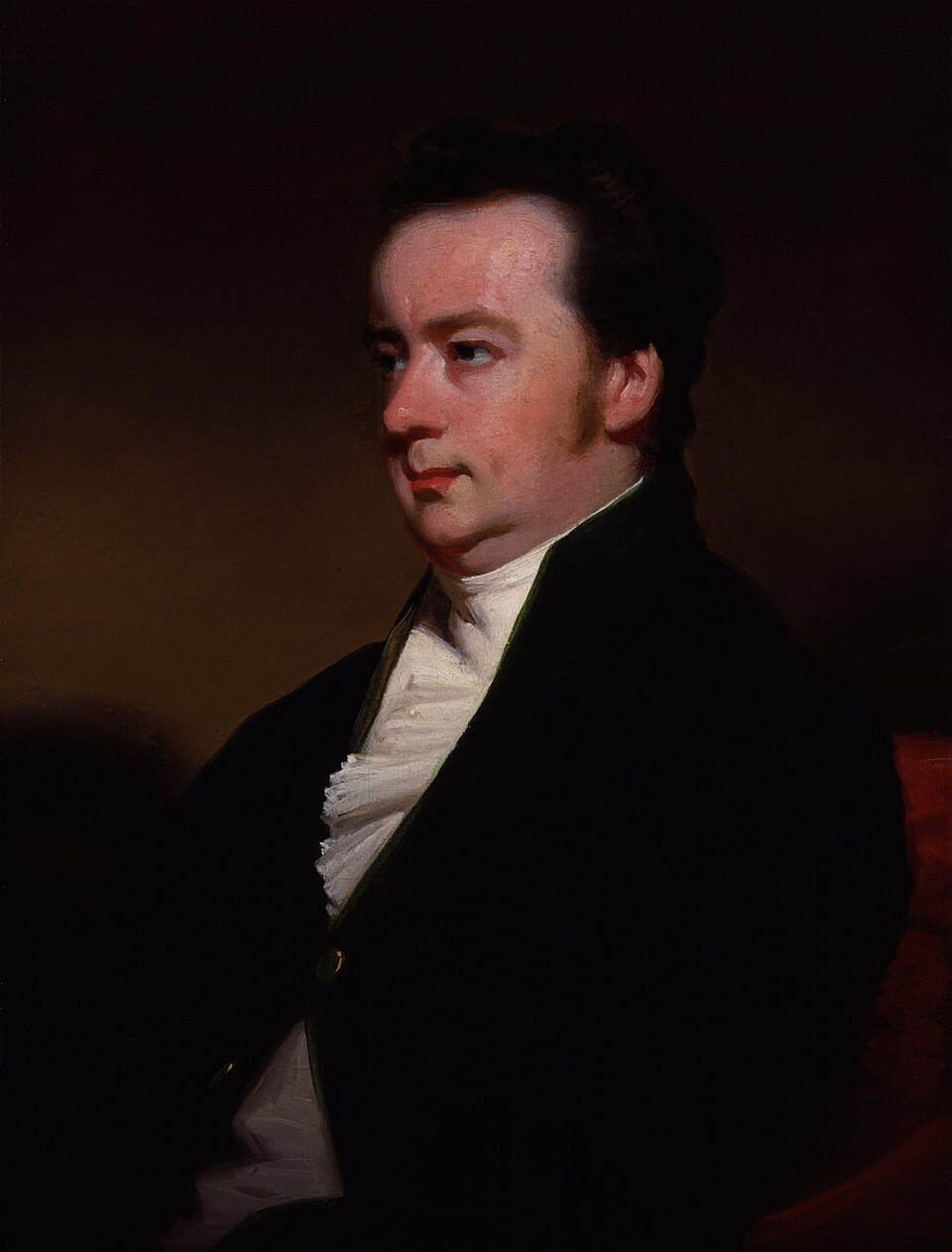
Metcalfe, the liberator of the press. Charles Metcalfe (1835-36) supported a free press and removed the 1823 regulations. Under his Press Act, publishers only had to declare the place of publication. In this freer climate many newspapers started, until strict rules returned after the revolt of 1857.
The Vernacular Press Act (1878). Lord Lytton's Vernacular Press Act was the most serious restriction on Indian-language newspapers. It targeted voices of opposition in local languages, while English papers were not restricted in the same way. There was no appeal against the District Magistrate's decision, and Lord Ripon repealed the Act in 1882.
Why did education and the press matter so much?
Print changed communication. Printing made books widely available and opened new channels of communication. In the 19th century, many newspapers appeared in Indian languages as well as English. News and opinions could now travel across regions within days.
A shared conversation. English education gave educated Indians a common language, and the press gave them a common platform. A lawyer in Madras could read what a reformer in Calcutta or a teacher in Bombay was saying. For the first time, Indians across the country could join one public debate.
The background to nationalism. Together, the press, English education and new ideas of liberty formed the background of a new national consciousness. This is why the British tried so often to control the press, especially in Indian languages. They had built tools for ruling India, and Indians turned those tools into tools of protest.
Mains practice: education and the press
These are practice questions written by us, not past papers. Past questions from your exam appear in the PYQ panel.
| Angle | Question | Key points to cover |
|---|---|---|
| Debate | Explain the Orientalist-Anglicist controversy and its outcome. | Start with the 1813 clause and the two positions. Then explain Bentinck, Macaulay's Minute of 1835 and downward filtration. |
| Motives | "British education policy aimed at clerks, not citizens." Critically examine. | Show cheap clerks, a loyal class and the neglect of mass schooling. Then balance it with Wood's ladder, the universities and the Hunter Commission. |
| Impact | How did Western education contribute to the rise of nationalism? | Cover English as a common language, ideas of liberty and the new middle class. Then add the reformers and political awareness. |
| Policy | Trace the changing British policy towards the Indian press from 1799 to 1882. | Follow the swing from Wellesley to Hastings, Adams and Metcalfe. Then explain the Vernacular Press Act and its repeal by Ripon. |
How to use this table: each answer should explain the what, then the why, and end with what it led to.
Quick revision
- Orientalists (Hastings, Jones, Duncan) founded the Calcutta Madrassa (1781), the Asiatic Society (1784) and the Sanskrit College, Benaras (1794).
- The Charter Act of 1813 set aside one lakh rupees a year for education and let missionaries into India.
- Macaulay's Minute (2 February 1835) made English the medium of higher education.
- The downward filtration theory said English-educated Indians would pass knowledge down to the masses.
- Wood's Despatch (1854) set out a ladder of schools, and universities at Calcutta, Bombay and Madras followed in 1857.
- The Hunter Commission (1882) focused on primary education.
- Hickey's Bengal Gazette (1780) was India's first newspaper.
- Wellesley censored the press in 1799, Adams brought licences in 1823, and Metcalfe freed the press in 1835-36.
- Lytton's Vernacular Press Act (1878) was repealed by Ripon in 1882.
HPSC HCS questions from this chapter
Consider the following statements: 1. James Mill was highly critical of Indian religion and culture. 2. William Bentinck announced in 1835, that Persian was abolished as the court language and was substituted by English. 3. Wood's Despatch led to the establishment of university at Calcutta, Bombay and Delhi. How many of the statements given above are correct?
- (a) Only one statement is correct.
- (b) Only two statements are correct.
- (c) All three statements are correct.
- (d) None of the statements is correct.
Show answer
(a) Only one statement is correct. · our answer; official key awaited