

MPPSC State Forest Service · Module 9 · standard depth · 13 min
Caste movements and the women's question
What MPPSC State Forest Service asks from this chapter
Syllabus lines this chapter covers:
- Prelims Paper I: General Studies (shared with the State Service Exam) · History of India, from Indian knowledge traditions to post-independence reorganisation
MPPSC State Forest Service questions from this module are being sorted into our bank.
Cut to standard depth for MPPSC State Forest Service. 7 deeper paragraphs are in the full chapter.
Start from zero: who gets to learn, and who gets to pray?
Think about two simple things most of us take for granted: going to school and entering a place of worship. In 19th-century India, millions of people could do neither freely. Girls were often kept at home, and people of the so-called lower castes were kept away from learning and from many temples.
These exclusions were not accidents. They were defended by custom and by readings of scripture that only a few upper-caste men controlled. Anyone who questioned them risked being cast out of their community.
The reformers in this chapter took on these two great walls, gender and caste. Some, like Phule and Pandita Ramabai, attacked them head-on. Others, like Sree Narayana Guru, built new institutions so that excluded people could organise and educate themselves.
Keep one question in mind as you read. Why did the fight for women and the fight against caste so often go together, and how far did these reformers succeed?
Key milestones at a glance
This table lists the main steps against caste and for women's rights. Each one is explained in this chapter.
| Year | Event | Why it matters |
|---|---|---|
| 1829 | Sati banned | The first major law protecting women's lives. |
| 1851 | Phule's girls' school in Poona | Schooling for girls and lower castes begins. |
| 1856 | Widow Remarriage Act | Widows can legally remarry. |
| 1872 | Law sanctioning inter-caste marriage | Marriage across caste and community is recognised. |
| 1873 | Satyashodhak Samaj | Lower castes organise for their own liberation. |
| 1881, 1889 | Arya Mahila Samaj; Mukti Mission (Pune) | Women build institutions for women. |
| 1888, 1903 | Aruvippuram consecration; SNDP Yogam | Excluded castes claim the right to worship and organise. |
| 1929 | Sharda Act | Minimum marriage age: girls 14, boys 18. |
Notice the pattern. Early change came mostly through laws pushed by upper-caste reformers. Later, excluded groups themselves began to organise, through bodies like the Satyashodhak Samaj and the SNDP Yogam.
The women's question
Why women were held back. In some sections of 19th-century society, female infanticide, child marriage, sati and polygamy were practised. Women had no property rights and little access to education. Some communities even believed that an educated girl would soon become a widow.
The reasons given. Those who denied women education and property gave several reasons. They spoke of fear of invaders, the honour of the family, dowry and the wish to avoid dividing ancestral property. Reformers saw these as excuses that kept half of society powerless.
Change through law. Reformers often turned to legislation to protect women. Sati was banned in 1829, and widow remarriage was legalised in 1856, as told in the chapter on reform in Bengal. A law of 1860 fixed the minimum age for girls at ten, and a law of 1872 sanctioned inter-caste and inter-communal marriages.
The Sharda Act (1929). The Sharda Act of 1929 forbade the marriage of girls below 14 and boys below 18. It was a major step against child marriage. It also showed how slowly the age of marriage had risen over seventy years.
Resistance to reform. Not everyone welcomed these laws. Some Indians opposed British laws they saw as interference in religion and society. The age-of-consent law that raised the age from 10 to 12 met such opposition, which shows how sensitive these questions were.
Why does this matter? The women's question became a test of modernity for Indian society. Reformers argued that a nation could not progress while half its people were kept uneducated and unequal. That argument still shapes debates on women's rights today.
Women who reformed for women
From objects of reform to reformers. In the early years, most reformers were men who spoke on behalf of women. By the late 19th century, women themselves began to lead. They built institutions, wrote books and spoke in public.
Pandita Ramabai. In Maharashtra, Pandita Ramabai fought for women's rights and against child marriage, and promoted girls' education. In 1881 she started the Arya Mahila Samaj in Pune for women, especially child widows. She also wrote books on the lives of child brides and child widows.
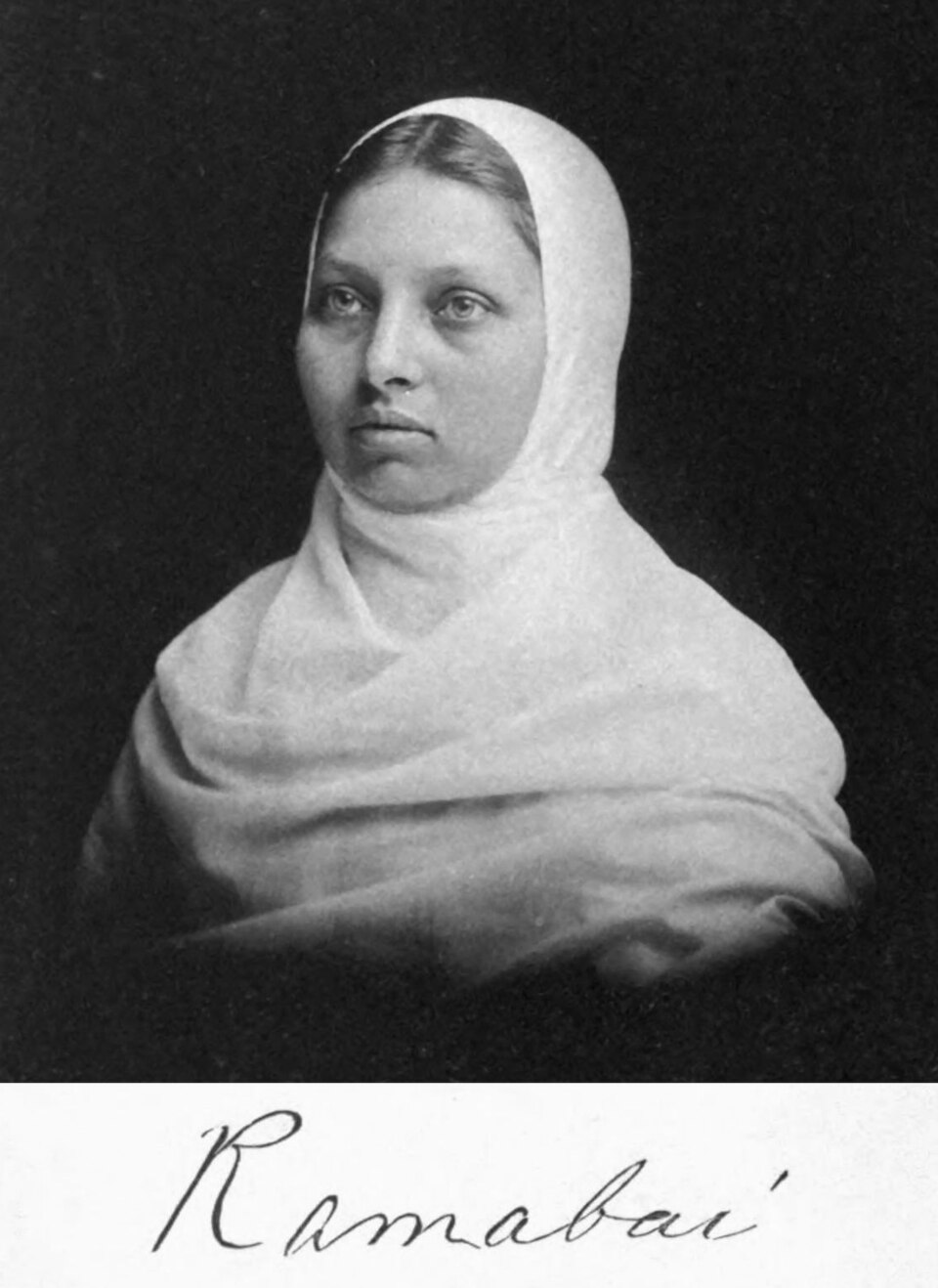
The Mukti Mission. In 1889 Ramabai founded the Mukti Mission in Pune, a refuge for young widows who had been deserted or abused by their families. Her Sharada Sadan gave widows, orphans and the visually challenged housing, education, vocational training and medical care. The Mukti Mission is still active today.
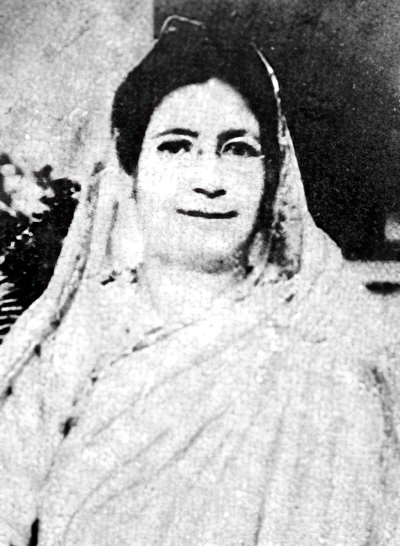
Across India. Women reformers worked in every region. Besides Pandita Ramabai in the west, there was Sister Subbalakshmi in Madras and Rokeya Sakhawat Hossain in Bengal. Their presence shows that the women's question was a national one, not a Bengali or Maharashtrian one.
Why does this matter? When women led their own movements, reform changed from charity to self-assertion. These pioneers prepared the way for the many women who later joined public life and the freedom struggle. Many women left purdah and took up jobs as the movement grew.
The challenge of caste
How caste hardened. The caste system was originally based on occupation, but over time it became hereditary. Upper castes controlled how the scriptures were interpreted, while the lower castes were excluded from them. This combination bred superstition and exploitation.
Why reformers opposed it. Most reformers saw caste rigidity as irrational, unscientific and against humanity. Many also argued that it went against the spirit of the Vedas. They saw it as a major hindrance to a democratic and progressive society.
A wide front. Many movements took up the fight against caste rigidity. They included the Brahmo Samaj, Arya Samaj, Prarthana Samaj and Ramakrishna Mission. Individual reformers included Jyotiba Phule, Pandita Ramabai, Sri Narayana Guru, Periyar, Vivekananda and later Mahatma Gandhi.
Two kinds of approach. Movements led by upper-caste reformers usually tried to reform caste from within, for example by opening schools or rejecting untouchability. Leaders such as Phule and Narayana Guru built movements in which the oppressed organised themselves. This second approach would grow much stronger in the 20th century.
Jyotiba and Savitribai Phule
Who was Phule? Jyotirao Govindrao Phule, known as Jyotiba, came from Maharashtra. He worked for equal rights for peasants and the lower castes. He saw caste oppression and the exclusion of women as linked problems.
Teaching his wife first. Phule began at home by educating his wife, Savitribai. Together they then set out to educate women, the lower castes and the masses. In 1848 they opened a school for girls.
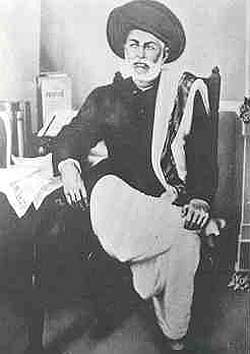
The Poona school. In 1851 Phule started a girls' school in Poona (Pune). Opening a school for girls was a bold step at the time. He also promoted widow remarriage.
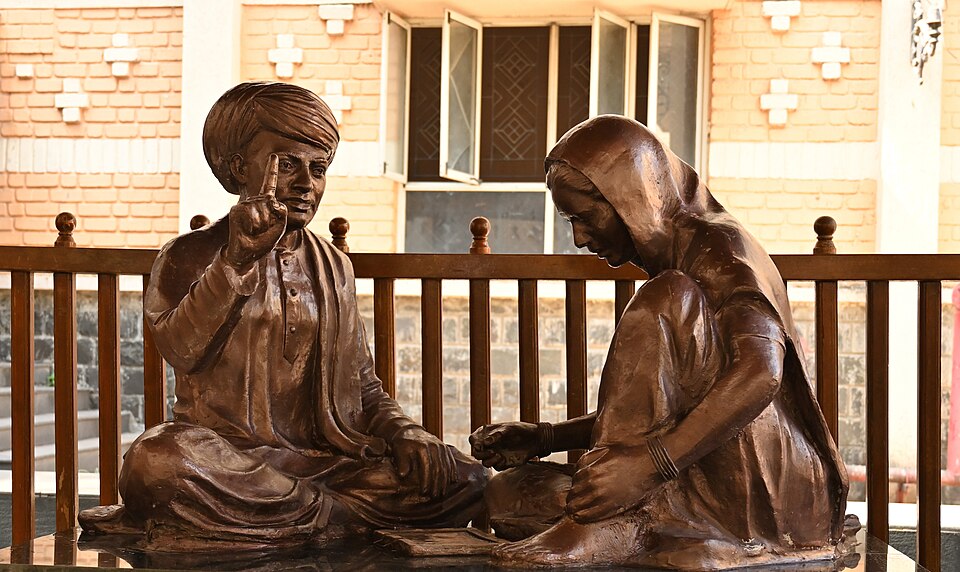
The Satyashodhak Samaj (1873). In September 1873 Phule and his followers formed the Satyashodhak Samaj, the Society of Seekers of Truth. Its aim was to liberate the lower castes and protect them from exploitation and atrocities. It aimed at the lower castes' own liberation, rather than reform carried out on their behalf.
Why does Phule matter? Phule linked caste, gender and economic exploitation in a single critique. He did not ask the upper castes to reform society on behalf of others; he asked the oppressed to organise and educate themselves. That idea made him a forerunner of later movements for social justice.
Sree Narayana Guru and the SNDP Yogam
A temple of his own. In 1888, Sree Narayana Guru consecrated a Shiva idol at Aruvippuram in Kerala. At a time when many castes were kept out of temples, this was a bold claim to the right to worship. He went on to consecrate idols and found temples in Kerala, Tamil Nadu and Karnataka.
The SNDP Yogam (1903). On 15 May 1903, Narayana Guru founded the Sree Narayana Dharma Paripalana (SNDP) Yogam. It gave his followers an organisation through which to work for their uplift. His mantra is rendered as education, organisation and industry, which captures the movement's practical spirit.
One caste, one religion, one God. Narayana Guru's best-known teaching is "One Caste, One Religion, One God for Man." He supported inter-caste marriage and inter-dining and officiated at several inter-caste marriages. He also made spirituality a means of social reform and social welfare.
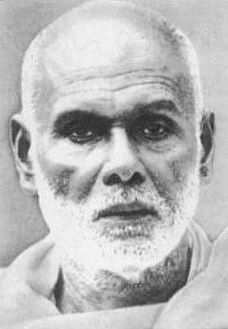
Meeting Gandhi. On 12 March 1925, Mahatma Gandhi visited Narayana Guru at Sivagiri. They discussed the Vaikom Satyagraha, the abolition of untouchability, religious conversions and the uplift of the downtrodden. The meeting shows how the reform movements and the national movement had begun to meet.
Why does this matter? Narayana Guru showed that the excluded could claim religion rather than reject it. By building temples, schools and an organisation, he gave his community dignity and self-reliance. His model of reform through education and organisation influenced many later movements in south India.
Into the 20th century: Ambedkar and the national movement
Dr B.R. Ambedkar. B.R. Ambedkar was born into a poor Mahar family, a caste then considered untouchable. Despite great obstacles, he earned degrees and doctorates from Columbia University and the London School of Economics. He went on to chair the Drafting Committee of the Indian Constitution, and he was awarded the Bharat Ratna posthumously in 1990.
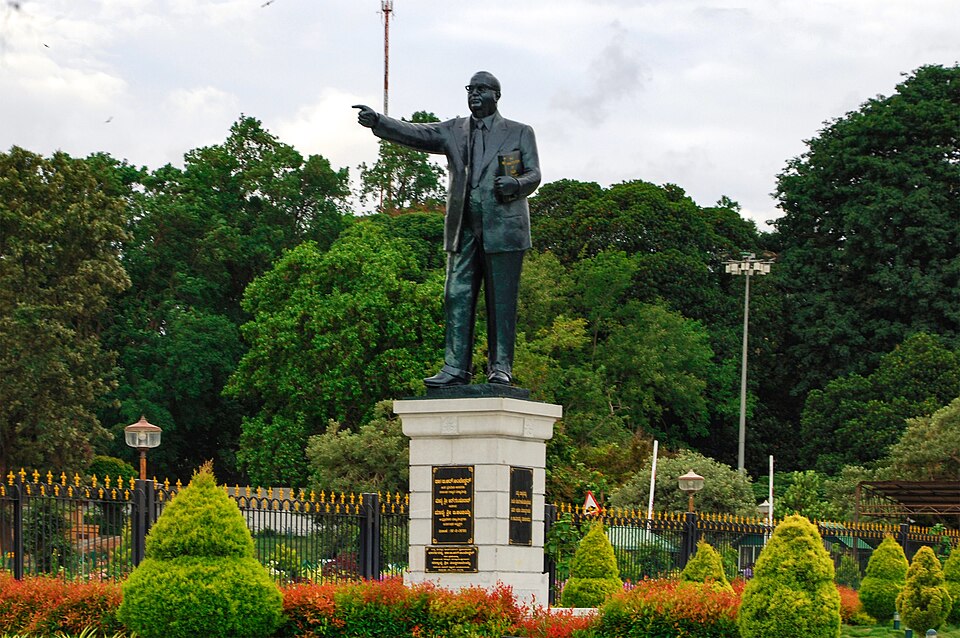
Why his story matters here. Ambedkar's life shows what education could do for those whom caste had shut out. The reformers of the 19th century had argued for exactly this. In the 20th century, leaders such as Ambedkar and Periyar carried the fight against caste much further.
The national movement takes over. After 1919, the Indian National Movement became the main promoter of social reform. It spread its message through Indian languages, novels, drama, poetry and the press, and later through cinema. Gandhi in particular made the fight against untouchability part of the freedom struggle.
From reform to rights. The idea that people must not suffer discrimination because of caste or sex later became part of the Constitution. In this sense, the long struggle of the reformers found its way into the basic law of independent India. How it was written belongs to the story of the Constitution.
Quick revision
- Laws: sati 1829; widow remarriage 1856; minimum age for girls ten (1860); inter-caste marriage 1872; Sharda Act 1929 (girls 14, boys 18).
- Jyotiba and Savitribai Phule: girls' school 1848; Poona girls' school 1851; Satyashodhak Samaj, September 1873.
- Pandita Ramabai: Arya Mahila Samaj (Pune, 1881); Mukti Mission (Pune, 1889); Sharada Sadan.
- Other women reformers: Sister Subbalakshmi (Madras), Rokeya Sakhawat Hossain (Bengal).
- Sree Narayana Guru: Aruvippuram 1888; SNDP Yogam, 15 May 1903; "One Caste, One Religion, One God for Man".
- Gandhi at Sivagiri, 12 March 1925: Vaikom Satyagraha and untouchability discussed.
- B.R. Ambedkar: Mahar family; Columbia and LSE; chaired the Drafting Committee; Bharat Ratna 1990.