

MPPSC State Forest Service · Module 42 · standard depth · 13 min
GM crops and biosafety
What MPPSC State Forest Service asks from this chapter
Syllabus lines this chapter covers:
- Prelims Paper I: General Studies (shared with the State Service Exam) · Science, environment and health
MPPSC State Forest Service questions from this module are being sorted into our bank.
Cut to standard depth for MPPSC State Forest Service. 8 deeper paragraphs are in the full chapter.
Start from zero: what makes a crop "GM"
For thousands of years, farmers improved crops by choosing the best seeds and crossing good plants. This works, but it is slow, and it can only mix genes from plants that can breed with each other. A wheat plant cannot borrow a useful gene from a bacterium this way.
A genetically modified (GM) crop, also called a transgenic crop, is a plant into which a gene from another organism has been inserted using the tools of genetic engineering. The new gene gives the plant a trait it could not get by normal breeding. Examples include protection from insects, tolerance to weed-killers, or extra nutrients.
GM crops are among the most debated topics in Indian agriculture. Supporters see higher yields and fewer pesticide sprays, while critics worry about safety, nature and farmers' dependence on seed companies. This chapter explains the science, India's experience with Bt cotton, the rules that govern GM crops, and the debate around GM mustard.
Bt cotton: India's only approved GM crop
The problem it solved. Cotton in India was badly attacked by the bollworm, a caterpillar that eats into the cotton boll. Farmers sprayed large amounts of insecticide, which was costly and harmful to health and nature. Pests also became resistant to many sprays.
How Bt cotton works. "Bt" comes from Bacillus thuringiensis, a soil bacterium that makes a protein harmful to certain caterpillars. Scientists moved the gene for this protein into cotton. When a bollworm feeds on the plant, it takes in the protein and stops feeding, so the plant protects itself.
When and how much. Bt cotton was approved for commercial cultivation in 2002 by the Genetic Engineering Appraisal Committee (GEAC). It remains the only GM crop approved for commercial cultivation in India. Today it covers more than 96% of India's cotton area.
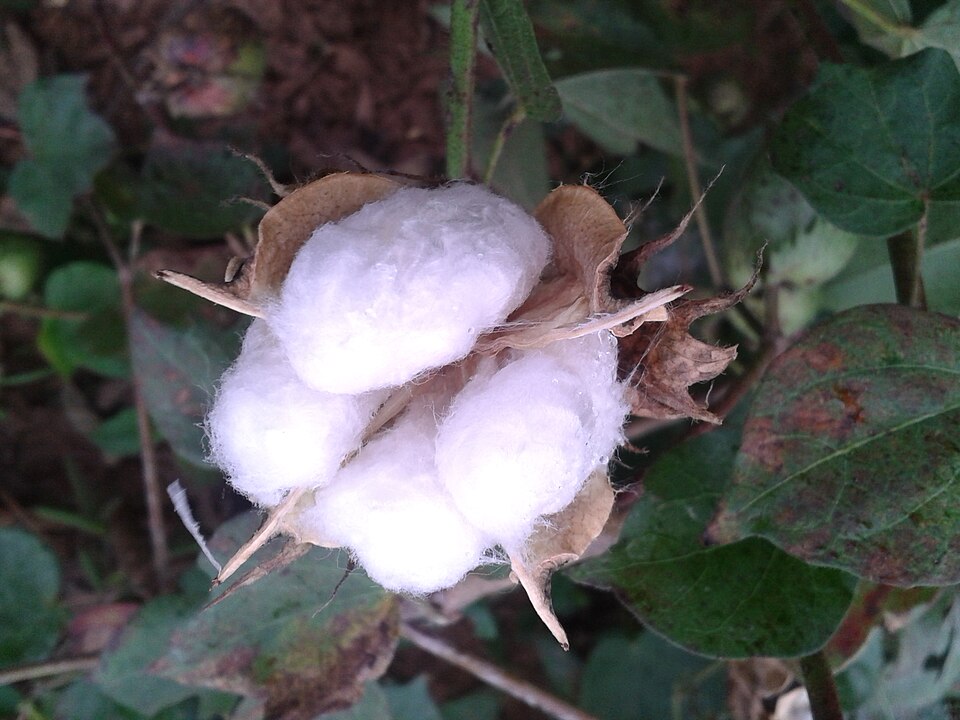
What studies found. A study by ICAR's Central Institute for Cotton Research in Maharashtra, during 2012-14, found that bollworm attacks fell sharply and insecticide sprays fell from eight to four. Yields rose by 3–4 quintals per acre, and incomes rose from both higher yields and lower spray costs. ICAR studies also found no harmful effect on soil.
The limits. Insects can adapt over time, so any single pest-protection trait may lose strength unless it is managed well. Seed costs and the need to buy fresh hybrid seed every year also burden small farmers. These lessons shape today's debate on new GM crops.
Bt brinjal and illegal GM crops
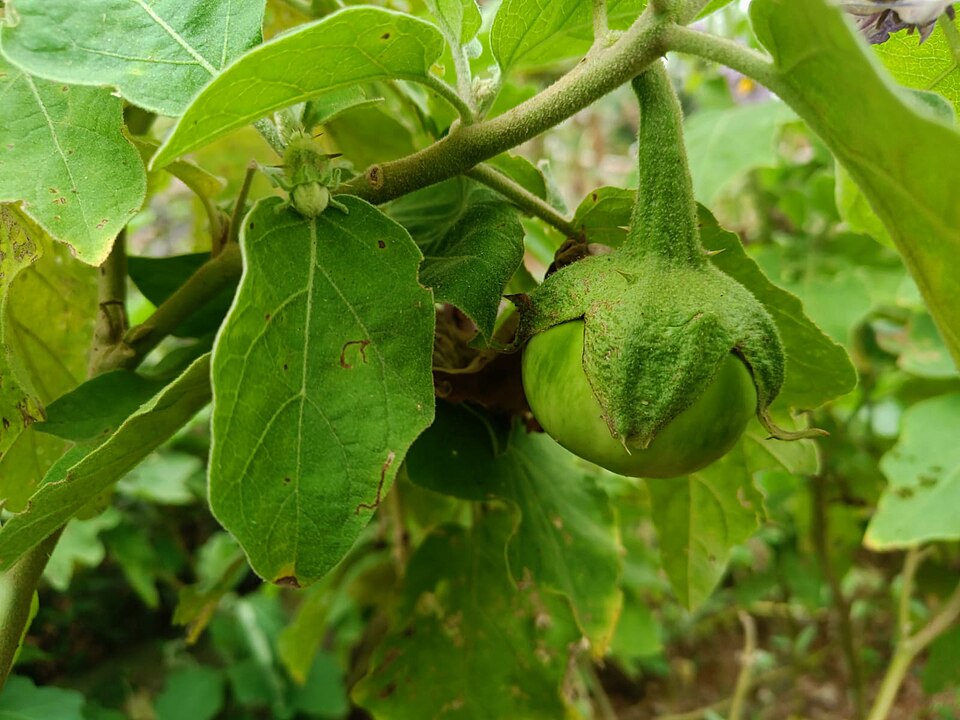
After Bt cotton, the next big candidate was a food crop. Bt brinjal was designed to resist the brinjal shoot and fruit borer, a pest that forces farmers to spray very often. Because brinjal is eaten daily, the debate became much more heated than for cotton.
What happened. Bt brinjal was approved by GEAC in 2009. But its release was then stopped by a moratorium, a deliberate pause to allow more study and public consultation. As a result, Bt brinjal has not been commercialised in India.
Newer work. Research has not stopped. GEAC allowed biosafety research field trials of two new Bt brinjal varieties, Janak and BSS-793, developed by ICAR, in eight states during 2020-23, after the states gave no-objection certificates. Trials are not the same as approval for farmers.
Illegal cultivation. Growing any unapproved GM crop is banned in India. Yet suspected illegal planting of Bt brinjal and herbicide-tolerant (HT) cotton has been reported from several states. Illegal seed avoids safety checks, may be of poor quality, and leaves farmers with no legal protection if crops fail.
Who approves GM crops: India's regulatory ladder
Because GM crops can spread in nature and enter the food chain, India checks them at several levels. Each level looks at a different stage, from the lab bench to the farmer's field. Exams often test which body sits under which ministry.
The legal base. All GM work falls under the Rules of 1989, framed under the Environment (Protection) Act, 1986. Their full name refers to the manufacture, use, import, export and storage of hazardous micro-organisms and genetically engineered organisms or cells. Guidelines added over the years cover recombinant DNA safety (1990), research in transgenic plants (1998), institutional committees (2011) and environmental risk assessment (2016).
The ladder of committees.
- Institutional Biosafety Committee (IBSC): set up in each research institution to oversee its own GM work.
- Review Committee on Genetic Manipulation (RCGM): under the Department of Biotechnology (DBT), it reviews research and confined field trials.
- Genetic Engineering Appraisal Committee (GEAC): under the Ministry of Environment, Forest and Climate Change (MoEFCC), it is the statutory body whose clearance is mandatory for releasing any GM crop into the environment.
Monitoring on the ground. State Biotechnology Coordination Committees (SBCC), chaired by the state's Chief Secretary, and District Level Committees watch for illegal cultivation and enforce the rules. Confined field trials also need a no-objection certificate (NOC) from the state government, because agriculture is a state subject.
International rules. The Cartagena Protocol on Biosafety is a global agreement on the safe movement of living modified organisms between countries. On 29 October 2014, India's Cabinet approved ratifying its Nagoya–Kuala Lumpur Supplementary Protocol, which deals with liability and compensation if such organisms cause damage.
GM mustard: the debate over DMH-11
Why India wants better mustard. India depends heavily on imported edible oil. In 2021-22, it spent ₹1,56,800 crore to import 14.1 million tonnes of edible oil, about two-thirds of what it consumes. Mustard is a key oilseed, so higher-yielding mustard varieties could help cut imports.
Why hybrids are hard in mustard. Hybrids, made by crossing two different parent lines, usually give higher yields. But mustard flowers pollinate themselves, which makes producing hybrid seed difficult. Scientists used a genetic system to solve this.
The barnase–barstar system. One parent line carries the barnase gene, which makes it male-sterile, so it cannot pollinate itself. The other parent carries barstar, which blocks barnase and restores fertility in the hybrid. A third gene, bar, gives tolerance to a weed-killer and is used to select the right plants during hybrid seed production only, not in farmers' fields.
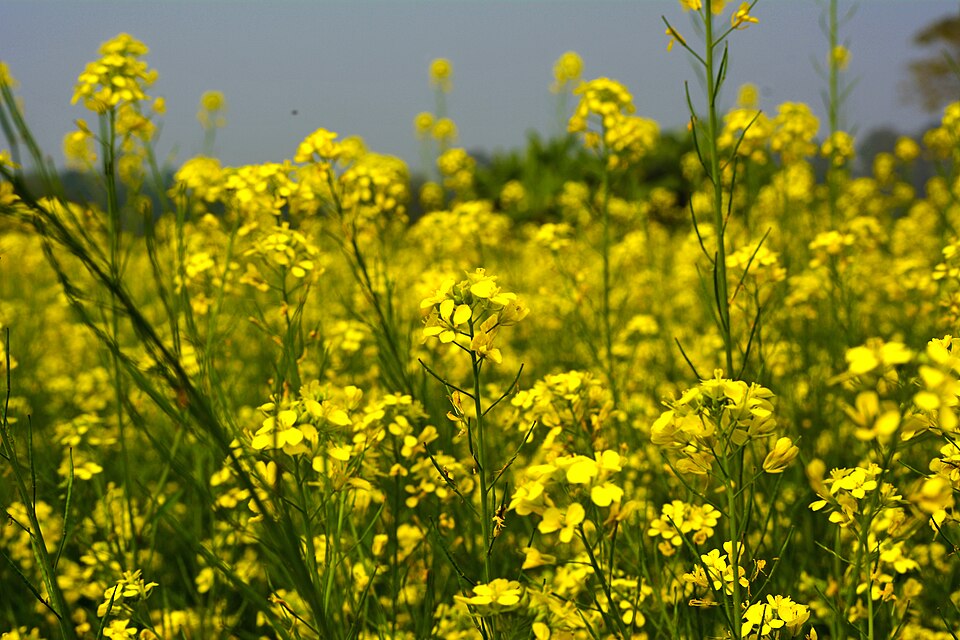
The approval. DMH-11 (Dhara Mustard Hybrid-11) was developed by the Centre for Genetic Manipulation of Crop Plants, University of Delhi South Campus. In trials, it gave about 28% more yield than the national check variety Varuna. At its 147th meeting on 18 October 2022, GEAC approved the environmental release of DMH-11 and its parent lines, with conditions.
Where it stands. GEAC asked the developers to collect data on effects on honeybees and pollinators during the first two years. Field trials had found bee visits to GM lines similar to non-GM lines. The question of GM mustard's environmental release is under adjudication before the Supreme Court, so it is not yet being grown commercially.
The GM debate: gains, risks and India's choices
We have seen India's experience with cotton, brinjal and mustard. The wider debate turns on a few key questions. A balanced answer presents both sides fairly.
The case for GM crops.
- Higher yields can raise farm incomes and reduce imports, such as edible oil.
- Fewer pesticide sprays can lower costs and protect farmers' health.
- Traits for hard conditions, such as drought or salt tolerance, can help farmers face climate change.
The case against GM crops.
- Gene flow: genes can pass to wild relatives, possibly creating "superweeds" that resist weed-killers.
- Pest resistance: insects can adapt over time, so a pest-protection trait may weaken if it is not managed well.
- Food safety concerns: critics worry about unexpected proteins in food plants, which calls for careful testing.
- Farmer dependence: costly patented seed may make small farmers dependent on a few companies.
Where genome editing fits. As the previous chapter showed, SDN-1 and SDN-2 genome editing adds no foreign DNA. India approved these edits under lighter rules, which may let it gain many benefits of new crop traits while avoiding some GM concerns.
What a good policy needs. Decisions should rest on sound science, tested case by case. Clear labelling, strong monitoring against illegal seed, public research that keeps seeds affordable, and honest public dialogue all build trust.
Implications for farmers, food and federalism
The GM question touches more than science. It affects farm incomes, consumer rights, and relations between the Centre and states. UPSC answers gain marks by showing these links.
1. Farmers' incomes and debt. A good GM crop can raise incomes, but failures can deepen debt if seed is costly. This is why seed pricing, quality control and crop insurance matter as much as the technology.
2. Food security and imports. India's heavy dependence on imported edible oil shows the strategic value of higher-yielding oilseeds. Self-reliance in food reduces exposure to global price shocks.
3. Centre and states. Approval is central, through GEAC, but agriculture is a state subject. States issue NOCs for field trials and police illegal cultivation through SBCCs and district committees, so cooperation between both levels is essential.
4. Courts and public trust. Many GM decisions have reached the Supreme Court, showing low public trust. Transparent data, independent testing and clear communication can reduce conflict.
Previous years' questions
This section shows the real past questions on this chapter for the exam you have chosen. Each question is copied word for word from the official paper, with the year and paper, so that you can see how the topic is actually asked.
Questions are being collected from the official UPSC and BPSC papers. They will appear here once each one is checked against the original paper.
Quick revision
- A GM (transgenic) crop carries a gene from another organism. Bt comes from the bacterium Bacillus thuringiensis.
- Bt cotton was approved in 2002, is the only commercial GM crop, and covers 96%+ of the cotton area. Sprays fell from eight to four in an ICAR study.
- Bt brinjal was approved by GEAC in 2009, then put under a moratorium. Unapproved GM crops are banned.
- The regulators are IBSC, RCGM (DBT) and GEAC (MoEFCC), with SBCC and district committees, under the 1989 Rules (EPA 1986).
- DMH-11 GM mustard (University of Delhi) got GEAC's nod on 18 Oct 2022 and is now before the Supreme Court. It uses barnase–barstar.
- In 2021-22, India imported 14.1 mt of edible oil (₹1,56,800 crore, about two-thirds of use). The Nagoya–KL protocol was approved in 2014.