

MPPSC SSE (State Service) · Module 46 · Mains depth · 19 min
Soil, noise, light and radioactive pollution
What MPPSC SSE (State Service) asks from this chapter
Syllabus lines this chapter covers:
- Prelims Paper I: General Studies · Science, environment and health
MPPSC SSE (State Service) has asked 3 questions from this chapter (2024, 2019); 30 from its whole module.
Read at full depth: basics, the standard layer and the Mains analysis.
Start from zero: pollution beyond smoke and sewage
When people think of pollution, they usually picture a smoking chimney or a dirty river. But the ground we grow food on can be poisoned too. So can the quiet of the night, the darkness of the sky and even the invisible energy around us.
Soil is the thin skin of the land, only about 15 cm of fertile topsoil in many places, yet nearly all our food grows in it. Once it is eroded or poisoned, it can take a very long time to recover. Noise, light and radiation are different: they are forms of energy, not substances, but they can still harm health.
These kinds of pollution often get less attention because they are harder to see or smell. Yet a farmer's falling yield, a child's damaged hearing or a cancer near a waste site can all trace back to them. Understanding them completes the picture of how human activity affects the environment.
This chapter explains how soil is degraded and polluted, how pesticides travel, and what noise does to us. It then covers light pollution and radioactive pollution, with a link to thermal pollution of water.
How we degrade and pollute soil
Three ways of harm. Humans damage land by using it for farming and development, by taking things out of it through mining and deforestation, and by putting things into it as waste. Each route weakens the soil in a different way. Together they threaten the land's ability to feed people.
Erosion. Wind and water remove the fertile topsoil, but they can do serious damage only when the land loses its plant cover. Eroded soil lowers fertility where it leaves and causes silting of rivers and reservoirs where it settles. This links soil loss directly to floods and to shrinking dam capacity.
Acidity and alkalinity. Too much acid or alkali lowers soil fertility and suits fewer crops. In dry areas with low rainfall, salts and alkaline compounds such as calcium carbonate collect near the surface. Wrong farming practices, such as over-irrigation without drainage, make this worse.
Waste on land. The land has become an ultimate garbage can, with most solid waste in India dumped or buried. When rain water seeps through garbage dumps and landfills, it carries harmful substances into the soil and groundwater, a process called leaching. Open dumps also breed rats and flies and often burn, adding smoke to the air.
Loss of life in the soil. Clearing forests and natural land for farms and towns destroys habitats for plants and animals. Soil itself is full of living organisms, such as earthworms, fungi and bacteria, that keep it fertile. Chemicals and erosion kill this hidden life too.
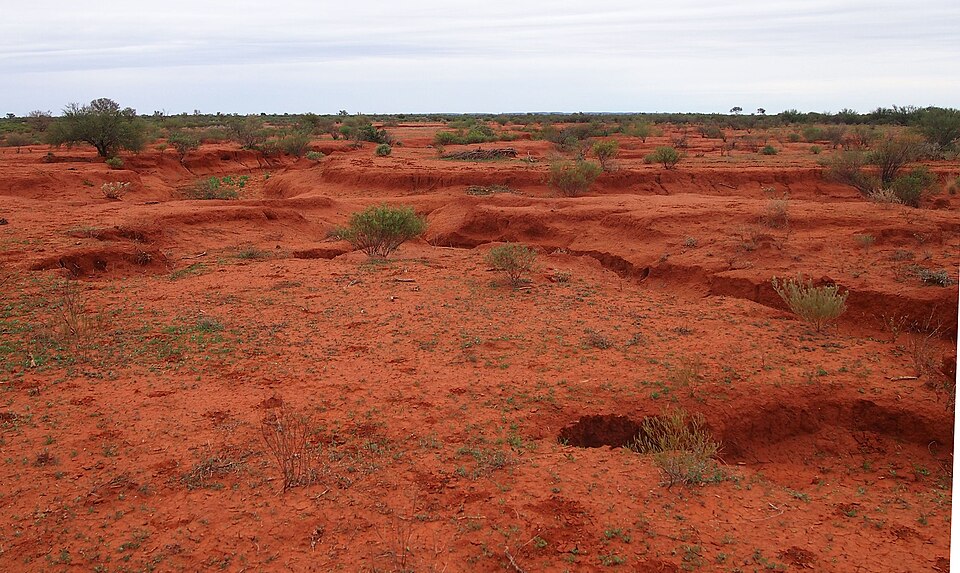
Healing the soil. Soil can recover when it is protected and fed. Keeping the ground covered with plants or crop residue, planting trees along field edges and building small check dams slow erosion. Using fertilisers in balance, adding organic manure and rotating crops restore fertility and the life in the soil.
The journey of a pesticide
Why pesticides are used. Farmers spray pesticides to kill insects, weeds and fungi that damage crops. They have helped raise yields and protect food supplies. But many of them do not stay where they are sprayed.
A round trip through the environment. Spraying and evaporation carry pesticides into the air. Rain brings them back to the soil and to ponds and rivers, and runoff from fields adds more. When that water is used for irrigation, the chemicals return to the fields, completing a loop.
Into the food chain. Persistent pesticides, such as DDT, do not break down easily and are stored in body fat. They bioaccumulate in organisms that take them in, and biomagnify at each step up the food chain. So birds of prey and fish-eating animals carry the highest loads, and so can humans who eat contaminated food.
What it means for farming. This is why governments ban or restrict the most persistent chemicals and promote integrated pest management, which combines natural enemies of pests, crop rotation and careful, minimal spraying. Organic and natural farming aim to cut chemical use further. The goal is to protect crops without poisoning the soil, water and people.
Noise: when sound becomes pollution
What noise is. Sound is how we communicate, but noise is sound that is unwanted or too loud. It can annoy, cause stress or damage hearing. Main sources include industry, vehicles, trains, aircraft, construction, loudspeakers and firecrackers.
How it is measured. Loudness is measured in decibels (dB) with a decibel meter. The scale is not ordinary counting: a tenfold increase in sound intensity adds 10 dB. Since high-pitched sound annoys more than low-pitched sound of the same intensity, a weighted unit, dB(A), accounts for pitch as well.
What it does to us. Constant loud noise can cause permanent hearing loss. It is also linked to high blood pressure, migraine, irritability, sleeplessness, stomach ulcers and aggressive behaviour. It disturbs study, work and rest, and harms wildlife that depends on sound to find mates or prey.
How it is controlled. There are three points of control: reduce noise at the source, for example with quieter machines and silencers; block its path, with walls, trees and insulation; and protect the receiver, with earplugs and earmuffs. Rules under the Environment (Protection) Act set day and night limits for different areas. During one Deepawali, monitoring in Delhi and Mumbai found noise far above the 45 dB(A) night limit for residential areas.
Why it gets less attention. Noise leaves no visible trace and fades when the source stops. Its harm builds slowly over years. Awareness, such as school campaigns against loud firecrackers, together with enforcement, is needed to control it.
Light pollution: losing the night
What it is. Light pollution is too much, badly aimed or unnecessary artificial light at night. It includes the orange glow over cities, glare from badly designed street lights, and lights left on in empty buildings. In big cities, most people can no longer see the Milky Way.
Why it matters for nature. Life on Earth evolved with a regular cycle of day and night. Bright lights confuse migrating birds, which can crash into lit buildings, and draw insects that die around lamps. Sea turtle hatchlings that should head for the moonlit sea may crawl towards beach lights instead.
Why it matters for people. Light at night can disturb sleep and the body's natural clock. Wasted light also means wasted electricity, which adds to power plant emissions. So light pollution is linked to both health and climate.
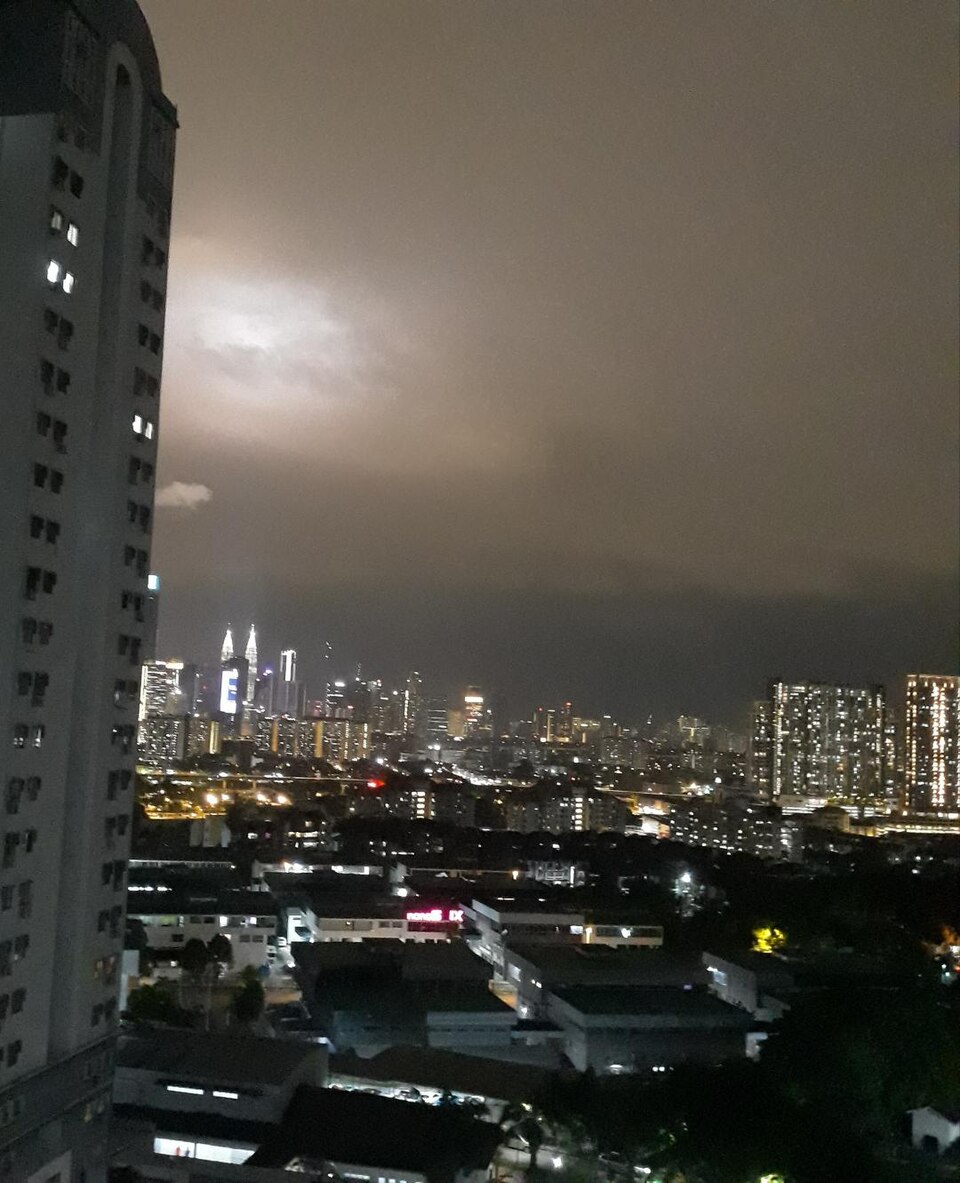
Simple fixes. Shielding street lights to point downwards, using only as much light as needed, and switching off unnecessary lights all help. Warmer-coloured lights tend to disturb wildlife less than very bright white light. Some places protect dark-sky areas for wildlife and stargazing.
Radioactive pollution
What radiation is. Some atoms are unstable and give off ionising radiation as they break down. This radiation can damage living cells and the genetic material inside them. When radioactive substances escape into air, water or soil, we call it radioactive pollution.
Where it comes from. Sources include the mining and processing of radioactive ore such as uranium, the production of nuclear fuel and the running of nuclear power plants. Hospitals and research laboratories that use radioactive materials also produce such waste. Natural sources include radon gas from soil and rocks.
What it does. Radionuclides can enter the food chain through water, soil and plants. Exposure can cause genetic defects, birth defects and cancer. The harm depends on the dose and how long the exposure lasts.
The waste problem. Some nuclear waste stays dangerous for a very long time. Burying it in ordinary landfills or burning it is not safe. Deep underground disposal in stable rock or old mines that meet strict geological criteria is considered the most acceptable option for such waste.
Heat as a pollutant too. Nuclear and coal power plants also release large amounts of waste heat into nearby water. This thermal pollution lowers the oxygen in water, as explained in the chapter on water pollution. So power generation can pollute in more than one way.
Mains lens: three live debates on the quieter pollutions
1. More output from the soil, or a healthier soil? For decades, farm policy rewarded higher yields, and cheap fertiliser, pesticides and free power helped achieve them. The same push also led to soil that is more acidic or alkaline in places, falling fertility and chemicals that reach groundwater. So the question is whether to keep pushing output or to rebuild the soil first.
One side warns that any cut in chemical use could lower harvests and hurt food security. The other side argues that tired soil is itself the biggest threat to future harvests. A balanced answer supports soil testing, balanced nutrients, organic matter and crop rotation, so that yields hold while the soil recovers.
2. Is noise a nuisance or a health hazard? Many people treat noise as a matter of manners, like a loud neighbour. Yet the science shows that long exposure causes hearing loss, stress, high blood pressure and poor sleep. Because a tenfold rise in sound intensity adds only 10 decibels, a small-looking number can hide a large jump in harm.
The debate is about how to control it. Bans on loudspeakers and horns at night are easy to announce but hard to enforce. Better results come from planning at all three points: quieter engines and machines at the source, walls, trees and road design along the path, and protection for workers and hospitals at the receiver.
3. Nuclear power: clean air but long-lived waste? Nuclear plants produce electricity without the smoke of coal, which helps both clean air and climate goals. But they create radioactive waste that stays dangerous for a very long time, and radionuclides can cause cancer and genetic damage if they enter the food chain. Mining and processing of the ore also leave waste behind.
Supporters say that strict design, monitoring and deep underground disposal can keep the risk small. Critics ask who will guard the waste for generations and how local people will be heard. In Mains, weigh both sides and stress safety culture, transparency and community trust as the conditions for any expansion.
Why it matters: These pollutions are quiet because they do not smell or look dirty, so they get less public attention. Mains questions often ask you to show why an "invisible" problem deserves policy action, and these debates give you that reasoning.
Mains lens: two kinds of questions and how to answer them
Type 1: "Discuss the threat" (a hidden problem). Example: "Soil degradation is a quiet threat to India's food security. Discuss."
- Intro: Explain that people degrade land by using it, by taking things out of it and by putting waste into it.
- Body, how it happens: Describe erosion, salt and acid build-up, loss of organic matter, and leachate from dumps that carries poisons into soil and groundwater.
- Body, why it threatens food: Show that weaker soil needs ever more fertiliser for the same harvest, and that persistent pesticides can bioaccumulate in the food we eat.
- Body, way forward: Suggest soil testing, balanced fertiliser, organic manure, contour bunds, crop rotation and an end to open dumping.
- Conclusion: Conclude that healthy soil is the base of food security, so protecting it is a farm policy and not just an environmental one.
Type 2: "Examine the challenge and suggest measures" (urban health). Example: "Noise pollution is an under-recognised health hazard in Indian cities. Examine."
- Intro: Define noise as unwanted or excessive sound measured in decibels.
- Body, the hazard: List hearing loss, stress, high blood pressure and sleeplessness, and add that traffic police, factory workers and people near highways face the most.
- Body, why it is under-recognised: Explain that the harm builds slowly and that people get used to loud sound, so few complaints are made.
- Body, measures: Organise solutions as source, path and receiver controls, and add awareness and steady enforcement.
- Conclusion: Conclude that quiet is a part of public health, and that cities should plan for it like they plan for clean water.
Linking across papers. Use these points in GS-III (environment, agriculture and energy), GS-II (health) and GS-I (urbanisation). Nuclear waste questions also link to science and technology.
Mains practice: six questions, six angles
These are practice questions we have written, not past papers. Past questions for each exam are in this module's PYQ panel.
| Angle | Question | How to approach |
|---|---|---|
| Soil | "Soil degradation is a quiet threat to India's food security." Discuss. | Explain erosion, salinity, chemicals and waste as causes. Link them to yields and silting, and suggest cover crops and balanced inputs. |
| Farming | How do persistent pesticides move through the environment? Suggest ways to reduce their harm. | Trace the air-soil-water loop and biomagnification. Suggest integrated pest management, bans and farmer training. |
| Health | Noise pollution is an under-recognised health hazard in Indian cities. Examine. | Explain the decibel scale and health effects. Suggest control at source, path and receiver, plus enforcement during festivals. |
| Urban | What is light pollution? Why should urban planning take it into account? | Define it and explain effects on wildlife, sleep and energy use. Suggest shielded lights and dark-sky zones. |
| Energy | Discuss the environmental challenges of nuclear waste management in India. | Explain sources, health risks and why ordinary disposal fails. Discuss deep geological disposal and public trust. |
| Waste | How do open dumps pollute soil and groundwater? What should replace them? | Explain leaching, fires and disease vectors. Suggest segregation, processing and lined sanitary landfills. |
How to use this table: each answer should first explain the what, then give the why from this chapter, and end with a way forward.
Quick revision
- Land degraded by using it, taking out, putting in; erosion (when cover lost), salinity/alkalinity (dry areas), waste → leaching into soil and groundwater.
- Pesticides loop air ↔ soil ↔ water ↔ irrigation; persistent ones bioaccumulate and biomagnify; answer: integrated pest management.
- Noise: unwanted sound; decibel, ×10 intensity = +10 dB; dB(A) adds pitch; effects: hearing loss, BP, insomnia; control at source, path, receiver; residential night limit cited as 45 dB(A).
- Light pollution: artificial light at night; harms migrating birds, insects, turtle hatchlings; wastes electricity.
- Radioactive: ore processing, nuclear plants, hospitals, labs, natural radon; genetic defects, cancer; deep underground disposal for long-lived waste.
- Thermal pollution of water lowers oxygen.
MPPSC SSE (State Service) questions from this chapter
What are the sources of soil pollution?
Bioremediation.
Biomagnification.