

MPSC Rajyaseva · Module 9 · Mains depth · 21 min
Reform across India: Arya Samaj, Ramakrishna-Vivekananda, Aligarh, Theosophy and others
What MPSC Rajyaseva asks from this chapter
Syllabus lines this chapter covers:
- Paper I: General Studies · History of India, with special reference to Maharashtra, and the Indian National Movement.
- GS I · Modern Indian history from the mid-eighteenth century; the freedom struggle and its contributors from Maharashtra.
MPSC Rajyaseva questions from this module are being sorted into our bank.
Read at full depth: basics, the standard layer and the Mains analysis.
Start from zero: reform or revival?
Imagine you believe your community has gone wrong somewhere. You could argue that it should move forward and adopt new ideas, such as modern science and English education. Or you could argue that it should go back to a purer, older form of its own faith, before later customs crept in.
Reformers across India in the second half of the 19th century chose different mixes of these two paths. Some, like Sayyid Ahmad Khan, pushed their community towards modern education. Others, like Dayanand Saraswati, called for a return to the Vedas, while still attacking caste and child marriage.
What they shared was a sense that Indians must take charge of their own renewal. They built schools, colleges, missions and societies, and many of these institutions still exist. They also gave educated Indians a new pride and confidence.
This chapter tours these movements region by region and community by community. Keep one question in mind as you read. How did movements that began as religious reform end up shaping Indian nationalism, for good and for ill?
Key milestones at a glance
This table lists the main reform organisations outside Bengal. Each one is explained in this chapter.
| Year | Organisation or event | Founder or leader |
|---|---|---|
| 1851 | Rahnumai Mazdayasnan Sabha, Bombay | Parsi reformers incl. Dadabhai Naoroji |
| 1867 | Prarthana Samaj, Bombay | Atmaram Pandurang; M.G. Ranade |
| 1875 | Arya Samaj, Bombay; Satyarth Prakash | Dayanand Saraswati |
| 1875 | Mohammedan Anglo-Oriental College, Aligarh | Sayyid Ahmad Khan |
| 1886 | DAV society, Lahore; MAO Educational Conference | Lala Hansraj; Sayyid Ahmad Khan |
| 1892 | Khalsa College, Amritsar | Singh Sabha reformers |
| 1897 | Ramakrishna Mission, Math at Belur | Swami Vivekananda |
| 1902 | Gurukul Kangri, Haridwar | Munshi Ram (Swami Shraddhanand) |
| 1907 | Annie Besant becomes President of the Theosophical Society | Annie Besant |
Notice two things. Almost every movement put education at its heart, by founding schools and colleges. And the movements were usually rooted in one community and one region, which shaped both their strength and their limits.
Western India and the Prarthana Samaj
Early stirrings. In western India, scholars such as K.T. Telang, V.N. Mandalik and R.G. Bhandarkar glorified India's past. Reformers such as Karsondas Mulji and Dadoba Pandurang attacked caste and promoted widow remarriage. They founded the Manav Dharma Sabha in 1844 and the Paramhansa Mandali in 1849.
A secret society. The Paramhansa Mandali worked in secret, and its members pledged to abandon caste distinctions. Secrecy shows how risky it was to break caste rules openly at that time. The Mandali declined after 1860 as its secrecy was lost.
The Prarthana Samaj (1867). Keshab Chandra Sen's visits to Bombay inspired Atmaram Pandurang to found the Prarthana Samaj in 1867. Its real driving force was M.G. Ranade. It favoured worship of one God and opposed idolatry, priestly domination and caste rigidity.
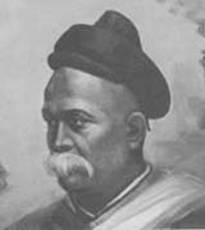
Its social programme. The Samaj worked to end child marriage and the shaving of widows' heads, and to reduce the heavy cost of marriages. It promoted women's education and widow remarriage. Unlike the Brahmo Samaj, it drew inspiration from the Maratha Bhakti saints, which gave it local roots.
Ranade's wider role. Ranade also established the Poona Sarvajanik Sabha. He helped introduce vernacular languages into the university curriculum, which made higher education more accessible. He was a founding member of the Indian National Congress, which shows how reform and politics overlapped.
Dayanand Saraswati and the Arya Samaj
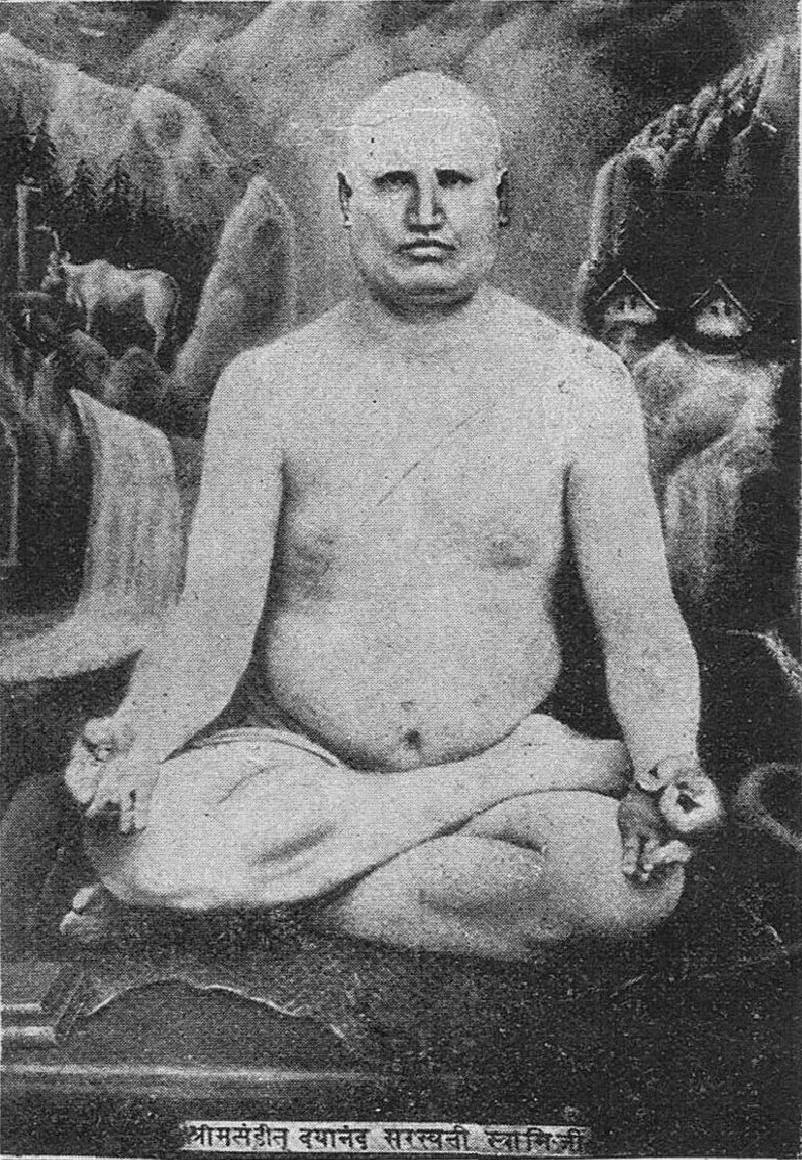
The most profound movement. The Arya Samaj is described as the most profound reform movement of the late 19th century. It began in western India and Punjab and spread across much of the Hindi heartland. Its founder was Dayanand Saraswati (1824-83).
Founding. In 1875 Dayanand wrote his most important book, Satyarth Prakash, and founded the Bombay Arya Samaj. The Lahore Arya Samaj followed in 1877, and Lahore became the movement's centre. Dayanand preached in Hindi, which carried his ideas to ordinary people in north India.
Back to the Vedas. Dayanand treated the Vedas as infallible and the foundation of all knowledge. He attacked the Puranas, polytheism, idolatry and priestly domination. He held that every person had the right of direct access to God, without a priest in between.
A social reformer too. Dayanand opposed child marriage and worked to improve the status of women. He fought untouchability and the multiplicity of castes, which he believed pushed Hindus to convert to Christianity and Islam. To bring back those who had converted, he began the shuddhi (purification) movement.
Two schools after Dayanand. After Dayanand's death in 1883, the Dayanand Anglo Vedic (DAV) Trust and Management Society was founded in Lahore in 1886, with Lala Hansraj as principal of its school. DAV institutions taught English and modern science alongside Sanskrit and Vedic learning. A militant wing led by Munshi Ram wanted education centred on Sanskrit and the Vedas, with little English.
The split. Control of the DAV society caused a formal split in 1893. Munshi Ram founded the Gurukul at Kangri near Haridwar in 1902 and took the name Swami Shraddhanand. Both wings, however, supported shuddhi, promoted Hindi in Devanagari and campaigned against untouchability.
Why does this matter? The Arya Samaj gave many Hindus self-respect and self-reliance, which fed into the national movement. Yet its stress on reconversion and, in the 1890s, on cow protection also sharpened lines between communities. It is the clearest example of how one movement could be both reformist and revivalist.
Ramakrishna and Vivekananda
Ramakrishna Paramhansa. The movement began with Gadadhar Chatterjee, a priest and ascetic known as Ramakrishna Paramhansa (1836-86). He preached the essential unity of religions, holding that different religions are different paths to the same God. He also stressed the need for a spiritual life and favoured keeping Hindu beliefs and rituals.
Swami Vivekananda. His foremost disciple was Narendra Nath, who became Swami Vivekananda (1863-1902). Vivekananda accepted Ramakrishna as his guru in 1885. He then spread spiritual Hinduism abroad on a tour of America and Europe in 1893-97.
The Ramakrishna Mission (1897). In 1897 Vivekananda founded the Ramakrishna Mission, named after his guru, and a Math at Belur. The Mission joined spiritual life with social service. Vivekananda died in 1902, aged only forty.
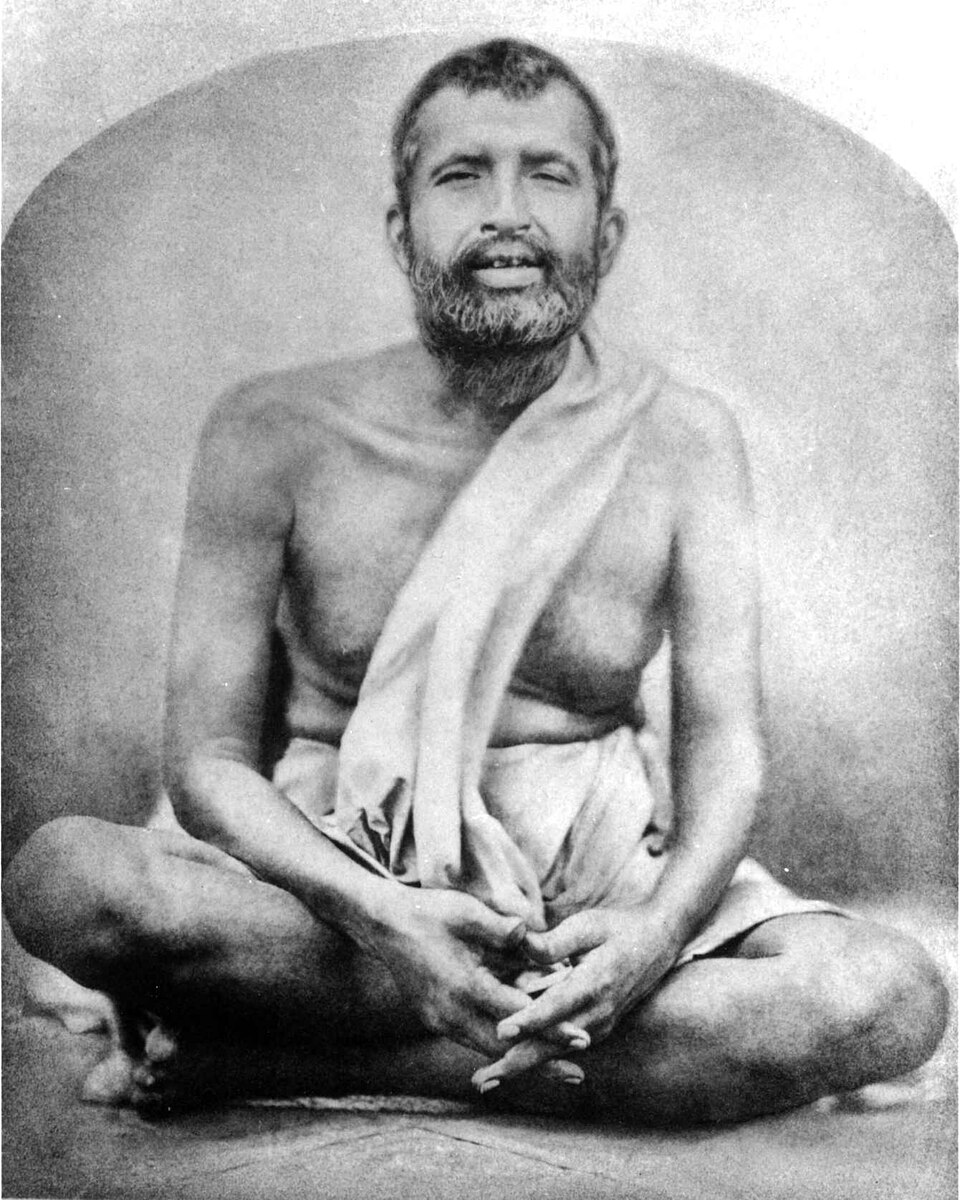
His social message. Vivekananda opposed caste rigidity, untouchability, superstition and outdated customs. He stressed respect for and education of women and gave first importance to removing ignorance. He held that the Indian masses needed secular as well as spiritual knowledge.
East and West. Vivekananda believed Hindus' condition came from ignorance, aided by their being a subject race. He sought the spiritual supremacy of Hinduism over what he saw as the selfish civilisation of the West. Yet he also held that India had to learn work ethics, organisation and technology from the West.
Why does this matter? Vivekananda is described as the first spiritual leader to go beyond religious reform to the needs of the masses. His famous advice, "Believe first in yourself, and then in God," spoke to a people who had lost confidence under foreign rule. This message of self-belief inspired many later nationalists.
The Theosophical Society and Annie Besant
Westerners who praised India. The Theosophical Society was a movement led by Westerners who glorified Indian religion and philosophy. It encouraged Indian languages and literature and preached universal brotherhood. For educated Indians, praise of their culture from Westerners was a powerful boost to self-confidence.
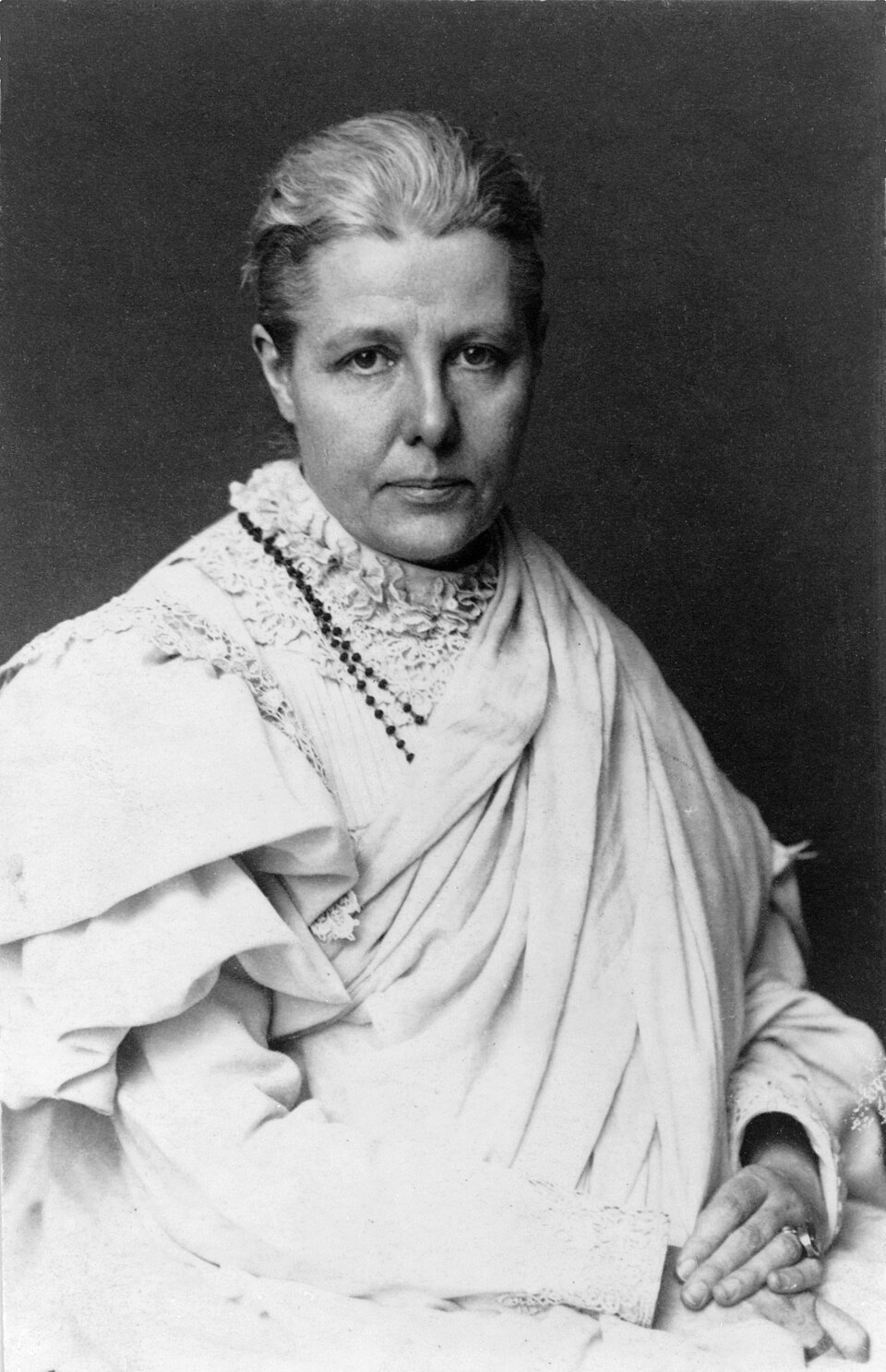
Annie Besant. Annie Besant, a member of the Society, first came to India in 1893. She became President of the Theosophical Society in 1907. She is also remembered for her role in Indian politics.
Central Hindu College. Besant founded the Central Hindu College at Banaras on Theosophical principles. Its students studied religious texts together with modern science, with the aim of building a new leadership. The college became part of Banaras Hindu University from 1917.
Why does this matter? The Theosophical movement helped arouse political awakening and self-confidence among Indians. It showed that India's heritage could be a source of pride rather than shame. That idea fed directly into cultural nationalism.
Reform among Muslims and the Aligarh movement
A sense of loss. Educated Muslims felt a deep loss of power in the 19th century. Rule had passed from the Mughals to the British, and English had replaced Persian as the language of jobs and advancement. Reform among Muslims was shaped by this sense of decline.
Different responses. Some movements called for a return to the purity of Islam, such as the Farazi movement in Bengal, which also took up the peasants' cause, as told in the chapter on uprisings before 1857. The Deoband movement in the United Provinces was concerned with the declining power of the ulema. From the 1830s, Delhi College taught Islamic and English learning side by side, though the crackdown after 1857 ended much of this activity.
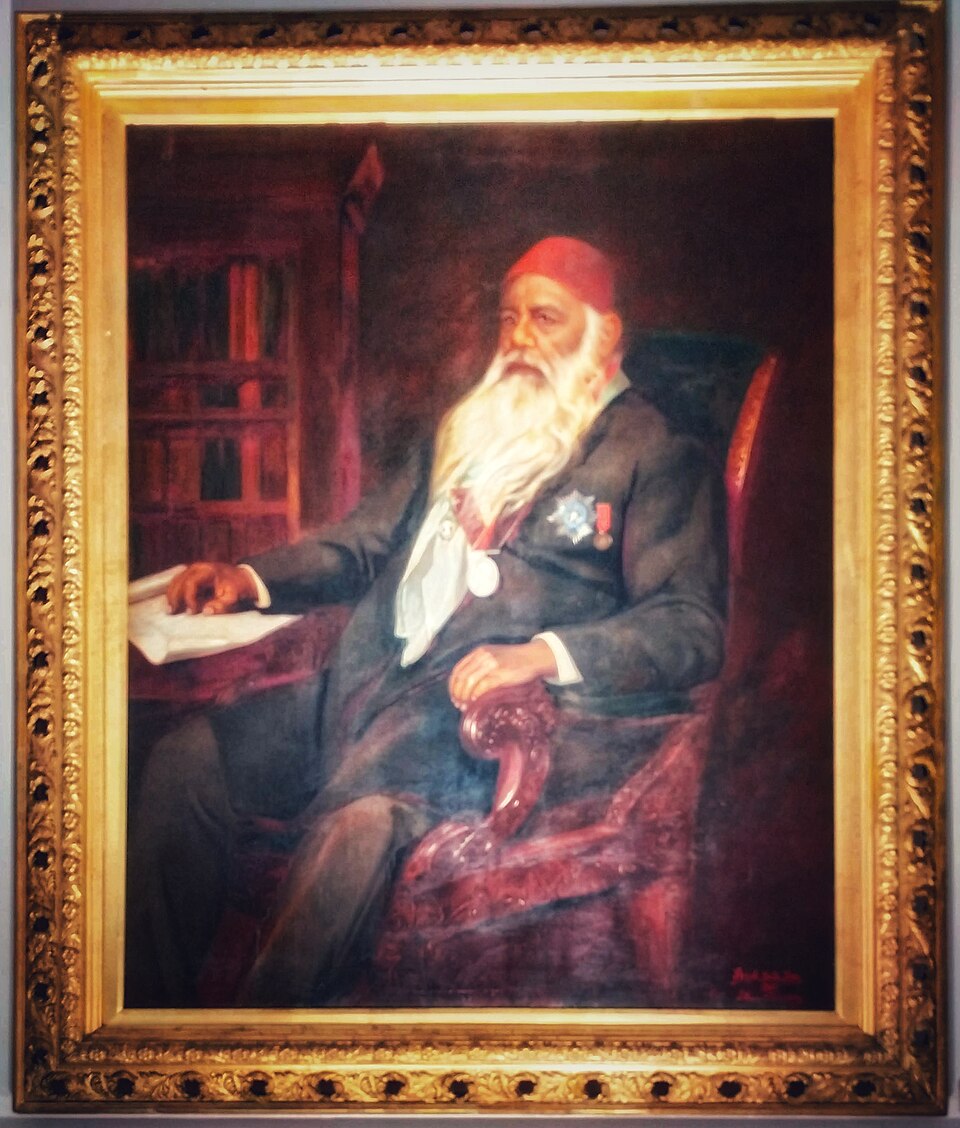
Sayyid Ahmad Khan. Sayyid Ahmad Khan (1817-98) held that modern education was the most important path for Indian Muslims. He called for the study of European science and technology. He argued that there was no fundamental conflict between the Quran and natural science, and he interpreted the Quran in the light of reason.
Religion must move with the times. Sayyid Ahmad Khan held that religious tenets are not immutable. If a religion did not keep step with the times and meet the needs of society, he warned, it would become fossilised, as he felt had happened to Islam in India. He also taught that all prophets shared the same din (faith), though every nation had its own prophets.
A social reformer. Sayyid Ahmad Khan opposed purdah, polygamy, easy divorce and the denial of education to girls. He faced strong opposition from orthodox Muslims. After spending 1869-70 in England, he urged Muslims to adopt its discipline, order and education.
Building institutions. He set up an English school at Ghazipur in 1864 and a scientific society to translate English books. In 1875 he founded the Mohammedan Anglo-Oriental (MAO) College at Aligarh, where classes began in 1878 and non-Muslims were also admitted. In 1886 he started the Mohammedan Anglo-Oriental Educational Conference to spread his ideas.
The Aligarh Movement. These efforts together are called the Aligarh Movement. The MAO College later became Aligarh Muslim University. It gave the community an able modern leadership.
Other efforts. Abdul Latif founded the Mohammedan Literary Society of Calcutta in 1863 to spread modern education among upper and middle-class Muslims. Mirza Ghulam Ahmad of Qadian founded the Ahmadiya movement in the late nineteenth century. It opened schools and colleges and stressed the humanitarian character of Islam.
What the two movements stood for. The Aligarh movement tried to create a new social outlook among Muslims by opposing polygamy, advocating widow marriage and a liberal interpretation of the Quran, and spreading Western education. The Ahmadiya movement opposed jihad, advocated fraternal relations among people and championed Western liberal education. Both were, in their own ways, torch-bearers of a rational and modern outlook among Indian Muslims.
Reform among Sikhs and Parsis
The Singh Sabhas. Sikh religious reform began in the 1870s with two Singh Sabhas, at Amritsar and Lahore. They worked to renew Sikh religious life and learning. Their efforts led to the founding of Khalsa College, Amritsar, in 1892, which promoted Gurmukhi, Sikh learning and Punjabi literature.
The Parsis. Among the Parsis of Bombay, reformers including Naoroji Furdonji, Dadabhai Naoroji and S.S. Bengalee began religious reform in the mid-19th century. In 1851 they founded the Rahnumai Mazdayasnan Sabha (Religious Reform Association). It spread education, especially among girls, and campaigned against orthodox practices.
Why does this matter? These examples show that reform was not limited to Hindus and Muslims. Every major community felt the same pressure to modernise, educate its children and rethink old customs. The Parsis in particular became one of the most progressive sections of Indian society.
Reform, religion and nationalism
Common features. The reform movements were largely regional: the Brahmo Samaj and the Arya Samaj had branches elsewhere but were strongest in Bengal and Punjab respectively. Each was confined to one religion or caste, and caste bodies such as the Kayastha Sabha in UP and the Sarin Sabha in Punjab joined the wave. They also arose at different times, early in the century in Bengal but only towards its end in Kerala.
One aim, many voices. Despite these differences, they shared the aim of regenerating society through social and educational reform. They were socio-religious, not purely religious: Rammohan Roy, Gopal Hari Deshmukh (Lokhitavadi) and Viresalingam in Andhra urged religious reform for "political advantage and social comfort". Keshab Chandra Sen used the idea of the "unity of godhead and brotherhood of mankind" to attack caste.
Two broad approaches. Some movements, such as the Brahmo Samaj, the Prarthana Samaj and the Aligarh movement, stressed reason and modern knowledge. Others, such as the Arya Samaj, looked back to a purer past. Historians often call the first kind reformist and the second revivalist, but most movements mixed both.
Religion as a source of pride. In the late 19th century a religion-based idea of nationalism emerged. Bankim Chandra, Dayanand, Vivekananda and Aurobindo Ghosh saw British rule as Western civilisation trying to dominate Indian civilisation. They held that Indian civilisation was spiritually superior, even though Britain had conquered India.
Vivekananda's view. Vivekananda held that Western ideas had to be remodelled for India. He said that in Europe political ideas form national unity, while in Asia religious ideas form the national unit. Such thinkers drew inspiration from the Vedas, Upanishads and Gita rather than from Western sources.
The gains. The reform movements spread a rational and humanitarian outlook and instilled self-respect and national pride. They built schools and colleges that trained a new generation of leaders. Together they laid the background for the national movement.
From the few to the many on caste. Opposition to caste in the early Brahmo movement was largely theoretical, but the Arya Samaj, the Prarthana Samaj and the Ramakrishna Mission became uncompromising critics of caste. The sharpest attack came from lower-caste movements, such as those of Jotiba Phule and Narayana Guru, which demanded its abolition, as told in the chapter on caste and women. In sum, the movements tried to replace the values of a feudal society with those of a modern one.
The costs. Some movements raised issues that clashed with other communities, and some were openly revivalist. Reconversion campaigns, cow protection and separate educational streams for each community helped sharpen communal divisions. The movements also reached mainly the educated, not the peasants or the urban poor.
A Mains lens. A balanced answer avoids treating these movements as simply progressive or simply communal. It shows how they built confidence and modern institutions, and how some of their methods divided Indians along religious lines. It then links both effects to the later course of the national movement.
Mains practice: reform across India
These are practice questions written by us, not past papers. Past questions from your exam appear in the PYQ panel.
| Angle | Question | Key points to cover |
|---|---|---|
| Features | "The nineteenth-century reform movements were regional and community-bound, yet shared a common vision." Discuss. | Regional spread and different timings; one religion or caste each; socio-religious aims; rationalism and universalism; caste critique; vision absorbed by nationalism. |
| Compare | Compare the approaches of the Arya Samaj and the Aligarh movement to the problems of their communities. | Contrast the return to the Vedas with modern education and science. Then show common ground in schools, social reform and new leadership. |
| Person | "Vivekananda turned religious reform into social service." Discuss. | Cover Ramakrishna's unity of religions and the 1897 Mission. Then add caste, women, secular knowledge and self-belief. |
| Debate | "The 19th-century reform movements strengthened nationalism but also sowed the seeds of communalism." Critically examine. | Show self-respect, institutions and religious nationalism. Then weigh shuddhi, cow protection and community-based streams. |
| Concept | Distinguish between reformist and revivalist movements with examples. | Define both, then place the Brahmo, Prarthana, Aligarh and Arya Samaj. End by noting that most mixed both. |
How to use this table: each answer should explain the what, then the why, and end with what it led to.
Quick revision
- Paramhansa Mandali (1849): secret pledge to abandon caste.
- Prarthana Samaj (1867, Bombay): Atmaram Pandurang; M.G. Ranade; drew on the Maratha Bhakti saints.
- Arya Samaj: Dayanand Saraswati; Bombay 1875, Lahore 1877; Satyarth Prakash; Vedas infallible; shuddhi.
- DAV (Lahore, 1886, Lala Hansraj) vs Gurukul Kangri (1902, Munshi Ram / Swami Shraddhanand); split 1893.
- Ramakrishna Paramhansa (1836-86); Vivekananda (1863-1902); Ramakrishna Mission 1897, Math at Belur.
- Annie Besant: in India 1893; Theosophical Society President 1907; Central Hindu College, part of BHU from 1917.
- Sayyid Ahmad Khan: Ghazipur school 1864; MAO College, Aligarh 1875; Educational Conference 1886.
- Abdul Latif: Mohammedan Literary Society 1863; Ahmadiya movement (Qadian, late 19th century): against jihad, for Western liberal education.
- Singh Sabhas (1870s); Khalsa College 1892; Parsi Rahnumai Mazdayasnan Sabha 1851.
- Features: regional, one religion or caste each (Kayastha Sabha UP, Sarin Sabha Punjab), different times (Bengal early, Kerala late 19th century).
- Sayyid Ahmad Khan: a religion that does not keep step with the times gets fossilised.