

RPSC Sub Inspector · Module 58 · standard depth · 15 min
Disasters and the environment: hazards, preparedness, NDMA and the Sendai Framework
What RPSC Sub Inspector asks from this chapter
Syllabus lines this chapter covers:
- Paper II: General Knowledge and General Science · World geography: physical features, environmental issues, wildlife and biodiversity, international waterways, industrial regions.
RPSC Sub Inspector questions from this module are being sorted into our bank.
Cut to standard depth for RPSC Sub Inspector. 14 deeper paragraphs are in the full chapter.
Start from zero: why the same storm kills in one place and not in another
Two villages lie on the same coast and face the same cyclone. In the first, people get a warning two days ahead, move to a concrete shelter, and the mangrove forest in front of the village breaks the waves. In the second, there is no warning, the houses are of mud, and the mangroves were cut for a fish farm. The storm is the same, but the disaster is not.
This is the key idea of this chapter. A hazard, such as a cyclone, flood or earthquake, is a natural event. It becomes a disaster only when it meets people and places that are exposed and unprepared.
The environment plays a large part on both sides. Healthy forests, wetlands and mangroves reduce floods and storm surges, while degraded land and poor building make the damage worse. Climate change is also making some hazards, such as heavy rain and heatwaves, more frequent and intense, as explained in the chapter on climate impacts.
This chapter explains the types of hazards, how environmental damage turns hazards into disasters, and how the disaster management cycle works. It then covers India's disaster management system, the National Disaster Management Plan and the global Sendai Framework, and ends with the problems of rehabilitation.
Hazards, disasters and vulnerability
What a disaster is. According to the World Health Organization, a disaster is an event that causes damage, economic disruption, loss of life and harm to health and health services on a scale that needs an extraordinary response from outside the affected community. A small flood that the village handles on its own is a hazard event, not a disaster. A flood that needs the army and outside relief is a disaster.
Four kinds of natural hazards. Atmospheric hazards include heavy rain, hailstorms, lightning, fog and heat or cold waves. Hydrological hazards include floods, storm surges and waterlogging. Geological hazards include landslides, avalanches, earthquakes and volcanic eruptions, while biological hazards include epidemics, forest fires and pest attacks such as locusts.
Why the poor suffer more. Natural disasters hit developing countries harder because of weak preparedness, poor warning systems and slow access to affected areas. Poor families often live on flood plains, steep slopes or coastal mudflats because land there is cheap. Their houses are weaker, and they have fewer savings to recover.
Development can raise risk. Poorly planned development can make hazards worse. A dam in a highly seismic zone, roads cut into unstable slopes and water-hungry crops in areas of uncertain rain are all examples. Good planning, on the other hand, can reduce risk greatly even when hazards cannot be predicted exactly.
Floods, cyclones and droughts
Floods. Floods are the most common of all natural disasters. A flood happens when the water flowing in a river is more than its channel can carry. Heavy and long rain, snowmelt and dam failures cause floods, and deforestation, landslides and silting of river beds, which reduce a river's carrying capacity, make them worse.
Living with floods. Embankments, reservoirs and desilting help, but they can also give a false sense of safety and trap water behind them. Flood forecasting and flood plain zoning, which keeps homes off the most flood-prone land, reduce losses at lower cost. Wetlands and forests in the catchment act as natural sponges.
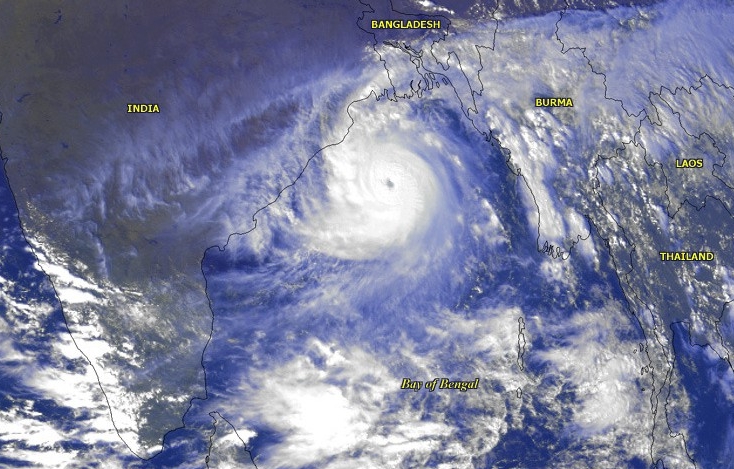
Cyclones. Tropical cyclones form when sea water heats to about 27°C or more, creating a low-pressure area that draws energy from the warm sea. Winds spiral inwards around the centre, and the storm moves towards land with strong winds, heavy rain and a storm surge. Better satellite tracking and early warning have sharply cut cyclone deaths on India's east coast, though damage to homes and crops is still heavy.
Droughts. A drought is a long period of unusually dry weather in a region where rain is normally expected. It differs from a naturally dry climate, and it is called a creeping disaster because it builds up slowly and lasts long. Cutting trees, over-drawing groundwater and unscientific farming make droughts worse, and their effects are economic, environmental and social.
Earthquakes, tsunamis and nature's shields
Earthquakes. An earthquake is a shaking of the ground caused by the sudden release of energy inside the Earth. The point on the surface above its source is the epicentre. Large reservoirs can sometimes induce earthquakes through the weight of their water, which is one reason dam siting in seismic areas needs care.
Living with earthquakes. Earthquakes cannot be predicted precisely, so the main defence is earthquake-resistant construction and following building codes. Most deaths are caused by collapsing buildings, not by the shaking itself. India's seismic zoning map tells builders how strong a structure must be in each region.
Tsunamis. A tsunami is a series of sea waves created by a geological event, most often an undersea earthquake, and sometimes by landslides or volcanic eruptions. In deep water the waves are low, but they grow very tall when they reach shallow coasts. On 26 December 2004, a magnitude 9.0 earthquake off Sumatra triggered a tsunami that devastated the coasts of Indonesia, Sri Lanka, India and Thailand.
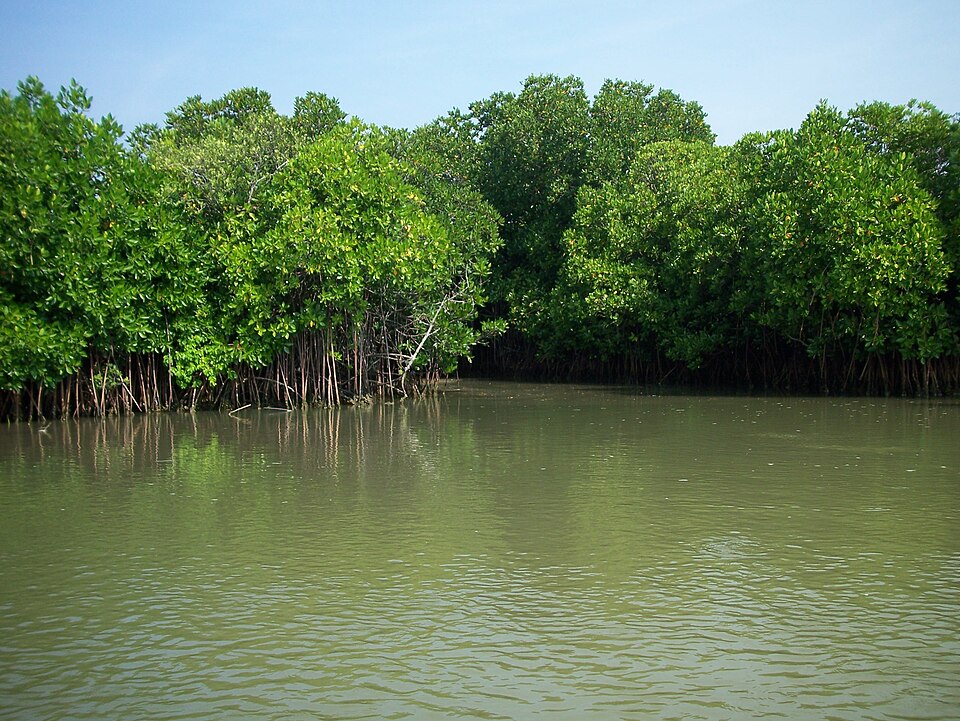
Mangroves and reefs as shields. During the 2004 tsunami, dense mangrove forests at places such as Pichavaram in Tamil Nadu broke the force of the waves and protected villages behind them. Mangroves and coral reefs are natural defences against tsunamis and storm surges. After 2004, India also set up its own tsunami early warning system with ocean buoys and data sharing.
Ecosystem-based disaster risk reduction. Protecting mangroves, wetlands, forests and coral reefs is often cheaper than building concrete walls, and gives fish, timber and tourism as well. This approach is called ecosystem-based disaster risk reduction. It links this chapter directly with the conservation ideas in the chapter on in-situ conservation.
The disaster management cycle
From relief to risk reduction. In the past, disaster management mostly meant relief after the event: food, tents and medicines. Today it is seen as a continuous cycle that starts long before a disaster and continues long after it. The goal is an orderly move from relief to recovery and back to sustainable development.
Pre-planning and mitigation. This stage covers long-term steps that reduce risk: defensive engineering works, land-use planning, building codes and evacuation plans. Protecting natural buffers such as mangroves and forests also belongs here. Money spent at this stage saves many times more later.
Preparedness. Preparedness means being ready just before and during a disaster. It includes early warning, trained rescue teams, stocked shelters, mock drills and community awareness. Good preparedness depends on people trusting and acting on warnings.
Response and relief. Response covers the events just before and after the disaster: evacuation, search and rescue, first aid, food, water and temporary shelter. Speed matters most here, especially in the first hours.
Recovery and reconstruction. Recovery is the long-term effort to return to normal life: rebuilding homes, schools and roads and restoring livelihoods. The idea of "building back better" means rebuilding in safer ways, not just as before. Lessons learnt from each disaster are then fed back into planning, closing the loop.
India's system: the Act, the plan and the 2025 amendment
The legal base. India's disaster management system rests on the Disaster Management Act, 2005. It works through the National Disaster Management Authority (NDMA) at the national level and State Disaster Management Authorities (SDMAs) in the states. The system aims to move from a relief-centred approach to one focused on prevention and preparedness.
The National Disaster Management Plan. The Prime Minister released India's first National Disaster Management Plan on 1 June 2016. The plan is broadly aligned with the Sendai Framework and incorporates its four priorities. It covers all phases of the cycle and sets roles for central ministries, states and local bodies.
The 2025 amendment. Parliament passed the Disaster Management (Amendment) Bill, 2024 in March 2025. According to the government, it aims to make both the NDMA and the SDMAs more effective, to create a disaster database at the national and state levels, and to provide for Urban Disaster Management Authorities. The urban focus reflects the growing risk of city floods and heat in fast-growing cities.
Why cities need special attention. Cities pack many people and assets into small areas, so one flood or heatwave can affect millions. Concrete surfaces stop rain from soaking in, and blocked drains and built-over lakes cause urban flooding. Restoring urban lakes and green spaces is therefore both an environmental and a disaster measure.
The Sendai Framework: a global plan to cut disaster risk
What it is. The Sendai Framework for Disaster Risk Reduction is a global agreement covering 2015-2030. It shifts the focus from managing disasters to reducing disaster risk before it turns into loss. It has four priorities for action.
The core idea. The framework asks countries to understand disaster risk, strengthen how risk is governed, invest in reducing risk and resilience, and improve preparedness and "building back better". These ideas match the disaster cycle explained above. They also connect disaster risk with climate action and sustainable development.
India's role. India's 2016 national plan was built around the Sendai priorities, as noted above. In May 2023, India's Prime Minister spoke on the midterm review of the Sendai Framework. Disaster resilience is also part of India's international work, including on disaster-resilient infrastructure.
Why it matters for the environment. The framework recognises that environmental damage, such as the loss of wetlands, forests and mangroves, increases disaster risk. It also recognises that climate change is making many hazards worse. So protecting ecosystems is part of disaster risk reduction, not separate from it.
Displacement, shelter and rehabilitation
People forced to move. Both natural and human-made disasters force people off their land. Earthquakes, cyclones and repeated floods leave thousands homeless and jobless. Industrial disasters such as the Bhopal gas leak, explained in the chapter on air pollution, are human-made examples.
Prevention first. The first strategy is prevention: earthquake-resistant houses, timely cyclone warnings, flood bunds and well-maintained bridges. The second is advance preparation by administrations and communities so they can cope with sudden events. Both need awareness among ordinary people and officials alike.
Shelter and dignity. Shelter is critical for survival, safety and dignity from the emergency phase until a lasting solution is found. Safer homes in safer places form the base for rebuilding livelihoods. For some families living in informal settlements, rebuilding after a disaster can even offer a chance at secure, legal housing.
Development-caused displacement. Unlike sudden disasters, dams, mines and roads are planned for years, yet their displaced people often receive little attention. People who give up land for development projects should be treated as stakeholders who share in the benefits. This issue is taken up in the chapter on forests, mines and dams.
Quick revision
- Hazard (natural event) vs disaster (needs outside help); hazards: atmospheric, hydrological, geological, biological.
- Floods worsened by deforestation and silting; cyclones need sea at ~27°C+; drought = creeping disaster.
- 2004 tsunami: 26 Dec, M 9.0 off Sumatra; mangroves and reefs as shields; ecosystem-based DRR.
- Cycle: mitigation → preparedness → response → recovery (build back better).
- DM Act 2005 (NDMA, SDMAs); NDMP 1 June 2016, aligned with Sendai; 2025 amendment: urban DM authorities, disaster databases.
- Sendai Framework 2015-2030, four priorities, risk reduction.