

UKPSC RO / ARO · Module 70 · standard depth · 14 min
Carnatic music: the Trinity, forms and how it differs from Hindustani
What UKPSC RO / ARO asks from this chapter
Syllabus lines this chapter covers:
- Mains Paper 1: General Studies (objective, 200 questions) · History and culture of India and Uttarakhand
1 UKPSC RO / ARO questions in our bank come from this module (Music).
Cut to standard depth for UKPSC RO / ARO. 6 deeper paragraphs are in the full chapter.
Start from zero: the music of the south
You have met the northern system in the Hindustani music chapter. Now travel south. Carnatic music is the classical music of Tamil Nadu, Andhra Pradesh, Telangana, Karnataka and Kerala.
Same roots, different path. Carnatic music grew from the same roots as Hindustani music: the Samaveda, the Natyashastra and the old texts. But in the south, the texts stayed powerful, and music developed in temples and courts with a stricter science. The result is a music of precise notes and rich compositions.
Devotion at the centre. Almost every Carnatic composition is a prayer or a song of praise. The great composers were saints as much as musicians. To understand Carnatic music, think of it as devotion expressed through exact sound.
What this chapter covers. We start with the devotional roots and the great texts. Then come the Trinity of composers, the main forms such as the kriti, the concert and its instruments, and finally a clear comparison with Hindustani music.
Devotional roots: hymns, saints and temples
Tamil hymns. Long before the word Carnatic was used, the Tamil saints of the Bhakti movement sang their devotion. The Nayanars (devotees of Shiva) and the Alvars (devotees of Vishnu) composed hymns that were set to music and sung in temples. You will read their poetry in the Tamil and south Indian literature chapter.
Why devotion shaped the music. Because the songs were prayers, their words mattered as much as their melody. A singer had to keep the meaning clear while singing beautifully. This is one reason Carnatic music gives equal weight to words and notes.
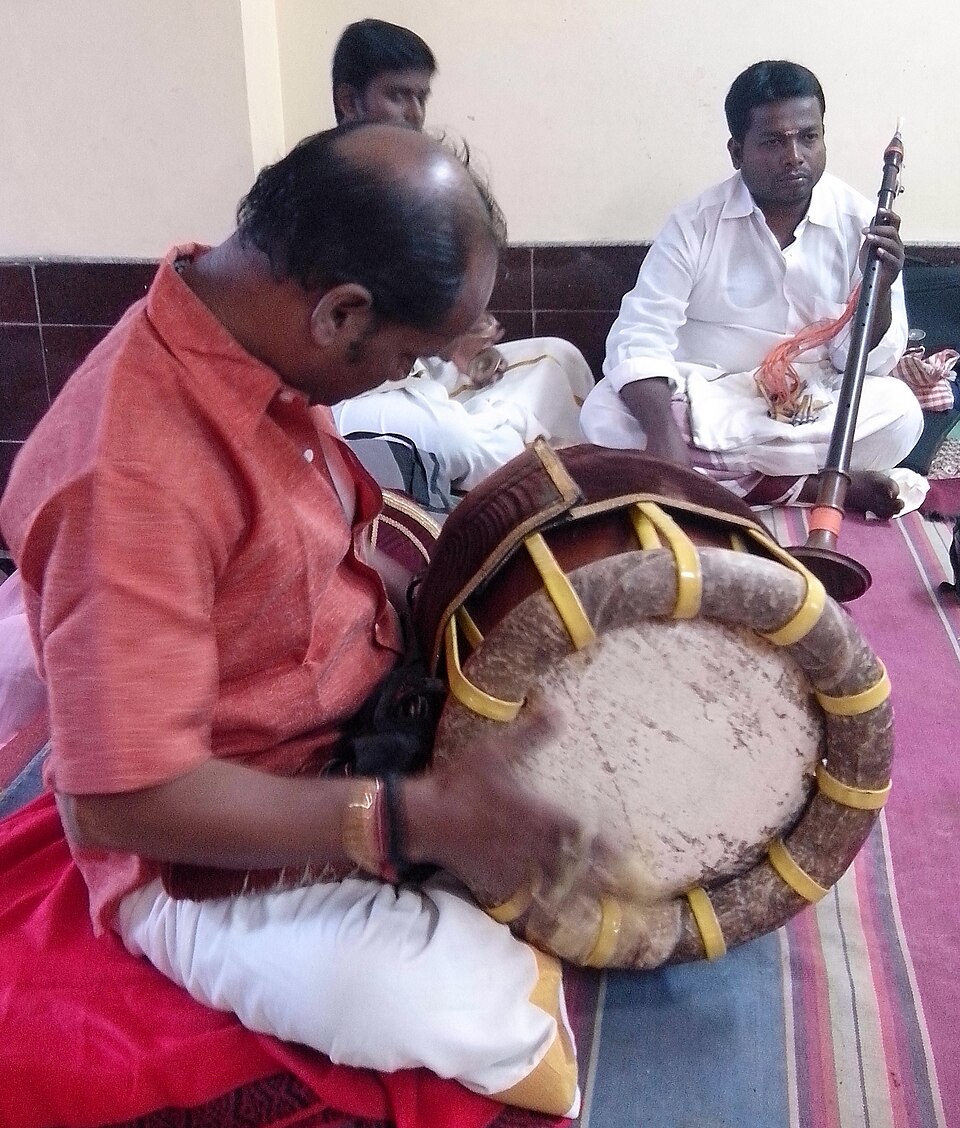
Temples as music halls. South Indian temples kept musicians for daily worship and festivals. The nadaswaram, a long double-reed pipe, and the thavil drum still lead temple processions. Temple patronage gave music a steady home for centuries.
Purandaradasa. Purandaradasa (16th century), a saint-composer of the Vijayanagara age, wrote a huge number of devotional songs in Kannada. He also arranged graded lessons for beginners, which are still used to teach Carnatic music. For this he is often honoured as a founding figure of Carnatic teaching.
The Gita Govinda in the south. Jayadeva's Sanskrit Gita Govinda travelled south too. Its songs, called ashtapadis, entered Carnatic music from the early 18th century. This shows how devotional poetry moved across India's regions and languages.
The science of ragas: from Vijayanagara to Thanjavur
A stricter science. In the south, the texts on music enforced a stricter science than in the north. Musicians studied treatises closely, and courts supported scholars as well as performers. This is why Carnatic music has a very clear system for classifying ragas.
Vijayanagara. The Vijayanagara court was a great centre of music. Kallinatha wrote a commentary on the Sangita Ratnakara there. Ramamatya of Kondavidu, a leading exponent of the southern style, wrote the Swaramela Kalanidhi in 1550.
Parent and child ragas. The Swaramela Kalanidhi set out a system of janaka (parent) and janya (derived) ragas. It described 20 janaka and 64 janya ragas. A parent raga is a full scale; derived ragas are formed from it by leaving out or bending some notes.
Venkatamakhin. In the mid-17th century, Venkatamakhin of Thanjavur wrote the Chaturdandi Prakashika (c. 1650). The system in this text became the bedrock of Carnatic music. It led to the scheme of melakartas, a complete set of parent scales from which ragas are derived.
Why a fixed scheme helped. A clear scheme lets musicians name any raga by its parent and see exactly how it is built. It also makes teaching systematic. The Hindustani system later grouped ragas into thaats, but the Carnatic scheme is more complete and more strictly followed.
The Trinity of Carnatic music
Three great composers. The golden age of Carnatic composition came between about 1700 and 1850. Three composers of this age are called the Trinity: Tyagaraja, Muthuswami Dikshitar and Shyama Shastri. Their kritis form the core of every Carnatic concert even today.
Tyagaraja. Tyagaraja was a devotee of Rama who lived at Tiruvaiyaru on the Kaveri, near Thanjavur. He composed mainly in Telugu, and his kritis are loved for their emotional devotion and their beauty of melody. Every year, musicians gather at his samadhi for the Tyagaraja Aradhana, singing his compositions together.
Muthuswami Dikshitar. Muthuswami Dikshitar composed mainly in Sanskrit. His kritis are grand and scholarly, and many honour deities of particular temples. He is known for groups of songs composed in sets, such as songs on the nine forms of the goddess.
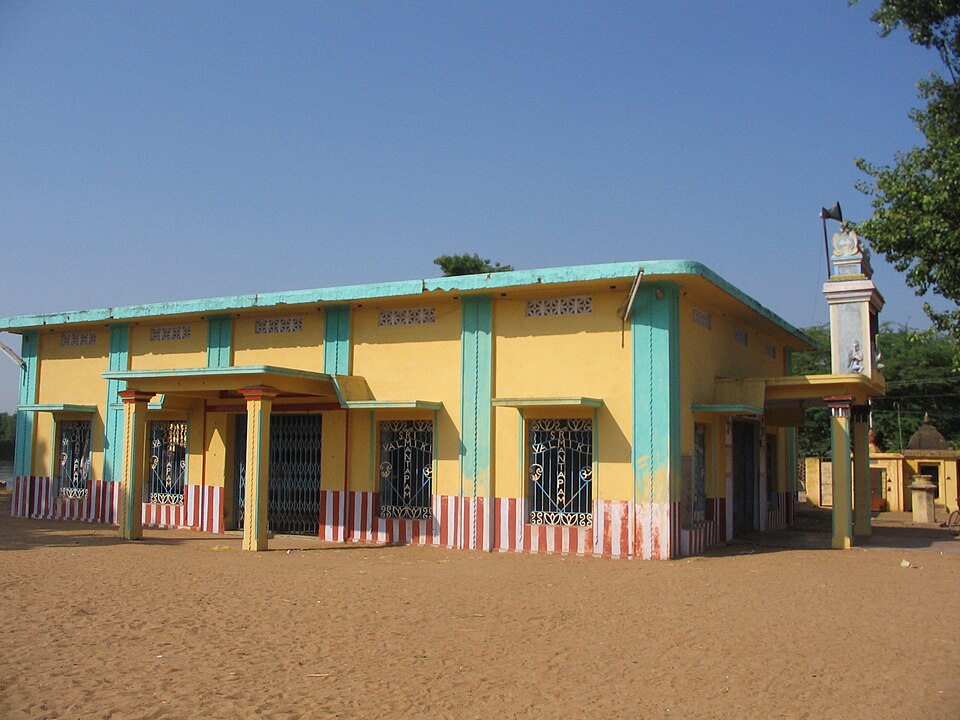
Shyama Shastri. Shyama Shastri, the eldest of the three, was a devotee of the goddess Kamakshi. He composed in Telugu and Sanskrit, and his songs are known for their complex rhythms. He wrote fewer songs than the other two, but they are highly prized.
Why the Trinity matters. The Trinity turned the kriti into the main form of Carnatic music. Their songs combine devotion, poetry and raga grammar in perfect balance. When people speak of the Carnatic tradition, they mean above all the music the Trinity left behind.
| Composer | Main language | Devotion | Known for |
|---|---|---|---|
| Tyagaraja | Telugu | Rama | Emotional kritis; Tiruvaiyaru Aradhana |
| Muthuswami Dikshitar | Sanskrit | Many temple deities | Grand, scholarly kritis in sets |
| Shyama Shastri | Telugu, Sanskrit | Goddess Kamakshi | Complex rhythms |
Carnatic forms: kriti, varnam, javali, tillana
The kriti. The kriti is the main form of Carnatic composition. It is devotional and has three parts. The pallavi is the opening theme line, which returns again and again; the anupallavi is the second section; and the charanam is the final verse, after which the singer returns to the pallavi.
Why the kriti works. The kriti's structure gives the singer a fixed composition to honour and space to show skill. Singers add improvised variations on lines of the kriti and passages of swaras (singing note names). In this way, composition and improvisation sit side by side.
Kirtanam. The kirtanam is an older devotional song form, simpler than the kriti, where the words and devotion matter most. The kriti grew out of it into a more elaborate musical form.
Javali and tillana. The javali is a lighter, romantic song, often used in dance. The tillana is a lively piece on rhythmic syllables, very like the Hindustani tarana; it often closes a Bharatanatyam recital, as you saw in the classical dances chapter. Maharaja Swathi Thirunal of Travancore was among the composers of tillanas.
Varnam. The varnam is a composition used both for training and as a concert opener. It shows the main phrases of a raga and builds the singer's technique. In dance, a longer form of varnam is the centrepiece of the recital.
The concert and its instruments
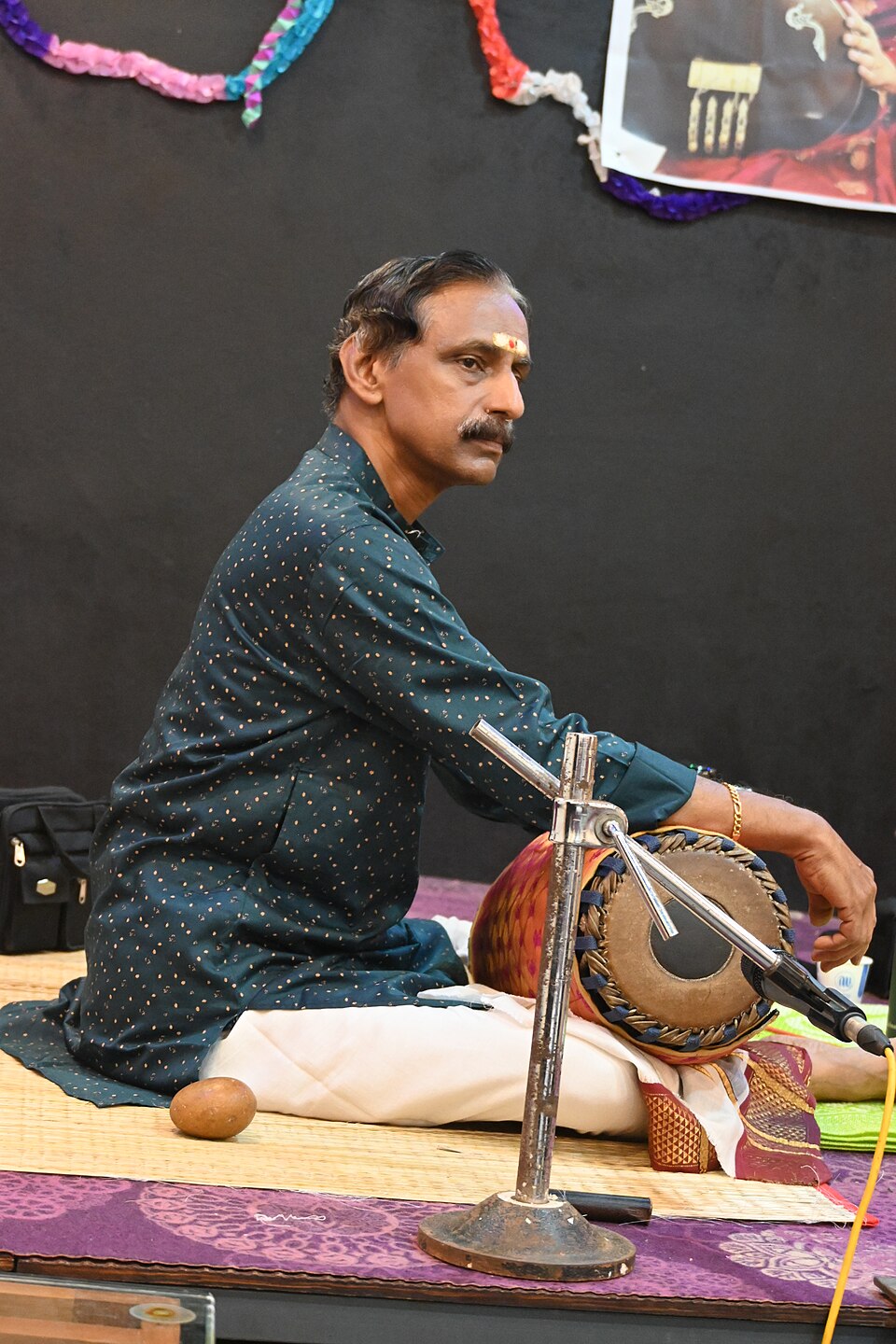
The concert. A Carnatic concert is called a kutcheri. The singer sits at the centre, with a violin player on one side and a mridangam player on the other. A ghatam or other percussion and a tanpura for the drone often join them.
Opening a raga. Before a major kriti, the singer may sing an alapana, a free, unmetred exploration of the raga, like the Hindustani alap. Then comes the composition, with improvised lines and swara passages. The violin follows the singer closely, answering each phrase.
The instruments. The veena is the classic stringed instrument of the south. The flute, the nadaswaram (a long pipe of temples) and the mridangam (a double-headed drum) are central. The ghatam is a clay pot played with fingers and palms, and the morsing is a jaw harp held against the teeth.
Instruments from the West. Carnatic music has been open to new instruments. The violin was adopted and became the main accompanying instrument. The clarinet has also been played in Carnatic style.
Flute masters. T. R. Mahalingam became famous on the Carnatic flute.
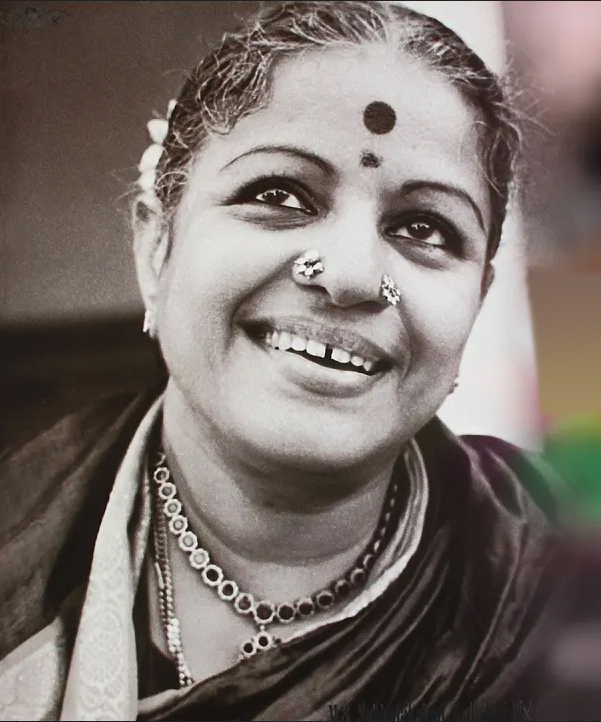
Great singers. M. S. Subbulakshmi is among the most celebrated Carnatic singers, known across India for her devotional songs.
Bridging styles. M. Balamuralikrishna was known for bringing northern and southern styles together. Many women and men have carried Carnatic music to stages across the world.
The Chennai music season. Every December, Chennai hosts a famous music season, with hundreds of concerts in many halls. It is one of the largest regular festivals of classical music anywhere. It shows how the music moved from temple and court to the public stage.
Carnatic and Hindustani compared
The comparison table. Exams love to compare the two systems. This table brings the main differences together. Remember that the differences are of style and emphasis, built on one shared grammar.
| Feature | Hindustani | Carnatic |
|---|---|---|
| Region | North, west and east India | South India |
| Notes | Notes glide into each other | Each note kept pure and exact |
| Words and notes | Note comes before words | Equal weight to both |
| Texts and rules | Looser code, more mixing of ragas | Stricter science, follows texts |
| Raga grouping | Thaats | Melakartas (janaka-janya) |
| Main forms | Dhrupad, khayal, thumri, tarana | Kriti, kirtanam, javali, tillana |
| Main drums | Tabla, pakhawaj | Mridangam, ghatam |
| Outside influence | Strong Persian influence | Less outside influence |
Same names, different ragas. Some ragas share a name but sound different in the two systems, such as Hindol and Shree. Others are similar but have different names. Mohanam (Carnatic) is like Bhupali (Hindustani), and Hindolam (Carnatic) is like Malkauns (Hindustani).
Borrowing. In the last hundred years, the systems have come closer. Hindustani musicians now freely sing Carnatic ragas such as Hamsadhwani, Abhogi and Kirwani. Joint concerts, called jugalbandis, bring artists of both systems together on one stage.
Quick revision
- Carnatic = classical music of TN, AP, Telangana, Karnataka, Kerala; same roots as Hindustani; stricter, text-bound; devotion at the centre.
- Roots: Nayanar and Alvar hymns set to music; temples; nadaswaram and thavil; Purandaradasa (16th c, Kannada, graded lessons); ashtapadis of the Gita Govinda from early 18th c.
- Texts: Swaramela Kalanidhi (Ramamatya, 1550, 20 janaka and 64 janya); Chaturdandi Prakashika (Venkatamakhin, Thanjavur, c. 1650) = base of melakarta system.
- Trinity (c. 1700–1850): Tyagaraja (Telugu, Rama, Tiruvaiyaru Aradhana), Muthuswami Dikshitar (Sanskrit), Shyama Shastri (Kamakshi, complex rhythm).
- Forms: kriti (pallavi, anupallavi, charanam), kirtanam, varnam, javali, tillana (≈ tarana; Swathi Thirunal). Alapana ≈ alap.
- Concert (kutcheri): singer, violin, mridangam, ghatam, tanpura. Instruments: veena, flute, nadaswaram, mridangam, ghatam (clay pot), morsing (jaw harp); violin and clarinet adopted. M.S. Subbulakshmi, T.R. Mahalingam, Balamuralikrishna.
- Same raga, different names: Mohanam = Bhupali, Hindolam = Malkauns. Carnatic ragas in Hindustani: Hamsadhwani, Abhogi, Kirwani.