

UPSC CSE · Module 8 · Mains depth · 22 min
Peasant and tribal uprisings before 1857
What UPSC CSE asks from this chapter
Syllabus lines this chapter covers:
- Prelims Paper I: General Studies · History of India and Indian National Movement.
- Mains Paper II: General Studies I (Heritage, culture, history, geography, society) · Modern Indian history from about the middle of the eighteenth century until the present- significant events, personalities, issues.
UPSC CSE questions from this module are being sorted into our bank.
Read at full depth: basics, the standard layer and the Mains analysis.
Start from zero: why would a farmer pick up a weapon?
Picture a farmer whose family has tilled the same field for generations. One year a new collector arrives and fixes a tax higher than the whole harvest. If the farmer cannot pay, the land is sold off to a stranger, and the family must borrow from a moneylender just to eat.
Now picture a forest community that has never paid anyone for the land it lives on. Suddenly outsiders arrive with papers, claim the forest and the fields, and treat the old chiefs as nobodies. The people do not understand the new laws, and the courts are far away and costly.
This is what Company rule meant for millions of Indians in the hundred years before 1857. Many of them did not wait quietly. Peasants, tribal communities, old chiefs and religious bands rose again and again, long before the great Revolt of 1857.
This chapter tells their story. Keep one question in mind as you read. If so many people rose against the Company, why did none of these uprisings shake British rule, and what did they still achieve?
The uprisings at a glance
Between 1763 and 1856 there were more than 40 major rebellions and hundreds of smaller ones. This table lists the ones you are most likely to meet in an exam.
| Uprising | When | Where | Leaders or people |
|---|---|---|---|
| Sanyasi and Fakir rebellion | 1770-1820s | Bengal | Bhawani Pathak, Devi Choudhurani, Majnu Shah |
| Rangpur-Dinajpur rising | 1783 | Bengal | Peasants against the contractor Debi Singh |
| Paika rebellion | 1817 | Khurda, Odisha | Baxi Jagabandhu |
| Bhil uprising | 1818-1831 | Khandesh | Bhils; instigated by Trimbakji |
| Jat revolt | 1824 | Western UP and Haryana | Jat peasants |
| Kol uprising | 1831-1832 | Singhbhum, Chhotanagpur | Kols |
| Mappila uprisings | 1836-1854 | Malabar | Mappila tenants and labourers |
| Farazi movement | 1838-1848 | Bengal | Shariatullah Khan, Dadu Mian |
| Santhal Hul | 1855 | Damin-i-koh (Santhal Pargana) | Sidhu and Kanhu |
Notice the spread. These risings came from every corner of India, from Malabar to Bengal and from Gujarat to Odisha. Yet they came at different times and never joined hands, which is the key to understanding both their courage and their failure.
Why rural India was angry
A new idea of land. Before British rule, land was not simply bought and sold like goods in a market. The Company's revenue settlements turned land into a saleable commodity and recognised private ownership. New intermediaries stood between the owner and the person who actually tilled the soil.
Revenue before everything. The Company cared mainly about revenue collected on time at high fixed rates. Zamindars and collectors ignored what a cultivator could actually pay, and they used force. A peasant who fell short had to sell his land or fall into the hands of a moneylender.
Cash crops and famine. Peasants were pushed to grow commercial crops that British industry wanted, in place of food crops. Merchants, officials and landlords speculated in land, which created absentee landlords who never saw their fields. The Bengal famine of 1770 showed how deadly this mix could be.
Nowhere to complain. Local administration was under the influence of the rich, so the poor could not expect justice. Officials, landlords and moneylenders worked hand in glove to exploit the peasant. When the law itself seemed to be on the side of the oppressor, rebellion looked like the only way left.
The forest people. Tribal communities lived by their own customs and paid no one for their land. British land policy took away their traditional rights over land, and merchants, moneylenders and officials entered their territory. Their chiefs lost power, and the outsiders became the target of their anger.
Why does this matter? These causes explain why the uprisings were so widespread. The anger was not about one bad officer but about a whole new system. You can see how that system worked in the chapter on British land revenue settlements.
When old rulers and their soldiers fought back
Displaced rulers and chiefs. Not every rebel was a poor peasant. Displaced rulers, former officials, impoverished zamindars and poligars (local military chiefs in the south) also took up arms. Their power, land and income had been taken away by the Company.
Banaras. When Warren Hastings imprisoned Chet Singh, the ruler of Banaras, the people of Banaras rebelled. The episode showed that even a powerful local ruler could be humiliated by the Company. It also showed that ordinary people felt loyal to their own ruler.
The poligars of the south. In the late 18th and early 19th century, the poligars of Tamil Nadu, Malabar and coastal Andhra revolted. The British were trying to take away their military and land rights. The poligars were joined by dispossessed landlords and displaced cultivators.
The Paika rebellion (1817). The Paikas were the peasant militia of the Gajapati rulers of Khurda in Odisha. They fought in wars and farmed their lands in peacetime. The British had occupied Odisha in 1803, and the custodian of the young king, Jai Rajguru, was killed when he resisted.
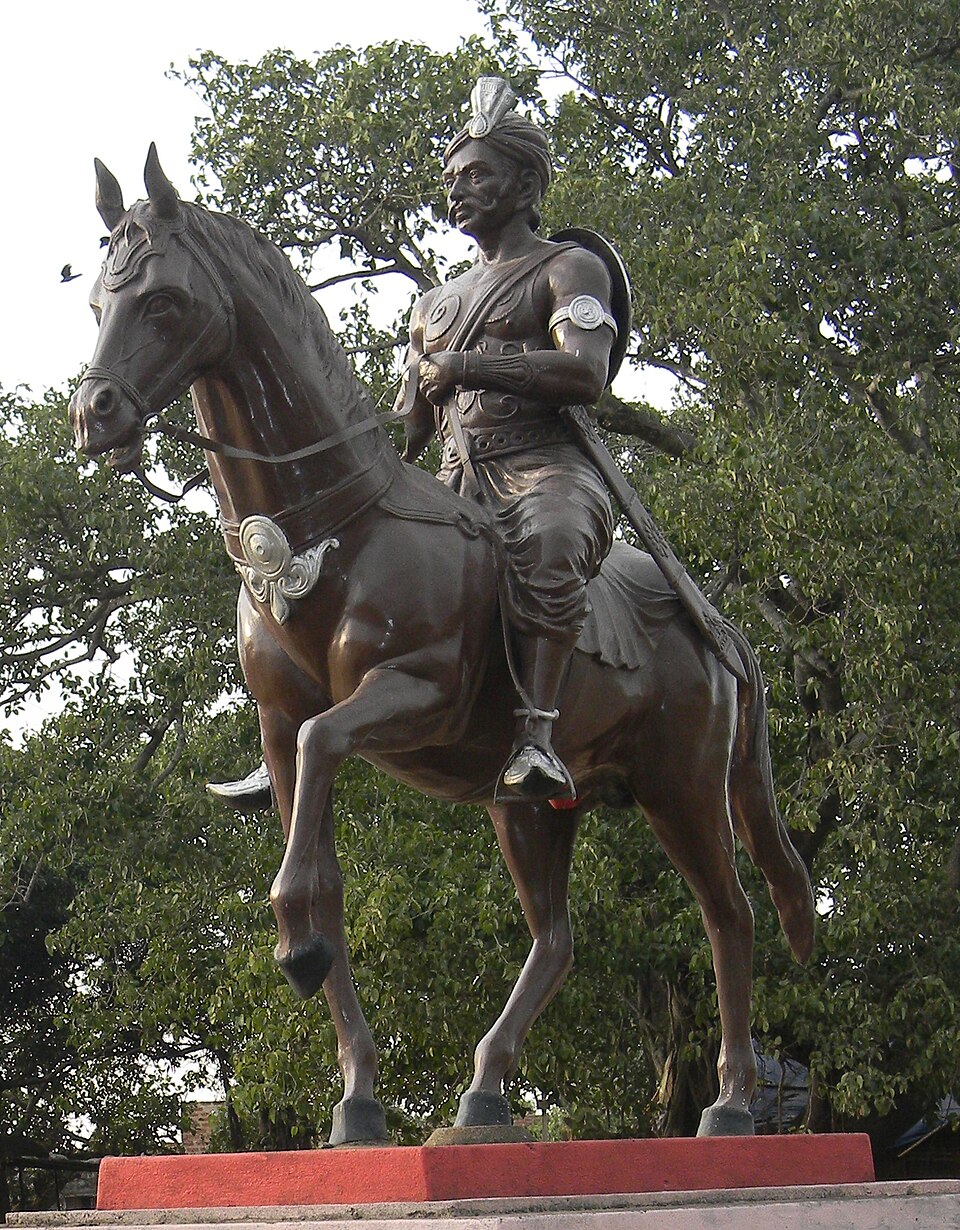
How it unfolded. In March 1817 the Paikas rose under Baxi Jagabandhu, their hereditary chief. Tribals of Ghumusar joined them, and the rebels burnt police stations, offices and the treasury on their way to Khurda, from where the British fled. The revolt spread to Puri, Pipli and Cuttack, with support from several rajas, zamindars, village heads and peasants.
How it ended. The British regained control within three months, after several battles, and punished the rebels harshly. Some Paikas fought a guerrilla war until 1819. Jagabandhu was arrested in 1825 and died in captivity in 1829.
Why does Paika matter? It came 40 years before 1857. Some scholars regard it as one of the first organised armed rebellions against British rule. In 2017 the Government of India marked its bicentenary.
Peasant risings in Bengal
The Sanyasi and Fakir rebellion (1770-1820s). After the famine of 1770, many evicted peasants joined bands of Sanyasis and Fakirs, Hindu and Muslim religious mendicants. These bands looted the grain stocks of the rich and government treasuries and attacked English factories. The immediate trigger was British restrictions on pilgrims visiting holy places.
Leaders and legacy. Its leaders included Bhawani Pathak, Devi Choudhurani and Majnu Shah. The rebels often shared their wealth with the poor and even set up their own government. The British crushed them by the early 19th century, but Bankim Chandra Chatterjee's novel Anandamath kept their memory alive.
Scale and method. The bands moved through Bengal and Bihar in groups of five to seven thousand and used guerrilla attacks. Hindus and Muslims took part equally, and the rebels set up an independent government in Bogra and Mymensingh. Clashes with British forces were a regular feature until about 1800.
Rangpur and Dinajpur (1783). The peasants of Rangpur and Dinajpur suffered under the revenue contractor Debi Singh, who tortured them to collect taxes. When British officials did nothing, the peasants attacked the local cutcheries and the stores of contractors and officials. They set up their own government and stopped paying revenue, until they were forced to surrender.
How Rangpur organised. The rebels gathered by beat of drum and elected Dirjinarain as their leader. They levied an 'insurrection charge' on the peasants to meet the cost of the rising. Hindus and Muslims fought side by side until government forces suppressed the revolt.
The Farazi movement (1838-1848). The Farazis of Bengal were led by Shariatullah Khan and later Dadu Mian. The movement began with a call for religious reform among Muslims, but it took up the cause of the peasants. It is described as the first no-tax campaign against the British government.
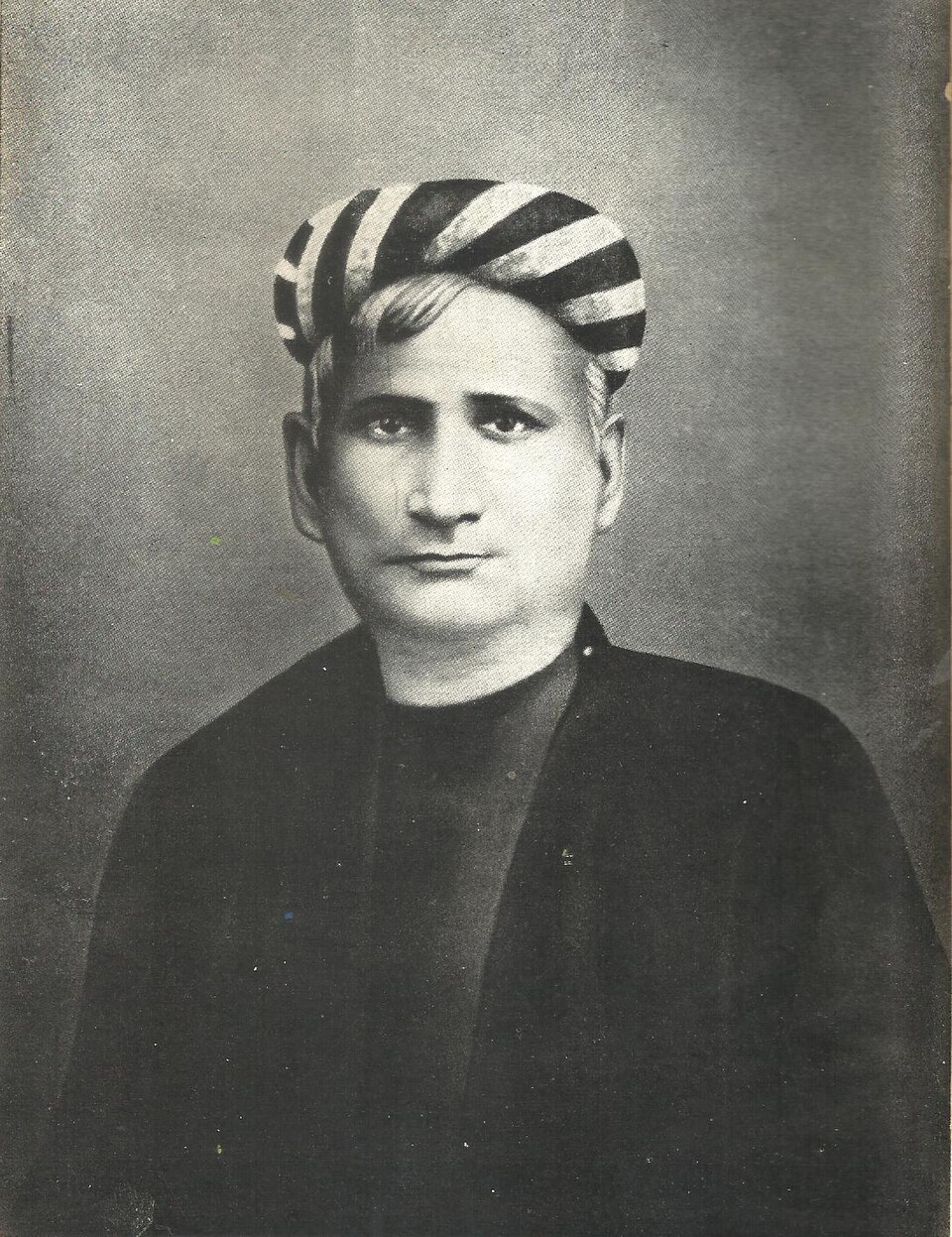
Dudu Miyan's message. The sect was founded by Haji Shariatullah of Faridpur, and his son Dudu Miyan gave it a sharp social message. He taught that all men are equal and that land belongs to God, so no one has the right to tax it. The Farazis set up a parallel administration with village courts, told peasants not to pay taxes to zamindars and burnt an indigo factory at Panch-char.
How it ended. The government and the zamindars together crushed the movement, and Dudu Miyan was imprisoned. Some accounts date the Farazi disturbances from 1838 to 1851, so in an exam the safe phrase is "from 1838 into the 1840s".
The Wahabi movement (1830s-1860s). The Wahabi movement was led by Syed Ahmed of Rae Bareli, also called Syed Ahmed Barelvi. It was religious in origin, but in some areas, especially Bengal, it took on the character of a class struggle of poor peasants against the rich. This shows how religion and economic anger often flowed together.
Why does this matter? In all these movements, religion and protest were mixed. Religious leaders gave ordinary people a sense of unity and courage. The British, however, saw only crime and fanaticism, which helped them justify harsh repression.
Risings in the south, west and north
The Mappilas of Malabar. The Mappilas were mostly cultivating tenants, landless labourers, petty traders and fishermen. The British conquered Malabar in the last decade of the 18th century and brought in their land revenue system. Over-assessment, illegal taxes, eviction and changes in land rights pushed the Mappilas into repeated risings between 1836 and 1854.
Against two enemies. The Mappilas rose against both the British and the landlords who used the new laws against them. Religious leaders helped build their unity and their anti-British feeling. The colonial government suppressed them, but Malabar remained a centre of unrest.
Janmi and tenant. Between 1836 and 1854 there were about twenty-two uprisings in Malabar. A key grievance was that British rule turned the janmi (landlord) from a traditional partner of the Mappila into an independent owner with a right to evict tenants, a right that had not existed before. Most rebels came from the poorer Mappilas.
The north and west. In the north, the Jats of western UP and Haryana revolted in 1824. In western India, Maharashtra was a common centre of uprisings, and the Kolis rose in Gujarat. These risings show that resistance was not limited to one region or one community.
Mysore: the Nagar rising (1830-31). After Tipu Sultan's defeat, the British restored the Wodeyar ruler and imposed a subsidiary alliance on him. The Company's financial demands pushed him to raise revenue, and the burden fell on the cultivators. Peasants of Nagar rose under Sardar Malla, the son of an ordinary ryot, and after the revolt the administration of Mysore passed into British hands.
The tribal uprisings
Why tribals rose. Tribal communities lived outside the mainstream, governed by their own customs and chiefs. The Company extended its authority into their lands, and merchants, moneylenders and officials followed. The tribals targeted all outsiders in their territory, because they saw them as one oppressive force.
The Bhils of Khandesh (1818-1831). The Bhils of Khandesh had enjoyed independent power under their own chiefs. After the British occupation of 1818, they rose in a long revolt. It is said to have been instigated by Trimbakji, a minister of Peshwa Baji Rao II.
The Kols of Chhotanagpur (1831-1832). The Kols of Singhbhum in Chhotanagpur rose in 1831-1832. Their anger was against the transfer of tribal land to outsiders and against moneylenders. Like the Bhils, they had once lived under their own chiefs.
How far it spread. The Kol rising spread over Ranchi, Hazaribagh, Palamau and Manbhum. The rebels attacked the houses and property of settlers from outside, but in 1832 they did not attack other tribal people, which shows they knew who their allies were. The rising was suppressed by force.
The Santhal Hul (1855-56). The Santhals lived in the Damin-i-koh, also called the Santhal Pargana, on the borders of Bengal, Bihar and Orissa. The British used them to clear jungle land, but once they began farming it, landlords, merchants and moneylenders moved in and the Santhals were evicted. In 1855, two years before the Revolt of 1857, they took up arms.
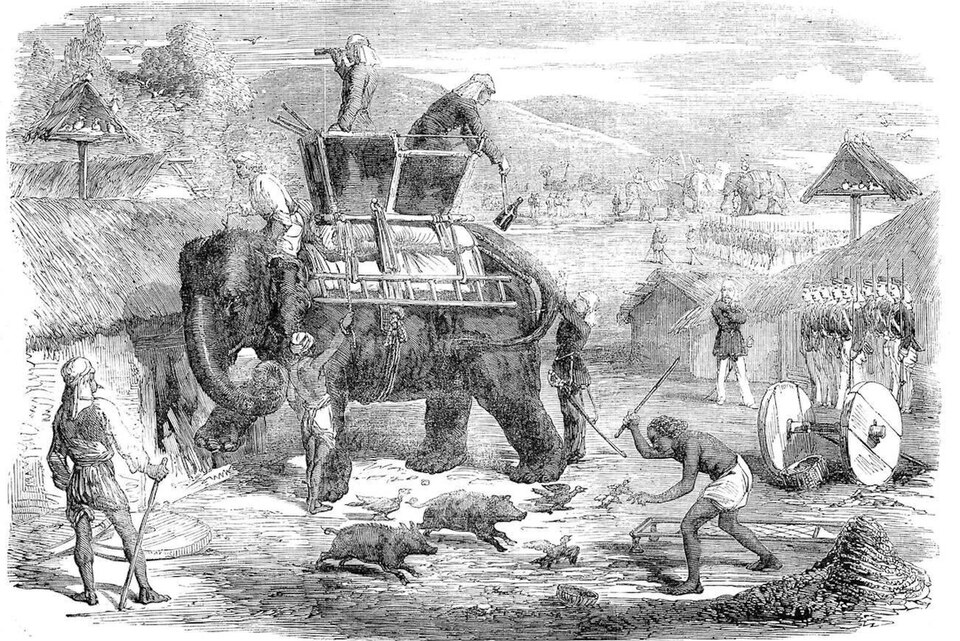
Dikus and debt. The Rajas of Maheshpur and Pakur leased Santhal villages to zamindars and moneylenders. The Santhals called these outsiders dikus. A writer of 1856 recorded loans at interest of 50 to 500 per cent, false weights at the weekly market and crops trampled by the cattle of the rich.
Sidhu and Kanhu. The uprising was led by the brothers Sidhu and Kanhu, who were believed to have divine blessing to end the people's suffering. The Santhals wanted to take back their land and set up their own government. Poor local groups such as Gowallas, Telis and Lohars joined them, which shows that the Hul was more than a tribal affair.
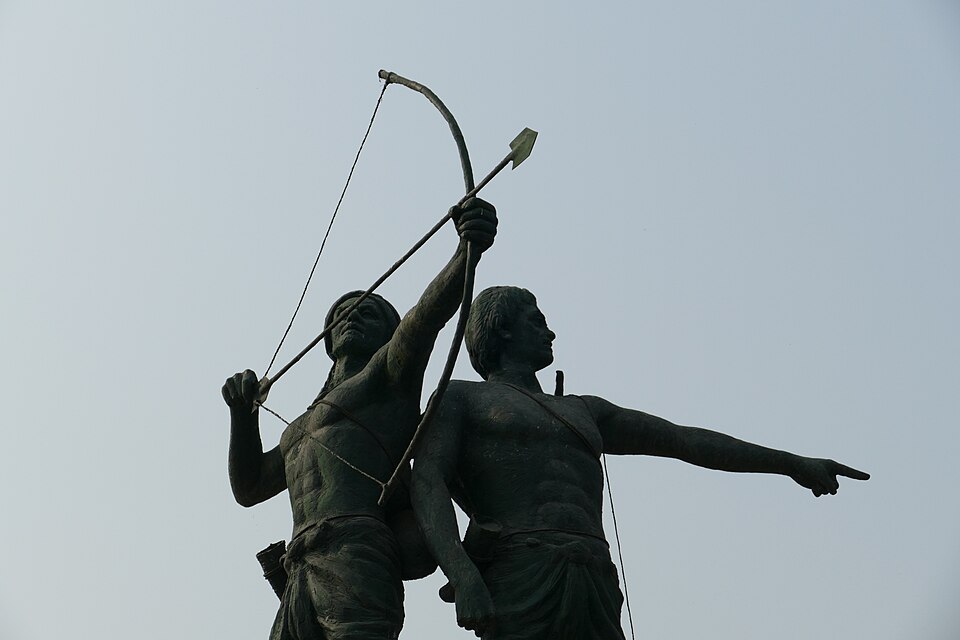
The ultimatum. Before the open revolt, several thousand Santhals met and sent an ultimatum to zamindars and officials to stop the oppression at once. The authorities ignored it. When the attacks came, the Santhals gave warning in advance to the villages they targeted, which marks the Hul as an open political act, not mere crime.
How it ended. Armed mostly with bows and arrows, the Santhals were ruthlessly suppressed in an unequal fight. Sidhu and Kanhu lost their lives in the struggle. Today 30 June is observed as Hul Diwas in their memory.
Why does this matter? The tribal risings show what happens when a government changes people's relationship with land without their consent. Many of the problems behind them, such as land alienation and debt to outsiders, remained live issues long after independence.
Nature, limits and legacy
They knew their enemy. The rebels were clear about their interests and their enemies, which shows real political and social awareness. A revolt usually began over a local issue, such as a cruel contractor or a lost field. As it grew, its aims widened into a protest against British rule itself.
What held them together. Religion, ethnic ties and tradition helped mobilise rebels and kept them united. Many spoke of restoring a 'good old past'. For them that past did not mean a golden age of kings; it meant relief from exploitation.
How the British saw them. The rulers treated these revolts as law-and-order problems and crime. Tribal rebels were declared criminals, and many were hanged. This view denied the rebels' own understanding of their grievances and their right to protest.
How historians read them. Historians sympathetic to British rule saw a law-and-order problem and often portrayed rebels as primitive people resisting "civilisation". Nationalist historians folded them into the story of the freedom struggle, sometimes ignoring other sides of the rebels' own experience. A third view asks that these movements be understood in the rebels' own terms, which is a richer answer for Mains.
Who led them. The leaders rose and fell with the movement and came from within the peasants' own cultural world, unlike the outside leaders of the later national movement. Holy men such as Dudu Miyan joined a call to purer religion with the peasants' material problems. This explains why religious language and economic anger so often went together.
Why they failed. The revolts were local and isolated, so the British could crush them one by one. The rebels fought with old weapons against a modern army. They also had no plan for the future beyond restoring the old order.
What they achieved. Even in defeat, these uprisings exposed the unpopular character of colonial rule. They created awareness and left memories of courage that later generations drew on. They also paved the way for the Revolt of 1857, when for the first time many such grievances flowed together, as told in the chapter on the causes and outbreak of the Revolt of 1857.
A Mains lens. An examiner may ask whether these were mere "law and order" problems or early forms of resistance to colonialism. A balanced answer accepts their local aims and lack of a common plan. It then shows that, taken together, they reveal a continuous thread of popular resistance from 1763 to 1857.
Mains practice: uprisings before 1857
These are practice questions written by us, not past papers. Past questions from your exam appear in the PYQ panel.
| Angle | Question | Key points to cover |
|---|---|---|
| Causes | How did British land and revenue policies provoke peasant uprisings before 1857? | Cover land as a commodity, high fixed revenue, moneylenders and cash crops. Then add the 1770 famine and the alliance of official, landlord and moneylender. |
| Tribal | Why did tribal communities target all outsiders in their revolts? Illustrate with two examples. | Explain lost land rights and curbed chiefs. Then use the Kol and Santhal risings, including the eviction of Santhals from cleared land. |
| Debate | "The pre-1857 uprisings were law-and-order problems, not resistance to colonialism." Critically examine. | Present the colonial view and the rebels' clear sense of enemies. Then weigh local aims and the lack of a plan against their widening aims and legacy. |
| Link | How did the uprisings between 1763 and 1856 prepare the ground for the Revolt of 1857? | Show the same grievances (land, revenue, outsiders) and the memory of resistance. Then contrast their isolation with the wider coming-together of 1857. |
How to use this table: each answer should explain the what, then the why, and end with what it led to.
Quick revision
- Between 1763 and 1856 there were 40+ major risings, all local and isolated.
- Sanyasi and Fakir rebellion (Bengal, 1770-1820s): Bhawani Pathak, Devi Choudhurani, Majnu Shah; remembered in Anandamath.
- Rangpur-Dinajpur (1783): peasants against the contractor Debi Singh.
- Paika (1817, Khurda, Odisha): led by Baxi Jagabandhu; crushed within three months.
- Bhil (1818-1831, Khandesh) and Kol (1831-1832, Singhbhum, Chhotanagpur).
- Jats (1824) of western UP and Haryana; Kolis of Gujarat.
- Mappila (1836-1854, Malabar): against the British and the landlords.
- Farazi (1838-1848, Bengal): Shariatullah Khan and Dadu Mian; the first no-tax campaign.
- Wahabi (1830s-1860s): Syed Ahmed of Rae Bareli.
- Santhal Hul (1855, Damin-i-koh): Sidhu and Kanhu; Hul Diwas on 30 June.