

UPSC IES / ISS · Module 7 · standard depth · 20 min
Land revenue: the Company's search for money
What UPSC IES / ISS asks from this chapter
Syllabus lines this chapter covers:
- General Studies (IES and ISS) · The paper will also include questions on Indian Polity including the political system and the Constitution of India, History of India and Geography of a nature which a candidate should be able to answer without special study.
UPSC IES / ISS questions from this module are being sorted into our bank.
Cut to standard depth for UPSC IES / ISS. 3 deeper paragraphs are in the full chapter.
Start from zero: why did a trading company care about land?
Think of a farming family in a village two hundred years ago. Each year they grew rice or wheat, kept some to eat, and gave a share to whoever ruled the area. That share, paid in grain or in cash, is called land revenue.
In India, farming was the biggest source of wealth by far. So whoever collected the land revenue held the purse of the country. When the East India Company won the right to collect it, a trading company suddenly became the largest tax collector in eastern India.
This chapter asks a simple question: how should the Company collect this money, and from whom? The British tried several answers. Each answer created a new set of winners and losers in the village, and those changes lasted long after the British left.
Keep three questions in mind as you read. Who was made the owner of the land? Who had to pay the state? And what happened to the cultivator, the person who actually tilled the soil?
The three systems at a glance
Here are the three main systems in one table. Each one is explained in detail later in this chapter.
| System | Started | Main area | Who paid the state | Who was treated as owner |
|---|---|---|---|---|
| Permanent Settlement (zamindari) | 1793, by Lord Cornwallis | Bengal and Bihar | The zamindar paid a fixed sum. | The zamindar was made the owner. |
| Ryotwari | 1792, by Alexander Read in Madras | Madras and Bombay Presidencies | Each cultivator (ryot) paid directly. | The ryot was owner as long as he paid. |
| Mahalwari | After 1822 | North and north-west India | The village body (mahal) paid jointly. | The proprietors of the mahal held it jointly. |
Notice the common thread. In every system, the state's first aim was to collect as much revenue as possible. The systems differed mainly in whom the Company chose to deal with.
Why did the Company need so much revenue?
The diwani changed everything. In 1765 the Company received the diwani of Bengal, Bihar and Orissa, the right to collect their revenue. From then on, maximising revenue became the main goal of British administration. Trade was still important, but tax had become the bigger prize.
Where did the money go? Agricultural tax was the Company's main income, and the Company had many bills to pay. It had to pay dividends to its investors in Britain, and it needed money to conquer territory, fund its trade and run the administration. Each new war needed more money, so revenue demands kept rising.
Why does this matter? It explains why every British system set the demand high. The British were not mainly trying to help farmers; they were trying to fund an empire and pay shareholders. The greed for land revenue also pushed the Company into aggressive expansion, since every new province meant new revenue.
A lasting effect. The way the British collected land revenue partly decided how the colonial state related to the people it ruled. In the village, the government appeared mainly as a tax collector. That image shaped how peasants saw British rule for the next two centuries.
The first experiment: selling the right to collect (1772)
What was revenue farming? In 1772 Governor Warren Hastings introduced revenue farming in Bengal. European District Collectors auctioned the right to collect revenue to the highest bidder. The winner promised a large sum to the Company and then went out to collect it from the villages.
Why did it fail? A bidder who had promised a huge sum had every reason to squeeze the peasants as hard as he could. He also knew his contract was short, so he had no reason to care about next year's harvest. The demands were arbitrarily high, and they ruined the cultivators.
A famine in the background. Even before 1772, the greed and meddling of Company servants had thrown Bengal's administration into disorder. This was one of the causes of the terrible famine of 1769-70, in which about a third of the people of Bengal died. Under the farming system, profitable contracts also went to friends, favourites and benamidars of men in power, so corruption spread further.
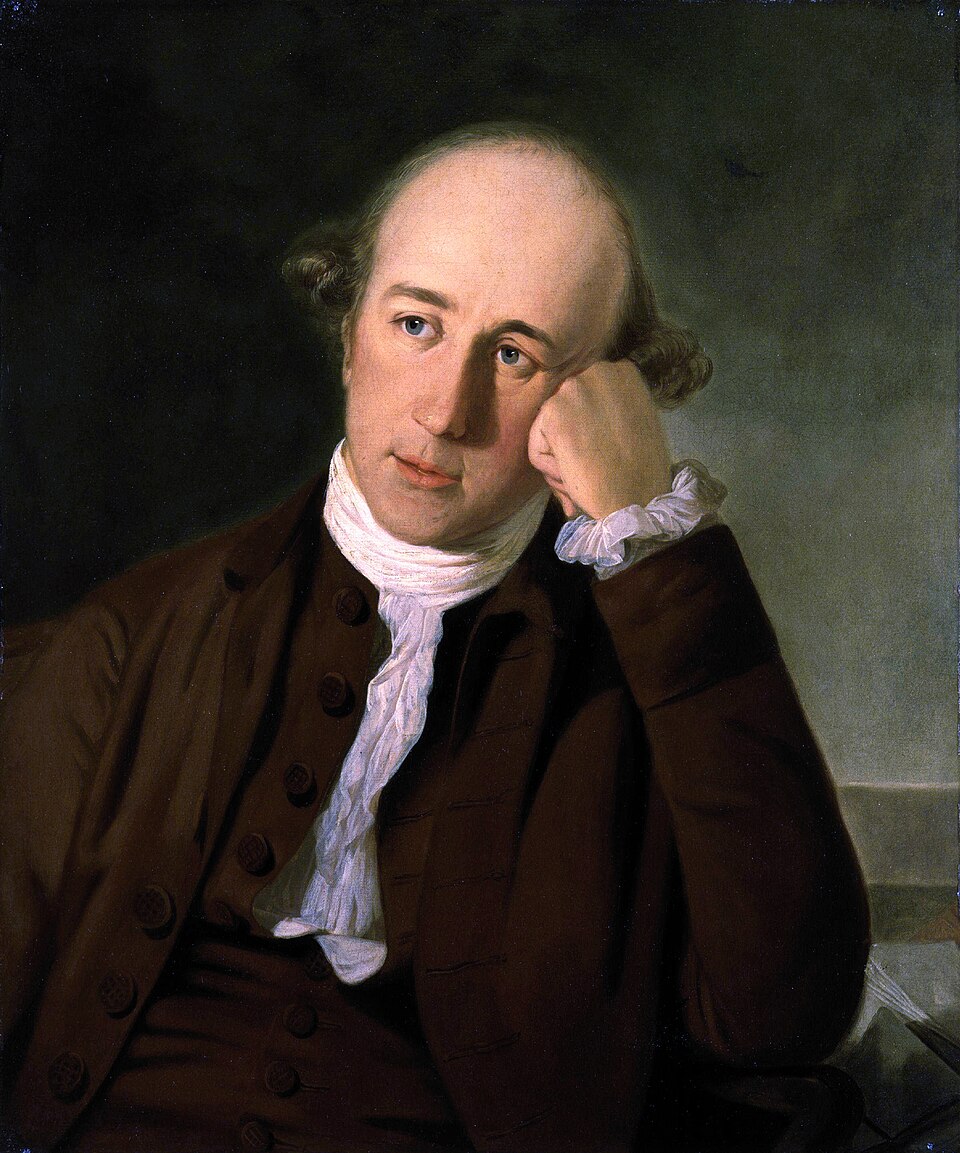
The lesson the British drew. The system was a total failure. Revenue became uncertain, villages were stripped bare, and the Company could not plan its income. In 1786 Lord Cornwallis was sent out to clean up the administration, and his search for a stable system led directly to the Permanent Settlement.
The Permanent Settlement (1793): making zamindars owners
What was it? In 1793 Lord Cornwallis introduced the Permanent Settlement in Bengal and Bihar. It is also called the zamindari system. Zamindars, who until then had only collected revenue, were now recognised as the hereditary owners of the land.
How did it work? Each zamindar had to deposit a fixed sum in the treasury on a set date. The state's demand was fixed permanently, which is why the system is called "permanent." If a zamindar failed to pay on time, his land was auctioned and sold to someone else.
Why did the British choose this? Cornwallis had three aims:
- To create an enterprising landowning class that would invest in and improve farming, like landlords in England.
- To have a system easier to manage than dealing with every single peasant.
- To build a powerful, loyal section of society that would stand by British rule.
What did the Company gain? A fixed demand gave the Company financial security, because it knew its income in advance. There were perhaps four or five million cultivating families in Bengal, Bihar and Orissa, and assessing each of them would have taken years and a large staff. Collecting from a few big zamindars was far simpler and cheaper for a small foreign government.
How high was the bar? The revenue was fixed at about Rs 2 crore 65 lakh, the most the land could be made to yield. The official John Shore estimated that of a crop worth Rs 100, the government took Rs 45, the zamindar Rs 15, and the cultivator kept only Rs 40. Such a heavy demand could only be collected by heavy-handed methods.
What went wrong for the cultivator? Zamindars turned peasants into tenants on their own land, and the tenant-cultivators became poorer. Cornwallis ordered zamindars to give each cultivator a written patta stating the rent, but in practice no pattas were issued. Regulations of 1793, 1799 and 1812 even let a zamindar seize a tenant's property for unpaid rent without going to any court.
What went wrong for the zamindars? Many zamindars could not pay on time and lost their lands at auction. About 68 per cent of zamindari land in Bengal was sold between 1794 and 1819, mostly to merchants, officials and other zamindars, who then pushed up rents. Rammohan Roy observed that since 1793 the landholders had used every means in their hands to raise rents.
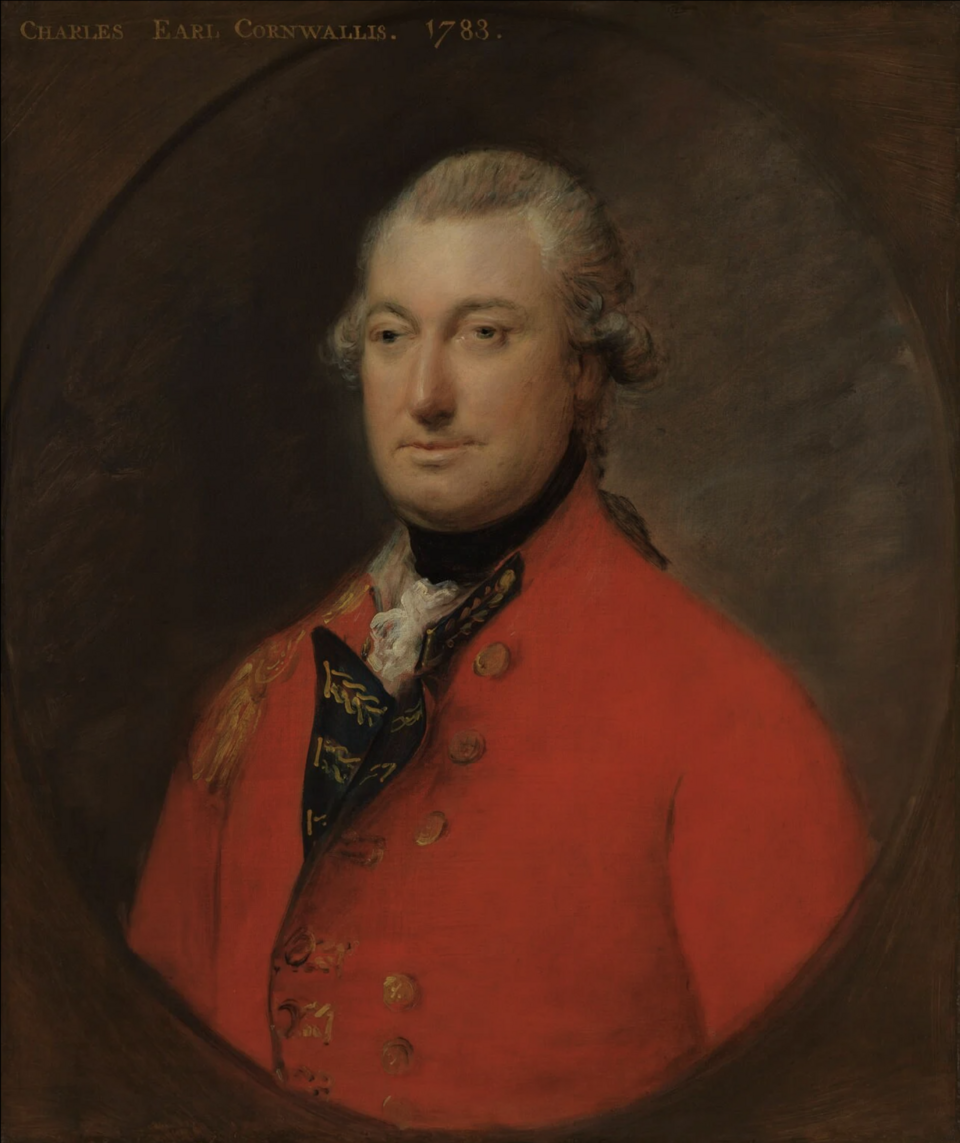
The ladder of middlemen. To cope, the Raja of Burdwan divided his estate into lots called patni taluqs, each rented permanently to a patnidar, and other zamindars copied him. This subinfeudation created many layers of intermediaries between the zamindar and the cultivator, and each layer took its cut. Only in 1859 did a law give limited protection to old tenants, now called occupancy tenants.
Two hidden costs. First, land became property that could be bought and sold, which made it easy for moneylenders and outsiders to take it. Second, the state was shut out of agricultural development: with the revenue fixed forever, the government had no reason to invest in irrigation there. That is why permanently settled eastern India was later left out of most canal building.
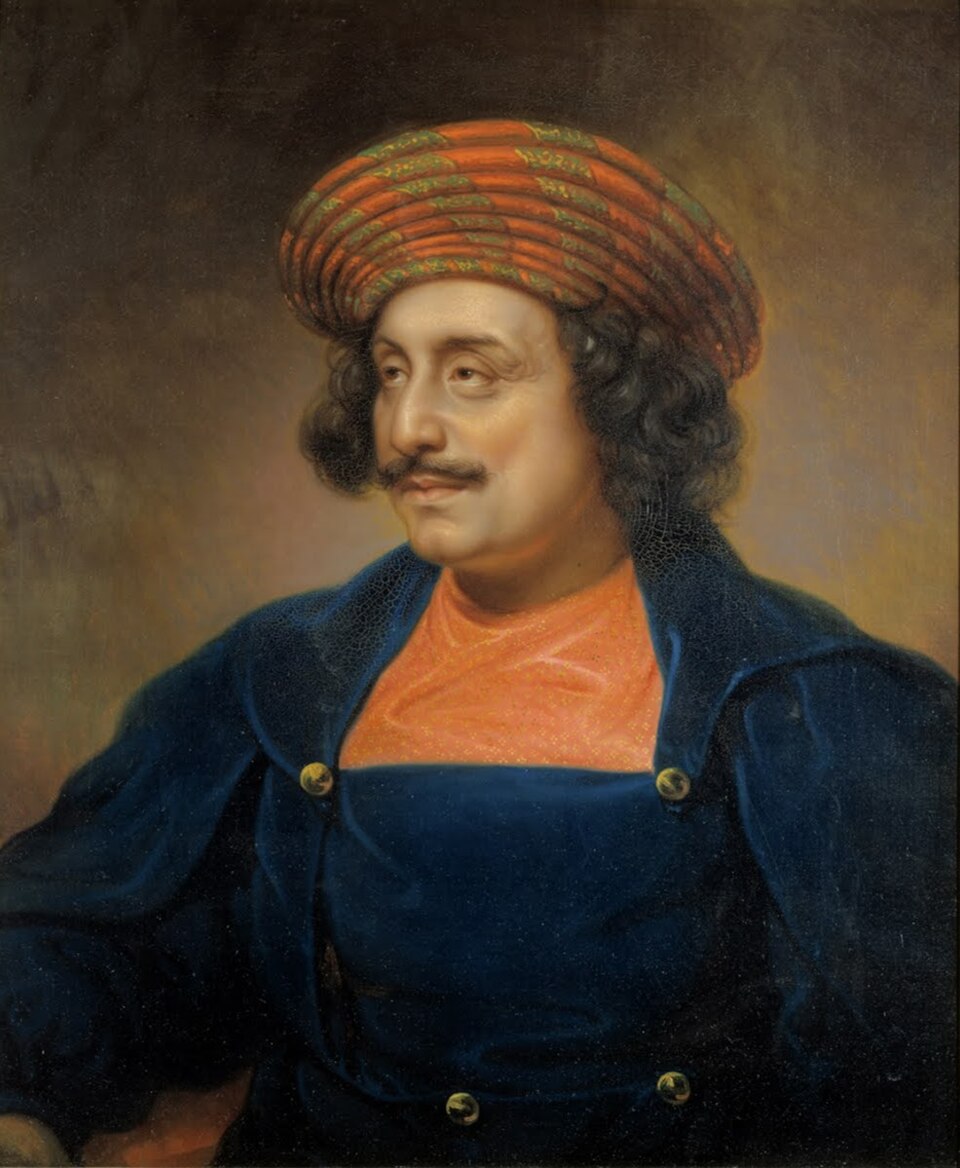
The political result. The new zamindars became political allies of the British and a buffer between the government and the peasants. Later, many of them supported the British against the freedom movement. Cornwallis's third aim, a loyal class, was achieved, but at the cost of the peasant.
The Ryotwari system: dealing with each farmer
What was it? The ryotwari system was started by Alexander Read in 1792 in the Madras Presidency, and it was later extended to Bombay. Here the Company skipped the zamindar altogether. Revenue was imposed directly on the ryot, the individual cultivator who worked the land.
Second thoughts about permanence. By then officials had begun to sour on the Permanent Settlement, because it left no room to raise taxes while war costs kept growing. In 1811 the London authorities warned against any permanent settlement without a minute and detailed survey of the land. So the search turned to systems where the state could keep raising its demand.
How did it work? Thomas Munro and Read first collected village by village, and then assessed each cultivator separately. Early ryotwari was a field assessment: an officer fixed the tax on each field by its soil and area, claiming one-third or two-fifths of the estimated produce. The ryot was recognised as the owner of his land as long as he paid.
Why did Madras choose it? By 1820 Madras had adopted ryotwari, and Munro became its Governor. He argued that it was the original Indian tenure, but the main reason was that it yielded more revenue than any other system, since no middleman took a share. Unlike the Permanent Settlement, the demand was not fixed forever, so the state could raise it over time.
Theory and practice. After 1820 ryotwari was spread to districts that had never been surveyed, so the tax was often fixed by looking at past payments, which was called a putcut assessment. Cultivators were forced to keep and pay for land they did not want, and torture to collect revenue was exposed by the Madras Torture Commission in 1854. In 1855 the Madras government admitted that only about 14.5 million acres of ryotwari land were cultivated while 18 million lay waste.
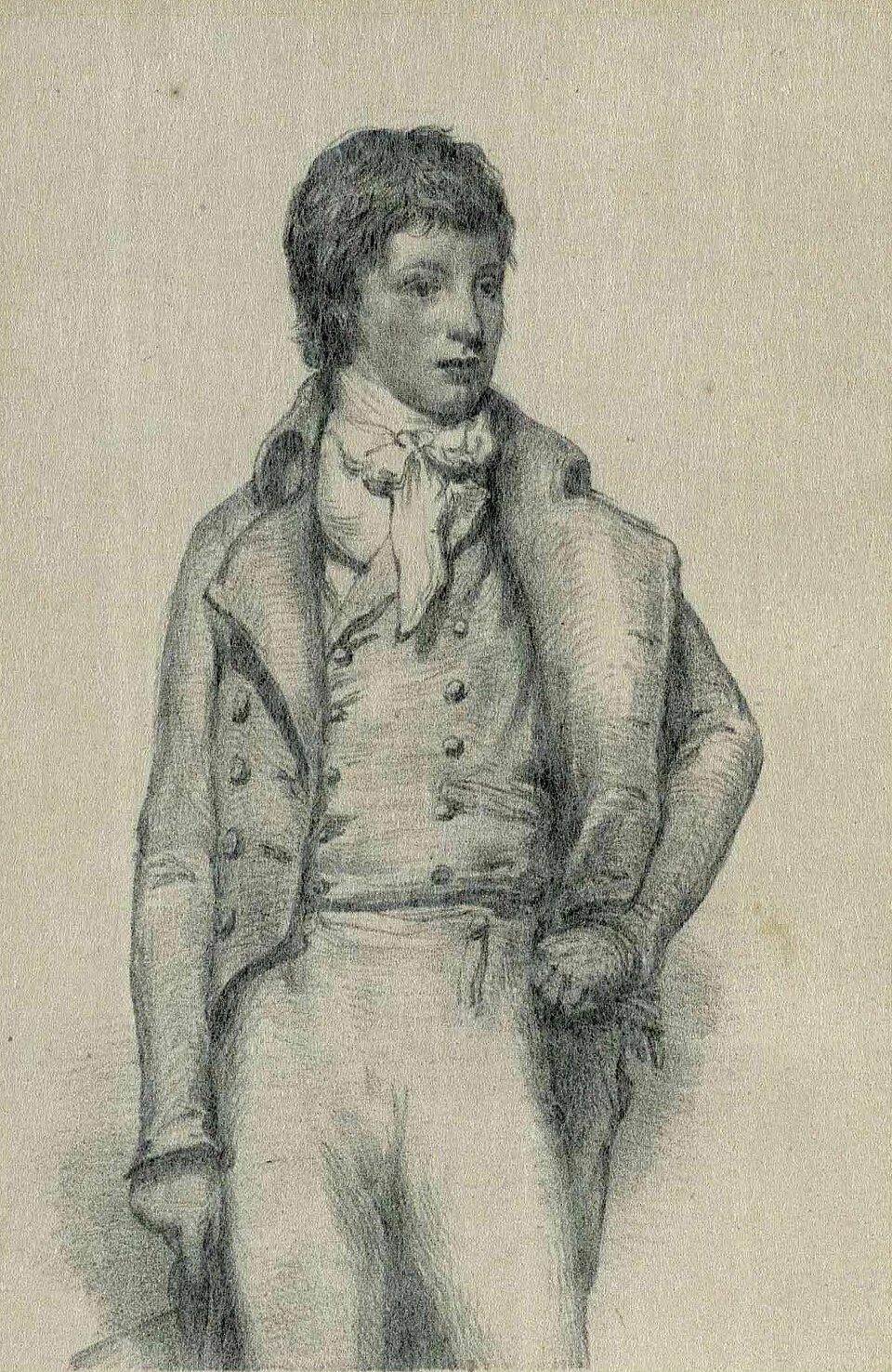
What were the results? Land had almost no sale value, because the revenue took nearly everything it produced. In irrigated districts like Thanjavur, some "ryots" held thousands of acres worked by tenants and labourers, so landed intermediaries kept flourishing. Ryotwari raised state revenue, but the assessments were faulty, and the peasants were overburdened.
Ryotwari in Bombay. After the Peshwa's lands were taken in 1818, ryotwari was brought in under Munro's disciple Elphinstone. Pringle's survey, based on the English economist Ricardo's theory of rent, set the demand so high that cultivators in Pune district fled to the Nizam's territory, and from 1836 the Wingate-Goldsmid assessment brought it down. Once land became saleable, moneylenders began to seize their debtors' land, and this tension led to the Deccan rising of 1875.
The key difference to remember. In the Permanent Settlement, the state dealt with a few big zamindars and left the peasant to them. In ryotwari, the state dealt with the peasant directly, so the peasant faced the full weight of government demand himself. In both cases, the person who tilled the soil carried the heaviest burden.
The Mahalwari system: the village as a unit
What was it? The mahalwari settlement was introduced after 1822 in north and north-west India, including the North-Western Provinces and the Ganga valley. Settlements were made with village communities, or sometimes with taluqdars, who were big landholders. Each fiscal unit was called a mahal, which could be one village or a group of villages.
How did it work? The revenue was assessed on the produce of the mahal. All the proprietors of the mahal were jointly responsible for paying it. If one member failed to pay, the others had to make up the shortfall.
Why was this approach chosen? In much of north India, village communities held land together and shared responsibility for it. Mahalwari gave some recognition to these collective proprietary rights. It was, in a sense, a middle path between dealing with one zamindar and dealing with every single peasant.
How it came about. Wellesley's wars won large territories in the north between 1801 and 1806, later called the North-Western Provinces. The demand there rose from Rs 188 lakh in 1803-04 to Rs 297 lakh in 1817-18, and many big zamindars who resisted or could not pay lost their estates. So the government increasingly collected village by village through the headman, and since the fiscal unit was a mahal, the settlement got its name.
From theory to rough guess. In 1819 the official Holt Mackenzie argued that the real owners were the village communities, and his ideas became Regulation VII of 1822, which ordered officials to record every right and payment. This proved impossible, so in 1833 it was replaced by a rough estimate of what each village could pay.
In later years the state took a share of the village's rental, which ultimately settled at half. In the 1840s R.M. Bird and James Thomason carried this approach further in the Thomasonian settlement, which was biased against the big taluqdars.
What were the results? The idea of respecting village rights sounded fair, but the British demand was very high, so the system brought little benefit to the peasants. Many village zamindars were ruined, and their land passed to moneylenders and merchants, especially in commercial districts hit by the business collapse after 1833. In 1857, villagers across the north drove off officials, destroyed revenue records and threw out the new auction buyers.
Where else it went. Later conquests followed one of the two newer models. Punjab came under mahalwari, and much of central India under a modified form called malguzari. In Awadh, after the revolt of 1857, the government recognised the taluqdars as proprietors to win their loyalty, though the assessment itself was mahalwari.
What did these systems do to the village?
1. Agriculture stagnated. British revenue policies left agriculture stagnant. The state took so much that little was left for the farmer to invest in better seeds, tools or wells. Peasants became almost tenants-at-will, who could be thrown off the land at the owner's will.
2. The moneylender took centre stage. Revenue had to be paid in cash, on time, and the demand was excessive. When the harvest was poor, the peasant had to borrow from a moneylender, who charged high interest. Some moneylenders kept false accounts and used forged signatures and thumbprints.
Why did the law not protect the peasant? The new legal system favoured the moneylender, who could read the documents and afford the courts. Land was now saleable property, so a moneylender could take it to recover a debt. Slowly, peasant land passed into the hands of moneylenders, and many owners became landless labourers.
3. Forced cash crops. To pay revenue, rent and debts in cash, farmers had to grow cash crops such as indigo, cotton or jute. Many shifted away from food crops like jowar, bajra and pulses. When famine struck, families who grew cash crops had no grain stored to eat, and the results were disastrous.
4. Canals for some, not for all. The colonial government built some irrigation canals, mainly to raise revenue and offer limited famine relief. It left out the permanently settled east, because revenue there was fixed and could not be raised. The canal colonies of Punjab became prosperous, but the benefit went mainly to better-off farmers who could pay high water rates.
The big picture. The three systems looked different on paper, but they shared one result. Each one made the cultivator pay heavily in cash, and each one strengthened landlords, middlemen and moneylenders. This deep rural distress later fed the peasant revolts that broke out across India.
Quick revision
- After the diwani of 1765, maximising land revenue became the Company's main goal.
- Warren Hastings auctioned the right to collect revenue in 1772, and this revenue farming was a total failure.
- Lord Cornwallis introduced the Permanent Settlement in Bengal and Bihar in 1793, and zamindars became owners.
- Under the Permanent Settlement the demand was fixed forever, and defaulting zamindars lost their land at auction.
- The Permanent Settlement led to subinfeudation, poorer tenants and a loyal zamindar class.
- Alexander Read started ryotwari in Madras in 1792, and it later spread to Bombay; revenue was paid directly by the ryot.
- Mahalwari came after 1822 in north and north-west India, and the mahal paid jointly.
- All three systems left farming stagnant and made the moneylender powerful.