

KPSC KAS · Module 45 · Mains depth · 20 min
Biogeochemical cycles: ಪ್ರಕೃತಿ carbon, nitrogen, water ಮತ್ತು phosphorus ಅನ್ನು ಹೇಗೆ ಮರುಬಳಕೆ ಮಾಡುತ್ತದೆ
What KPSC KAS asks from this chapter
Syllabus lines this chapter covers:
- Paper II: General Studies · Environment and ecology.
KPSC KAS has asked 1 question from this chapter (2017); 5 from its whole module.
Read at full depth: basics, the standard layer and the Mains analysis.
Start from zero: the atoms in your body are very old
The carbon in your fingernail may once have been part of a dinosaur, a mango tree or the breath of a buffalo. That sounds strange, but it is simply how nature works. The Earth receives fresh energy from the Sun every day, yet it receives almost no fresh matter from space, so the same atoms have to be used again and again.
You have already seen that energy flows one way through an ecosystem and leaves as heat. Matter behaves differently. Carbon, nitrogen, water and phosphorus pass from air, water and rock into living things and then back again, in great loops that ecologists call biogeochemical cycles.
The name tells the story. "Bio" means life, "geo" means the Earth's rocks, soil, air and water, and "chemical" means the elements themselves. So a biogeochemical cycle is the journey of an element between living things and the non-living Earth.
These cycles are not just textbook diagrams. Climate change is a disturbed carbon cycle, a lake choked with algae is a disturbed nitrogen and phosphorus cycle, and a falling water table is a disturbed water cycle. Understanding the loops is the first step to understanding these problems.
How a nutrient cycle is built: reservoirs and fast loops
Living things need more than 40 elements. A few, such as carbon, hydrogen, oxygen and nitrogen, are needed in large amounts, while others are needed only in traces. The storage and movement of these elements through the parts of an ecosystem is called nutrient cycling, and through it the same nutrients are used again and again.
Two pools in every cycle. Every cycle has a large store where the element sits for a long time, called the reservoir pool. It also has a smaller part that moves quickly between living things and their surroundings, called the cycling pool. Think of a bank's vault and the cash counter: most money sits in the vault, but daily business runs through the counter.
Two kinds of cycles. In a gaseous cycle, the reservoir is the atmosphere or the oceans, and the element moves quickly around the world through the air. Carbon and nitrogen follow gaseous cycles. In a sedimentary cycle, the reservoir is the Earth's crust, and the element is released slowly as rocks weather; phosphorus is the classic example.
Why the type matters. A gas spreads across the planet within months, so a local action such as burning coal in one country affects the air everywhere. A sedimentary element moves slowly and stays local, so when soil loses its phosphorus, it can take a very long time for rocks to replace it. This is why fertilisers and careful soil management matter so much for farming.
Decomposition: the engine that keeps the cycles turning
A cycle needs a way back. If dead leaves and bodies were never broken down, nutrients would stay locked inside them and the soil would slowly starve. Decomposition is the process that unlocks them, and it happens in five steps.
The five steps. First comes fragmentation, in which detritivores such as earthworms break dead matter into small pieces. Next, in leaching, water-soluble nutrients seep down into the soil. Then, in catabolism, bacterial and fungal enzymes break the material into simpler substances.
Humus and minerals. In humification, a dark, spongy substance called humus builds up. Humus decomposes very slowly and acts as a store of nutrients for the soil. Finally, in mineralisation, humus is broken down further and inorganic nutrients are released for plants to absorb.
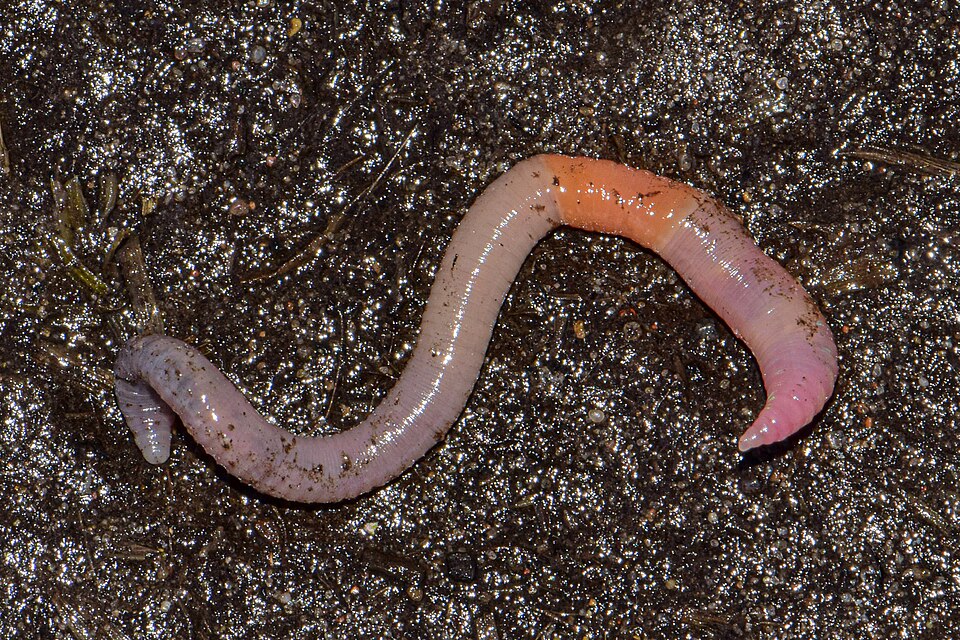
What speeds it up or slows it down. Decomposition needs oxygen, so it slows down in waterlogged soil. It is faster in warm, moist conditions and slower when dead matter is rich in tough substances such as lignin (in wood) and chitin (in insect shells). That is why a fallen leaf vanishes quickly in a Kerala monsoon but lasts for years in a cold, dry mountain.
Why it matters. The speed of decomposition explains why tropical rain forest soils are often poor even though the forests are rich: nutrients are recycled so fast that they stay in the plants, not in the soil. It also explains why cold peatlands store huge amounts of carbon, and why draining or burning them releases it.
The carbon cycle: the loop behind climate change
Carbon is the backbone of every living thing, from sugar to DNA. Its main gaseous form is carbon dioxide in the air. The carbon cycle is the story of how that gas enters life and comes back out.
Into life. Green plants on land and phytoplankton in the sea take in carbon dioxide during photosynthesis and turn it into sugars. Animals get their carbon by eating plants or other animals. In this way carbon from the air becomes leaves, wood, flesh and bone.
Back to the air. Carbon returns to the air in three main ways. Plants and animals release it when they breathe (respiration), decomposers release it when they break down dead matter (decomposition), and fire releases it when wood or fuel burns (combustion). Some carbon is buried for millions of years and becomes coal, oil and gas.
Forests as stores. Forests hold large amounts of carbon in their wood and soil. When a forest is cleared or burned, that store is released. When a forest grows, it pulls carbon out of the air, which is why forests are called carbon sinks.
What humans have changed. By burning coal, oil and gas, humans release carbon that was buried for millions of years, and by clearing forests they shrink the stores that absorb it. The extra carbon dioxide builds up in the air and traps heat, which drives global warming. You can study this link in the chapter on the greenhouse effect.
The nitrogen cycle: plenty in the air, scarce for life
Nitrogen is needed to build proteins and DNA. About four-fifths of the air is nitrogen gas, so it seems that life should never run short. Yet most plants and animals cannot use nitrogen gas directly, because its two atoms are held together very tightly. Nitrogen must first be "fixed", that is, turned into compounds that plants can absorb.
Three ways to fix nitrogen. Lightning provides enough energy to join nitrogen with oxygen, and rain carries the compounds to the soil. Industry fixes nitrogen to make chemical fertilisers. Most important of all, certain bacteria fix nitrogen, including Rhizobium, which lives in the root nodules of pulses such as gram, moong and soybean.
Steps in the soil. In nitrification, soil bacteria turn ammonia into nitrates, the form most plants absorb. In assimilation, plants take up these nitrates and build proteins, which pass to animals through food. When plants and animals die or excrete waste, decomposers turn their nitrogen back into ammonia; this is ammonification.
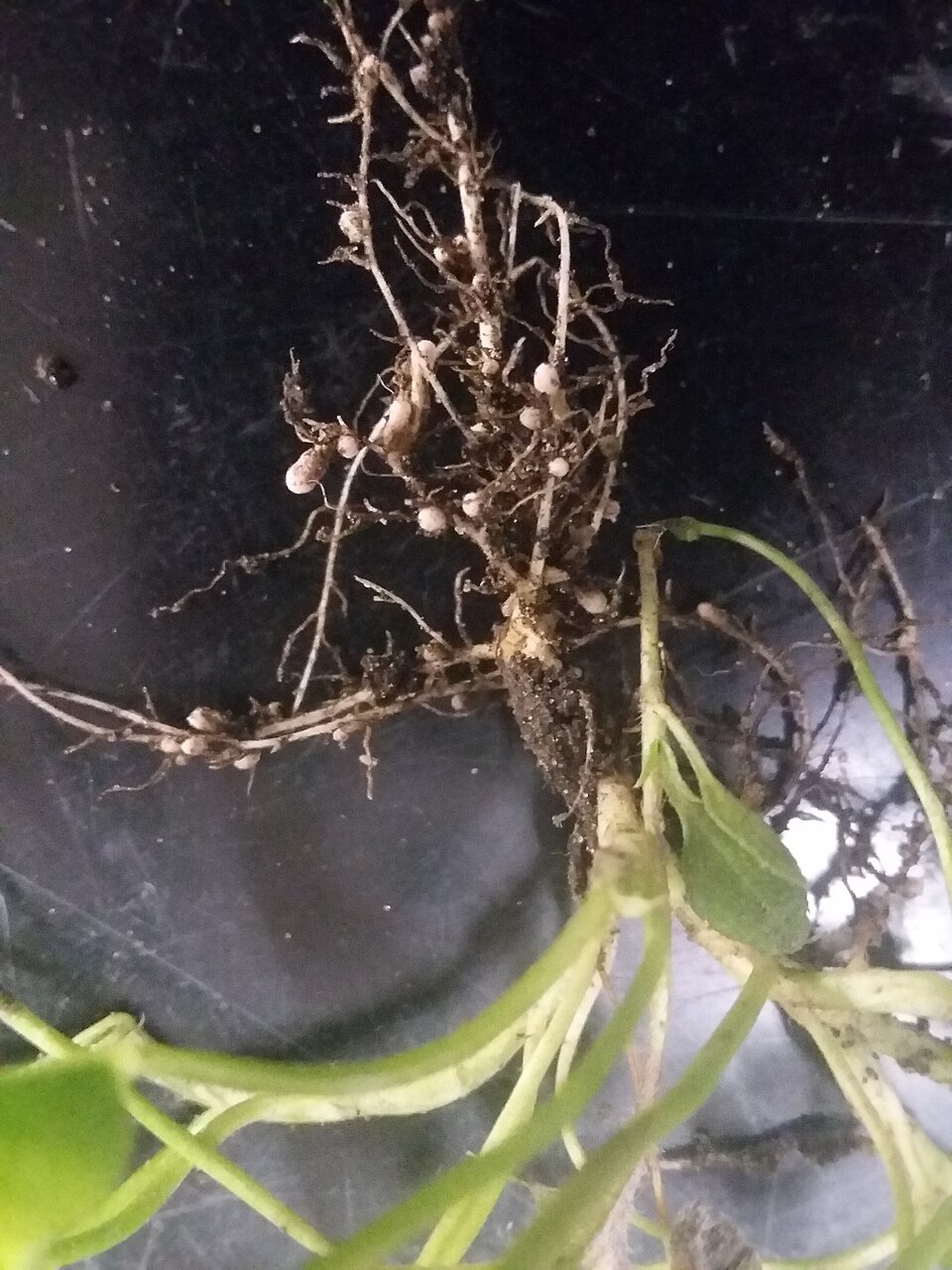
Back to the air. Finally, in denitrification, other bacteria turn nitrates back into nitrogen gas, which returns to the air. This closes the loop. Denitrification is common in waterlogged, oxygen-poor soils, such as paddy fields.
What humans have changed. Farmers grow pulses in rotation with cereals because their root nodules enrich the soil with nitrogen at no cost. Chemical fertilisers have greatly raised harvests, but when too much is applied, the extra nitrogen washes into rivers and lakes and feeds algae. Balancing fertiliser use is therefore both a farming and an environmental issue.
The water cycle: why fresh water is so precious
The water cycle is the one cycle you can watch with your own eyes. The Sun heats the sea, water evaporates, clouds form, rain falls, and rivers carry the water back to the sea. Two forces drive this whole cycle: solar energy, which lifts water into the air, and gravity, which brings it back down and makes it flow.
Where the water is. By one widely used estimate, about 96.5 per cent of all of Earth's water is salty and lies in the oceans. Of the small share that is fresh, about 69 per cent is locked up in ice caps and glaciers, and about 30 per cent is underground as groundwater. The rivers and lakes we depend on every day hold only a tiny fraction of all the water on the planet.
Why this matters for India. Because surface fresh water is so scarce, groundwater becomes the backbone of drinking water and irrigation. When we pump it out faster than rain can refill it, water tables fall, wells dry up and coastal aquifers turn salty. Melting glaciers, meanwhile, threaten the long-term flow of the Himalayan rivers.
The cycle and other cycles. Water also carries the other cycles along. It dissolves nutrients, carries them into the soil by leaching and washes them into rivers. So when the water cycle changes, through deforestation, paving of cities or climate change, nutrient cycles change too.
The phosphorus cycle: the slow, rocky loop
Phosphorus is needed for bones, teeth, DNA and the molecules that carry energy inside cells. Unlike carbon and nitrogen, it does not have a major gaseous form in the air. Its reservoir is the Earth's crust, which makes it the classic sedimentary cycle.
How phosphorus moves. Rain and weather slowly break down rocks, releasing phosphates into the soil. Plants absorb them, animals eat the plants, and decomposers return phosphates to the soil when the plants and animals die. Some phosphate washes into rivers and the sea, where it settles as sediment and may take millions of years to become rock again.
Why it is often in short supply. Because rocks release phosphorus slowly, it is often the nutrient that limits how much plants can grow. Farmers therefore add phosphate fertiliser, much of it made from mined rock. Deposits of good-quality phosphate rock are found in only a few countries, so many countries, including India, depend heavily on imports.
When there is too much. Phosphorus that washes off farms, along with detergents and sewage, can overload lakes and ponds. Together with nitrogen, it feeds a rapid growth of algae, a problem called nutrient enrichment, which uses up the oxygen when the algae die and rot. So the same element that is scarce on the farm becomes a pollutant in the lake.
Productivity and ecosystem services: what the cycles give us
All these cycles together keep plants growing. The amount of new plant matter produced in a given area over a given time is called primary productivity. It shows how much food and raw material an ecosystem makes available each year.
Land and sea compared. The whole living world produces about 170 billion tonnes of plant matter (dry weight) every year as net primary production. The oceans cover about 70 per cent of the Earth's surface, yet they contribute only about 55 billion tonnes. The open sea is poor in nutrients such as nitrogen and phosphorus, so most of it is a kind of watery desert.
Ecosystem services. The products of these natural processes are called ecosystem services. Forests purify air and water, wetlands soak up floods, soils recycle nutrients and insects pollinate crops. People get these services free, which is why they are easy to overlook until they disappear.
Why the idea matters for policy. When a wetland is filled for housing, the city loses free flood control and must build costly drains instead. Putting a value on ecosystem services helps governments weigh such losses before approving a project. This idea underlies payments for conserving forests, green accounting and environmental impact studies.
Mains lens: broken cycles behind today's problems
Most big environmental problems can be explained as a cycle pushed out of balance. Writing them this way gives your answer a scientific spine. Here are four links you should be able to draw.
1. Climate change is a carbon-cycle problem. Humans move carbon from underground stores into the air far faster than plants and oceans can absorb it. Protecting forests, restoring wetlands and cutting fossil fuel use all work on the same cycle. Use this framing for GS-III questions on climate and energy.
2. Fertiliser balance is a nitrogen- and phosphorus-cycle problem. Too little fertiliser keeps yields low, while too much pollutes rivers, lakes and groundwater. Soil testing, pulses in crop rotation and balanced use of nutrients fix the cycle at the farm.
3. The water crisis is a water-cycle problem. Fresh water is a very small share of all water, and groundwater is being pumped faster than rain refills it. Rainwater harvesting, recharge structures and efficient irrigation repair the cycle locally.
4. Valuing ecosystem services. Cycles run free of charge, so markets ignore them until they fail. Valuing the services of forests and wetlands makes their loss visible in decisions on land and projects. This argument fits questions on development versus environment and on environmental impact assessment.
Mains ಅಭ್ಯಾಸ: ಆರು ಪ್ರಶ್ನೆಗಳು, ಆರು ದೃಷ್ಟಿಕೋನಗಳು
These are practice questions written by us, not past papers. Past questions from each exam appear in the PYQ panel of this module.
| Angle | Question | Key points to cover |
|---|---|---|
| Concept | Distinguish between gaseous and sedimentary nutrient cycles with examples. | Define reservoir and cycling pools. Then contrast the atmospheric reservoir of carbon and nitrogen with the crustal reservoir of phosphorus, and explain why speed and spread differ. |
| Climate | How have human activities altered the carbon cycle? | Describe the natural flows of photosynthesis, respiration, decomposition and combustion. Then explain fossil fuel burning and deforestation, and suggest protecting sinks and cutting emissions. |
| Agriculture | Explain the role of legumes in the nitrogen cycle and in sustainable farming. | Explain fixation by Rhizobium in root nodules and the steps of the cycle. Then link crop rotation to lower fertiliser cost and less water pollution. |
| Water | Fresh water is a tiny share of Earth's water. Discuss the implications for India's water security. | Give the share of oceans, ice and groundwater. Then discuss groundwater over-use and glacier melt, and suggest recharge, rainwater harvesting and efficient irrigation. |
| Pollution | How does the excessive use of fertilisers disturb nutrient cycles? | Explain run-off of nitrogen and phosphorus into water bodies and the growth of algae that uses up oxygen. Then suggest soil testing and balanced fertiliser use. |
| Way forward | What are ecosystem services? Why should they be valued in development decisions? | Define the term with the example of forests purifying air and water. Then use the wetland and flood example and argue for valuation in project approvals. |
How to use this table: each answer should first explain the what, then give the why from this chapter, and end with a way forward.
Quick revision
- Energy flows one way, while nutrients cycle, and living things need more than 40 elements.
- Each cycle has a large, slow reservoir pool and a small, fast cycling pool.
- Gaseous cycles (carbon, nitrogen) have reservoirs in the air or oceans, while sedimentary cycles (phosphorus) have reservoirs in the Earth's crust.
- Decomposition runs fragmentation → leaching → catabolism → humification → mineralisation, and it needs oxygen.
- Carbon leaves the air by photosynthesis and returns by respiration, decomposition and combustion.
- Nitrogen is fixed by lightning, industry and bacteria (Rhizobium in legumes), and denitrification returns it to the air.
- The water cycle runs on solar energy and gravity; about 96.5% of water is in the oceans, and most fresh water is in ice, then groundwater.
- Annual net primary production is about 170 billion tonnes, of which the oceans give only about 55 billion tonnes.
- Ecosystem services are the products of natural processes.
KPSC KAS questions from this chapter
With suitable examples, describe human perturbation to the global carbon cycle.