

Module 1 · 15 min read · Free chapter
ವೈದ್ಯಕೀಯ ಜೈವಿಕ ತಂತ್ರಜ್ಞಾನ: ಜೀನ್ ಚಿಕಿತ್ಸೆ, CAR-T, ಸ್ಟೆಮ್ ಸೆಲ್ಗಳು ಮತ್ತು ಲಸಿಕೆಗಳು
Medical biotechnology uses genes and cells to treat disease. India ran its first gene therapy trial for haemophilia A at CMC Vellore and launched NexCAR19, its first home-grown CAR-T cancer therapy, in April 2024. BIRSA 101, a CRISPR therapy for sickle cell disease, followed in November 2025. India also built DNA, mRNA, protein and nasal COVID-19 vaccines.
Start from zero: when the body's own code goes wrong
Most medicines work from the outside. A tablet blocks a germ or eases pain, but it does not change the cause inside our cells. For diseases caused by a faulty gene, this means patients need treatment for their whole lives.
Medical biotechnology uses living cells, genes and the tools of genetic engineering to prevent, find and treat disease. It includes therapies that fix or add genes, cells trained to fight cancer, stem cells that rebuild tissue, and new kinds of vaccines. Some of these can treat a disease once instead of managing it forever.
India has moved quickly in this field over the last few years. It has run its first gene therapy trial, launched home-grown cancer cell therapies, built a CRISPR therapy for sickle cell disease, and made four new kinds of COVID-19 vaccines. This chapter explains how each works and why it matters for India.
Gene therapy: fixing disease at its root
What it is. Gene therapy treats a disease by adding a working gene, or by repairing or switching off a faulty one, inside a patient's cells. If the body lacks a protein because of a broken gene, giving the cells a working copy lets them make the protein again. The aim is a long-lasting fix, not regular doses.
How genes are delivered. A gene cannot simply be swallowed. Scientists use a vector, a carrier that takes the gene into cells. Many vectors are made from viruses whose disease-causing parts have been removed, so they can enter cells but cannot cause illness.
The haemophilia A example. In haemophilia A, the blood cannot clot properly because the body lacks Factor VIII, a clotting protein. Patients bleed for a long time after small injuries and often need costly injections of the factor. India conducted its first human clinical trial of gene therapy for haemophilia A at Christian Medical College (CMC), Vellore.

How the trial worked. Doctors took the patient's own haematopoietic stem cells, the cells in bone marrow that make all blood cells. A lentiviral vector added a Factor VIII gene to these cells, which were then returned to the patient. The new blood cells made Factor VIII themselves. The trial, supported by DBT, showed stable production of Factor VIII and was published in the New England Journal of Medicine.
The rules. Gene therapy in India follows the National Guidelines for Gene Therapy Product Development and Clinical Trials, 2019, issued by CDSCO, ICMR and DBT. Final approval for a product comes from CDSCO, the national drug regulator, under the New Drugs and Clinical Trials Rules, 2019.
CAR-T cell therapy: training the immune system to hunt cancer
The idea. Our immune system has T cells, white blood cells that kill infected or abnormal cells. Cancer cells often escape them because they look too much like normal cells. CAR-T therapy gives T cells a new "sensor" so that they can find and kill cancer cells.
How it is made. Doctors collect a patient's own T cells from the blood. In a lab, a gene for a chimeric antigen receptor (CAR) is added, which lets the T cell lock onto a marker on cancer cells. For many blood cancers, this marker is CD19, found on certain white blood cells called B cells. The modified cells are grown in large numbers and put back into the patient, where they hunt the cancer.
Why it was out of reach. CAR-T is one of the biggest advances in cancer care, but abroad it has been extremely costly and beyond the reach of most patients. Each dose is made separately for one patient from that patient's own cells, which makes it hard to produce cheaply.
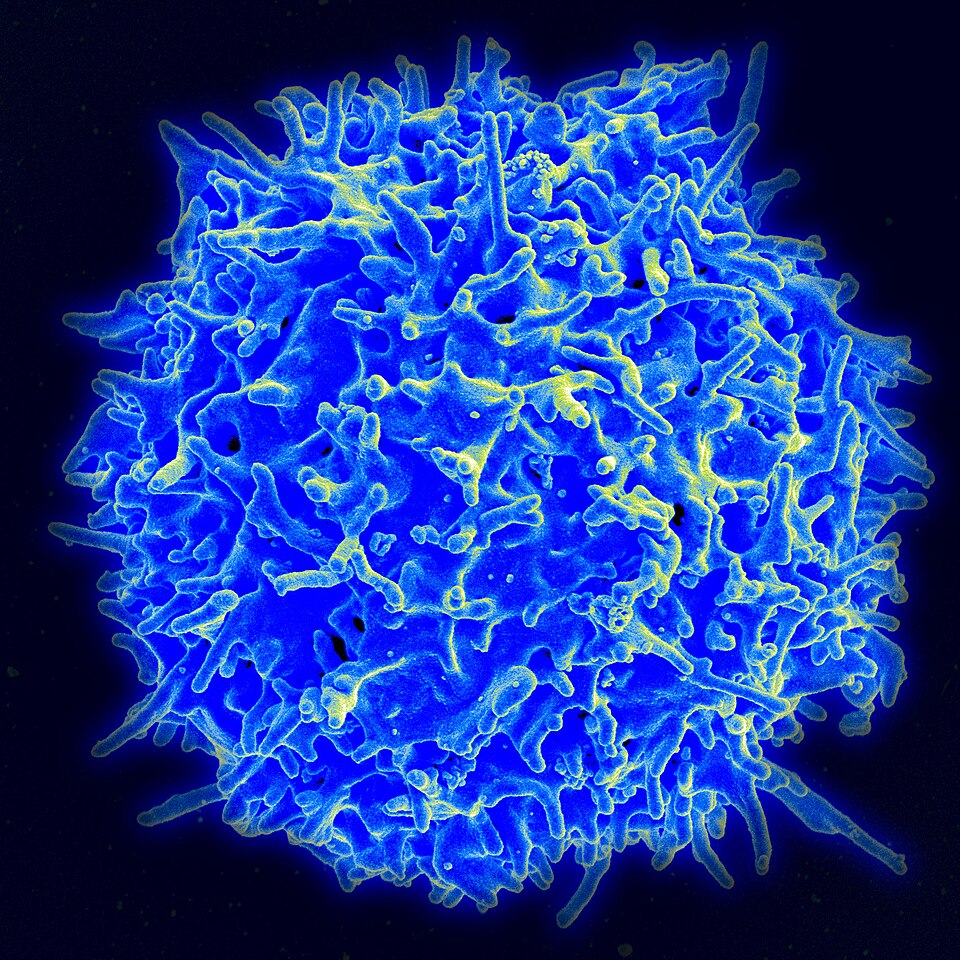
India's answer. NexCAR19, India's first home-grown CAR-T cell therapy, was developed by IIT Bombay, Tata Memorial Centre and ImmunoACT, a company spun out of IIT Bombay in 2018. The President launched it at IIT Bombay on 4 April 2024, and it is described as the world's most affordable CAR-T therapy. Two anti-CD19 CAR-T products supported by BIRAC, Qartemi and NexCAR19, are now commercially available for treating specific blood cancers.
Sickle cell disease: a mission and a CRISPR cure
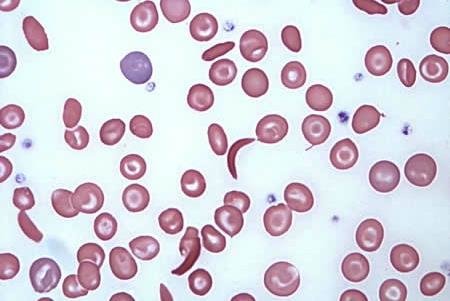
What the disease is. Sickle cell disease is a lifelong single-gene disorder of the blood. A small change in the gene for haemoglobin makes red blood cells stiff and curved like a sickle, instead of round and flexible. These cells block small blood vessels, causing pain, anaemia, infections and organ damage.
How it passes on. A child gets the disease when it inherits the faulty gene from both parents. A person with one faulty copy is a carrier who is usually healthy but can pass the gene on. This is why screening and counselling before marriage or childbirth can prevent new cases.
Why it matters for India. The disease particularly affects India's tribal population. To tackle it, the Prime Minister launched the National Sickle Cell Anaemia Elimination Mission on 1 July 2023 at Shahdol, Madhya Pradesh. Its goal is to end the genetic transmission of the disease by 2047. It planned to screen about 7 crore people aged 0–40 years over three years in 17 high-focus states.
A CRISPR therapy from India. On 19 November 2025, India launched BIRSA 101, its first indigenous CRISPR-based gene therapy for sickle cell disease. It was developed by CSIR-IGIB on its own enFnCas9 gene-editing platform and named after Bhagwan Birsa Munda. The technology was transferred to the Serum Institute of India for production. Similar therapies abroad cost about ₹20–25 crore, so a home-grown version could make a cure far more affordable.
Stem cells: promise and caution
What stem cells are. Most cells in our body have one fixed job, like a muscle cell or a nerve cell. Stem cells are special because they can divide to make more of themselves and can turn into other kinds of cells. This makes them the body's natural repair kit.
Kinds of stem cells. Embryonic stem cells, from very early embryos, can become almost any cell type, but their use raises ethical questions. Adult stem cells, such as the haematopoietic stem cells in bone marrow, are more limited; for example, blood stem cells make all types of blood cells. Scientists can also reprogramme ordinary adult cells back into a stem-cell-like state in the lab.
What is actually approved in India. Stem cell treatment in India is still largely in research mode. The only permitted routine use is bone marrow (haematopoietic) stem cell transplantation for blood disorders, including blood cancers and thalassaemia. All other uses are allowed only in clinical trials that follow the National Guidelines for Stem Cell Research, 2017, released on 11 October 2017.
Why this caution matters. Some clinics advertise "stem cell cures" for many diseases without proof. Such treatments can be costly and unsafe, and they exploit desperate patients. Knowing what is approved protects patients and supports genuine research.
New vaccine platforms: DNA, mRNA, protein and nasal
How any vaccine works. A vaccine safely shows the immune system a part of a germ, so that the body learns to recognise it. If the real germ attacks later, the body fights it off quickly. Vaccines differ in how they deliver this "training" signal.
Four platforms India built for COVID-19. Under the Department of Biotechnology's Mission COVID Suraksha, India developed four new vaccines.
- ZyCoV-D (DNA vaccine): made by Zydus Cadila, it delivers a ring of DNA (a plasmid) that makes the body produce the virus's spike protein. It received emergency use authorisation on 20 August 2021, becoming the world's first DNA vaccine for COVID-19.
- CORBEVAX (protein subunit vaccine): India's first protein subunit vaccine, which gives the body a purified piece of the virus's protein directly.
- GEMCOVAC-19 (mRNA vaccine): India's first mRNA vaccine, which delivers the message (mRNA) that tells cells to make the spike protein for a short time.
- iNCOVACC (intranasal vaccine): developed by Bharat Biotech with BIRAC support, it is given through the nose, so it needs no syringes or needles.
Why these platforms matter. DNA and mRNA vaccines can be redesigned quickly when a new virus or variant appears, because only the genetic code needs to change. Nasal vaccines may build protection where the virus first enters and are easier to give in mass campaigns. Having these platforms at home means India can respond faster to future pandemics.
Implications: cost, access, ethics and rules
These advances can change how India treats serious diseases. But a therapy helps only if people can reach it safely and afford it. UPSC answers should weigh both the promise and the problems.
1. Affordability. Cell and gene therapies abroad can cost crores of rupees per patient. Home-grown products like NexCAR19 and BIRSA 101 show that Indian research can bring such costs down sharply, which matters in a country where most health spending is out of pocket.
2. Equity. Diseases like sickle cell mainly affect tribal and poorer communities. Screening missions, local manufacturing and public funding are needed so that new cures do not reach only the rich and the cities.
3. Ethics and safety. Changing human genes raises questions about long-term effects, consent and fairness. Scientists draw a key line between therapy in body cells, which affects only the patient, and changes that could pass to future generations. This is why careful trials and ethics review are required.
4. Regulation and trust. Strong rules, such as the 2019 gene therapy guidelines, the 2017 stem cell guidelines and CDSCO approval, protect patients from unproven "cures". Clear and fast approvals also help genuine Indian innovators bring products to market.
5. Self-reliance and health security. The pandemic showed the value of making vaccines and advanced therapies at home. Platforms built for COVID-19 can be used against future outbreaks, and biotech manufacturing can create jobs and exports.
Mains lens: one debate and three kinds of questions
GS-III covers "achievements of Indians in science and technology" and "awareness in biotechnology". GS-II covers "issues relating to health". A strong answer links the science to cost, access and Indian examples.
The questions in this section are practice questions written by us, not past papers.
Debate: should India push hard on costly cell and gene therapies when basic health care is still weak?
- Yes: home-grown versions cut costs sharply, cure lifelong diseases, and build a strategic biotech industry.
- No: scarce public money may do more good in primary care, nutrition and screening.
- Balanced view: fund both, but focus advanced therapies on high-burden diseases like sickle cell, and pair them with screening, insurance cover and local manufacturing.
Question type 1: "Explain" (the concept question). Example: What is CAR-T cell therapy? How has India made it more affordable?
- Intro: Define CAR-T as a therapy that re-engineers a patient's own T cells to attack cancer.
- Body: Explain the CAR gene and the CD19 target, then NexCAR19 (IIT Bombay, Tata Memorial Centre, ImmunoACT, 4 April 2024) and Qartemi.
- Conclusion: Note remaining needs, such as more cancer types and wider hospital access.
Question type 2: "Discuss" (the programme question). Example: Discuss India's strategy to eliminate sickle cell disease by 2047.
- Intro: Describe sickle cell as a single-gene disorder that mainly affects tribal communities.
- Body: Explain the 2023 mission (screening 7 crore people aged 0–40 in 17 states, counselling) and BIRSA 101 (CSIR-IGIB, CRISPR, 2025).
- Conclusion: Stress community awareness, carrier counselling and affordable treatment.
Question type 3: "Critically examine" (the both-sides question). Example: "Stem cell therapy holds great promise but also great risk." Critically examine with reference to India.
- Promise: repair of damaged tissue; bone marrow transplants already save lives in blood cancers and thalassaemia.
- Risk: most uses are unproven; unregulated clinics exploit patients; embryonic cells raise ethical issues.
- Way forward: enforce the 2017 guidelines, allow other uses only in trials, and build public awareness.
Useful keywords: gene therapy, vector, lentivirus, Factor VIII, CAR-T, CD19, personalised medicine, single-gene disorder, carrier screening, CRISPR, stem cells, haematopoietic, DNA vaccine, mRNA vaccine, protein subunit, intranasal, CDSCO, NDCT Rules 2019.
Previous years' questions
This section shows the real past questions on this chapter for the exam you have chosen. Each question is copied word for word from the official paper, with the year and paper, so that you can see how the topic is actually asked.
Questions are being collected from the official UPSC and BPSC papers. They will appear here once each one is checked against the original paper.
Quick revision
- Gene therapy adds or fixes a gene using a vector. India's first trial was for haemophilia A at CMC Vellore, using a lentiviral vector in the patient's own blood stem cells.
- CAR-T re-engineers a patient's own T cells to target CD19 on blood cancer cells. NexCAR19 (IIT Bombay, TMC, ImmunoACT) was launched on 4 April 2024, and Qartemi is also available.
- Sickle cell is a single-gene disorder. The mission was launched on 1 July 2023 at Shahdol, aims to end transmission by 2047, and planned to screen 7 crore people aged 0–40.
- BIRSA 101 (CSIR-IGIB, CRISPR, enFnCas9) was launched on 19 November 2025.
- Stem cells: only bone marrow transplants for blood disorders are routine; other uses are allowed only in trials (2017 guidelines).
- Mission COVID Suraksha: ZyCoV-D (DNA, world's first, Aug 2021), CORBEVAX (protein subunit), GEMCOVAC-19 (India's first mRNA), and iNCOVACC (nasal).