

TNPSC Group 1 · Module 7 · Mains depth · 21 min
மூன்று கர்நாடகப் போர்கள்: தெற்கிற்காக ஆங்கிலேயரும் பிரெஞ்சுக்காரரும் மோதல்
What TNPSC Group 1 asks from this chapter
Syllabus lines this chapter covers:
- Part A: General Studies · இந்திய வரலாறும் பண்பாடும், இந்திய தேசிய இயக்கமும்.
- தாள் II: GS I · இந்தியாவின் நவீன வரலாறும் இந்தியப் பண்பாடும்.
TNPSC Group 1 questions from this module are being sorted into our bank.
Read at full depth: basics, the standard layer and the Mains analysis.
Start from zero: why would traders fight a war?
Imagine two big shops in one market that buy cloth from the same weavers. Each shop knows that if the other closes, it alone can set the price. So each one looks for a way to push the other out.
Now imagine the market's own leaders start quarrelling over who should be the next head. One shop backs one candidate, and the other shop backs the rival. Each hopes that if its candidate wins, he will reward it with special rights and shut out the other shop.
This is the story of the Carnatic Wars. Two European trading companies, the English and the French, fought three wars in south India between 1740 and 1763. They fought partly because their countries were at war in Europe, and partly because they took sides in quarrels over Indian thrones.
As you read, keep three questions in mind:
- Why did two trading companies fight at all?
- Why did the English win?
- What did these wars teach the Europeans about Indian armies?
The last question is the most important, because its answer shaped the rest of the 18th century.
The three wars at a glance
Before the details, here is the whole story in one table. Each war is explained later in this chapter.
| War | Years | What started it | How it ended |
|---|---|---|---|
| First | 1740-48 | The War of Austrian Succession in Europe set the two companies against each other. | The French took Madras, but the treaty of Aix-la-Chapelle gave it back to the English. |
| Second | 1751-55 | Quarrels over the thrones of the Carnatic and Hyderabad drew both companies in. | Clive's success at Arcot turned the war, Dupleix was recalled, and both sides agreed to stay out of princes' quarrels. |
| Third | 1758-63 | The Seven Years' War in Europe brought the two sides into open war again. | Eyre Coote won at Wandiwash in January 1760, Pondicherry fell in 1761, and the French were left only as traders. |
The pattern is worth noticing. The first and third wars began in Europe, but the second began in India. That middle war shows the companies learning to play Indian politics for their own gain.
Why the south, and why fight?
The south was the French heartland. South India was the main arena of French activity in India. Their capital, Pondicherry, stood on the south-eastern coast, close to the English base at Madras. The French also had great influence at the courts of Hyderabad and Mysore.
Why must one company remove the other? A trading company of this age made the most money when it had a monopoly, the only right to buy and sell. Two rivals buying the same goods pushed up prices for both. So, to establish supremacy, the English company had to remove French influence from the region.
Why was the Carnatic unstable? The Carnatic was a province under the Subadar of the Deccan, also known as the Nizam of Hyderabad. It was ruled by a Nawab based at Arcot. Because the Nizam was busy with the Marathas and northern India, the Nawab of the Carnatic was almost independent.
A region in turmoil. In 1740 the Marathas invaded the Carnatic and killed the Nawab, and they took his son-in-law Chanda Sahib prisoner. In 1743 the Nizam appointed Anwar-ud-din Khan as the new Nawab.
Then in 1748 the Marathas freed Chanda Sahib, and in the same year the great Nizam Asaf Jah Nizam-ul-Mulk died. Two thrones, the Carnatic and Hyderabad, were now open to rival claimants.
What did this mean for the Europeans? Chaotic conditions in Hyderabad and the Carnatic gave both companies a chance to meddle in Indian affairs. Wars in Europe gave them a reason to fight, and quarrels over Indian thrones gave them a way to win land and influence. These two forces drove the three Carnatic Wars.
The First Carnatic War (1740-48): a lesson in Indian weakness
A European war comes to India. The War of Austrian Succession in Europe put Britain and France on opposite sides. The French in India, aware that they were weaker, at first tried to keep the war out of India. But the English seized some French ships off the south-east coast, which was a deliberate provocation.
Madras falls. The French had no fleet in India, so they waited for one from Mauritius. When it arrived, the French attacked by land and sea, and Madras surrendered within a week. The First Carnatic War had begun.
The Nawab steps in, and loses. The English appealed to the Nawab of the Carnatic, Anwar-ud-din, for protection, since Madras lay in his territory. He asked the French governor Dupleix to lift the siege, but the French ignored him. So the Nawab sent a large army against the French force at Madras, and it suffered a humiliating defeat.
Why does this small battle matter so much? It showed the Europeans that a small, disciplined European force could beat a much larger Indian army. The Nawab had no navy and no answer to European drill and firepower. This knowledge became very useful to the Europeans in their later dealings with Indian princes.
A quarrel among the French. The French fleet was led by Admiral La Bourdonnais, who refused to take orders from Dupleix. Without consulting Dupleix, he made a deal to return Madras to the English for a ransom of £400,000. Dupleix, who would not have returned Madras at any price, attacked it again in September 1746, and it surrendered just as easily.
Stalemate and peace. The French then besieged the English post of Fort St. David, south of Pondicherry.
This time the English were ready, and the siege dragged on for 18 months without success. The war ended when the European war ended, and the treaty of Aix-la-Chapelle restored the English possessions, including Madras.
Who did better? The French did better in this war despite their weak navy. One view holds that the English would have been ruined in India but for the quarrel between Dupleix and La Bourdonnais.
However, the official British historian P.E. Roberts called this an exaggeration, because the fighting affected only one English presidency, and the weakest one.
The Second Carnatic War (1751-55): playing king-maker
A war born in India. This time no European war started the fighting. The rivalry in India had become a life-and-death struggle for both companies, and the open thrones of the Carnatic and Hyderabad gave them the chance.
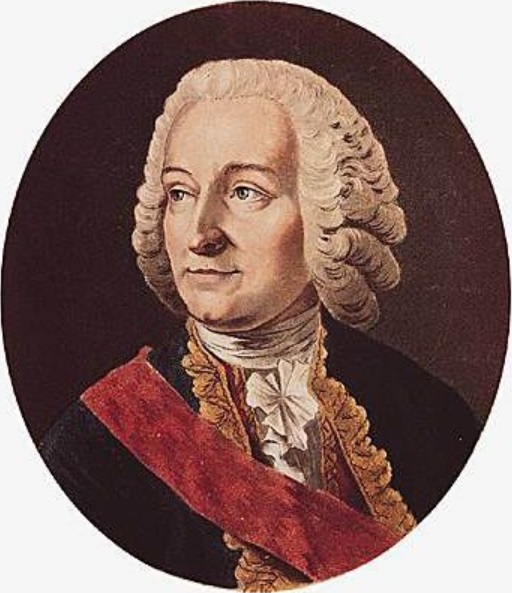
Dupleix backs two claimants. In Hyderabad, the old Nizam's son Nasir Jang took the throne, but his relative Muzaffar Jang claimed it too. In the Carnatic, Chanda Sahib wanted to replace Anwar-ud-din. Dupleix made secret treaties to put both Chanda Sahib and Muzaffar Jang on their thrones.
The French rise. In August 1749, the three allies defeated and killed Anwar-ud-din at the battle of Ambur. His son Muhammad Ali fled to Trichinopoly, and Chanda Sahib became Nawab of the Carnatic. When Nasir Jang died in 1750, Muzaffar Jang became Subadar of the Deccan.
The French reward. Muzaffar Jang rewarded his allies richly. Dupleix was made governor of the Mughal lands south of the river Krishna, and the French received territory near Pondicherry and on the coast, including Masulipatam.
Dupleix also sent his best officer, Bussy, with a French army to Hyderabad. For a moment it seemed the English position at Madras was about to be lost.
The English fight back. A more energetic governor, Saunders, took charge at Madras in September 1750 and decided to back Muhammad Ali at Trichinopoly. Some Indian chiefs, including the Maratha leader Morari Rao, also helped Muhammad Ali and the English.
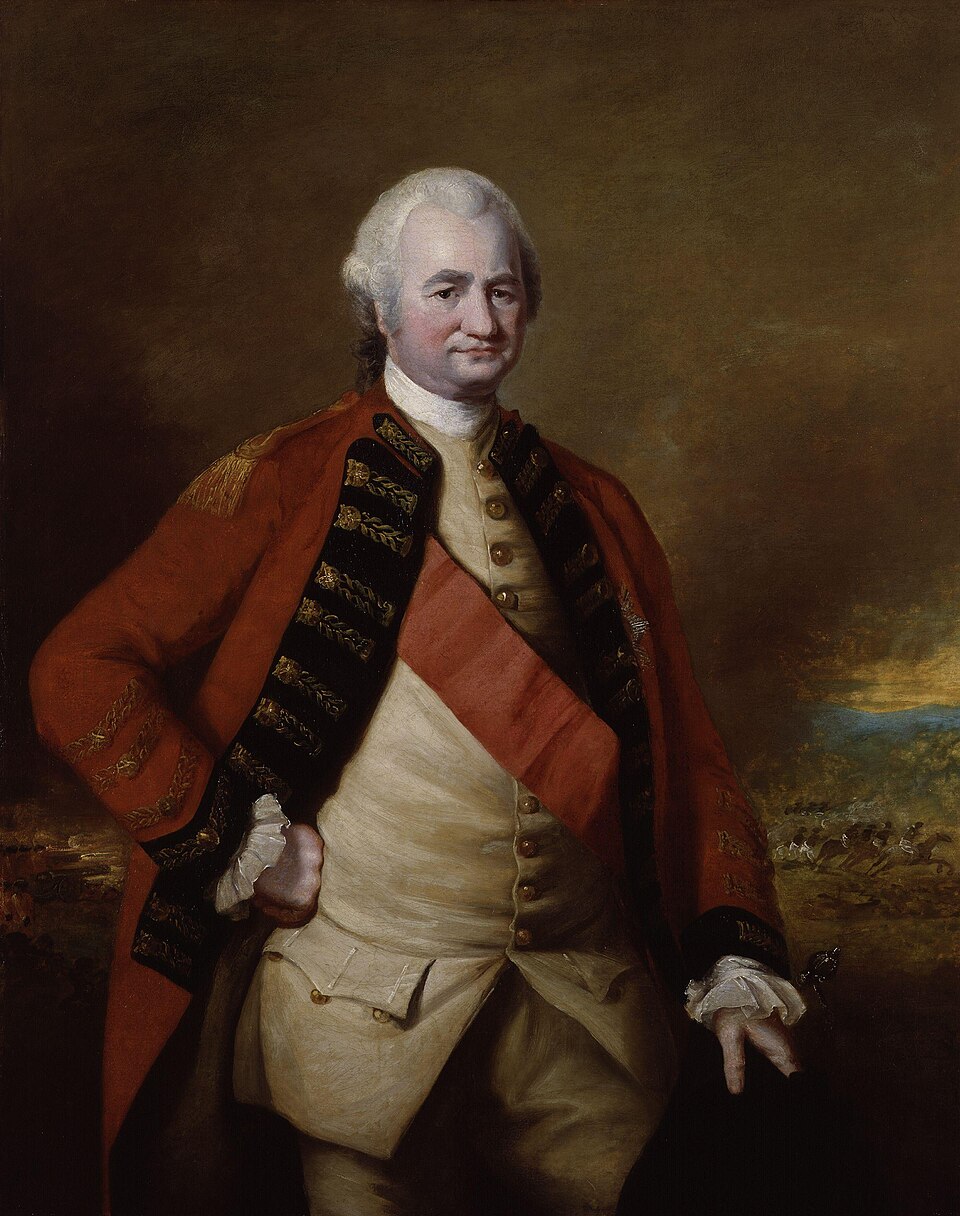
Clive's bold move at Arcot. The French and Chanda Sahib were besieging Trichinopoly. Clive proposed a clever plan: instead of attacking the besiegers, strike at Arcot, Chanda Sahib's capital, so he would have to send troops home to defend it. Clive took Arcot with just 200 European and 300 Indian soldiers, and his force held out through 53 days of fighting.
Why did Arcot work? It forced the enemy to split its forces and shook French confidence. The French general Law gave up the siege of Trichinopoly and later surrendered on 9 June 1752. Chanda Sahib also surrendered, and English prestige soared.
Dupleix is recalled. Dupleix kept fighting with new allies, but his wars cost the French company heavily. The French government, annoyed at the losses and afraid of reprisals in America, recalled him.
On 1 August 1754 Godeheu replaced him and made a treaty with the English. Both sides agreed not to interfere in the quarrels of Indian princes, and each kept the land it actually held.
Why was the recall so important? The French company was directly controlled by the French government, which weighed its wider interests in Europe and America above India. The English pressed this advantage, and historians see Dupleix's fall as decisive for the British. Only at Hyderabad did French influence survive, where Bussy held on and obtained the Northern Sarkars, worth over 30 lakh rupees a year.
The Third Carnatic War (1758-63): the end of the French dream
Europe at war again. When the Seven Years' War broke out in Europe in 1756, the French and English settlements in India were drawn into open war once more. In Bengal, the English captured the French base at Chandernagore. This enraged the Nawab of Bengal, Siraj-ud-Daula, and it became one of the strands that led to Plassey.
Lally's difficult start. France sent Count de Lally with an army, and the French at first went on the attack. They quickly took Fort St. David, and Bussy seized English possessions in the north.
But Lally faced serious problems:
- The French company had no money to pay its troops.
- Lally's rude and haughty manner turned his own troops against him.
- His plan to capture Madras failed because the French navy would not support it.
The navy decides. The French admiral d'Ache had been beaten by the English in April 1758. After further heavy losses, he left Indian waters in August 1758.
Lally besieged Madras for three months, but he had to give up when the English fleet returned in February 1759. From then on, the French decline could not be reversed.
A costly mistake at Hyderabad. Lally called Bussy away from Hyderabad, leaving weak commanders there. The English quickly sent an army from Bengal to the Northern Sarkars, took Rajahmundry and Masulipatam, and in 1759 signed a favourable treaty with the Nizam, Salabat Jang. The English now replaced the French at the Hyderabad court.
Wandiwash, 22 January 1760. The decisive battle came at Wandiwash on 22 January 1760, where Sir Eyre Coote routed Lally's army. Within three months, most minor French posts in the Carnatic had fallen.
The English then besieged Pondicherry, which surrendered in January 1761 after a long siege. The French bases of Jinji and Mahe fell too, and for a time the French had no foothold in India at all.
Peace and its meaning. The Treaty of Paris (1763), which ended the Seven Years' War, gave the French factories back. But the French were no longer a political rival. The French East India Company formally ended in 1769, and the French, like the Portuguese and the Dutch, now confined themselves to trade.
Why did the French lose?
The standard list. Textbooks usually give five reasons for the British victory, and you should know all of them:
- A strong navy in India, which could bring men and money and cut off French supplies.
- Growing military strength and good leadership, as shown by Clive at Arcot and Coote at Wandiwash.
- Support from the government in England, which backed a private company that was making money.
- The larger resources of Bengal, which paid for the war in the south.
- The weaknesses of the French side: a state-run company short of money, quarrelling leaders and a navy that came and went.
Which reason mattered most? Historians have weighed each one. Some blame the recall of Dupleix, since French reverses began after he left.
Others point to French naval inferiority, because the French had no permanent fleet in India while the British did. But these are now seen as secondary factors.
The decisive factor: Bengal. What really turned the tide was British access to the resources of Bengal. After Plassey, Bengal's money kept Madras supplied steadily, and it paid for side attacks such as the expedition to the Northern Sarkars.
The French had nothing like this. Their company depended on a government in Paris that had many other worries.
Why does this link matter for your answer? It shows that the Carnatic and Bengal were not separate stories. The English won in the south partly because they had already won in the east. Each gain paid for the next one, and that is how a trading company slowly became an empire.
A note on the English and French companies. Remember also how differently the two companies were built. The English company was private and free to chase profit, while the French company was a child of the state and had to follow its government's wider priorities. That difference explains why Dupleix could be recalled at the height of his success.
What did the Carnatic Wars lead to?
1. The British became the top European power. After the Third Carnatic War, the English were supreme over their European rivals in India. The French, Portuguese and Dutch remained only as traders.
2. Indian weakness was exposed. The wars showed that Indian powers had no navies and so no say in European wars on their coasts. Their large land armies were no match for smaller European forces. In the days of a strong Mughal empire, a prince could expect help from the centre, but that help was now gone.
3. A new game: hiring out armies. Dupleix drew a clear lesson. A small, disciplined European army could tip the balance in quarrels among Indian princes, and many princes now sought European help. The English learnt the same lesson and used it with great effect in Bengal and beyond.
Why does this matter so much? Once a European company could decide who sat on an Indian throne, it could demand land, money and trade rights in return. The British later built on this idea when they placed their troops at Indian courts and made rulers pay for them.
4. The conquest was not yet complete. The British had beaten the French, but not the Indian powers. In the south, Mysore and the Marathas remained major forces. Fighting them became the Company's main concern for the rest of the 18th century.
The big picture. The Carnatic Wars turned the English company from one trader among many into the strongest European power in India. More importantly, they taught the Company that Indian rulers could be made and unmade by force. The story of how it used that lesson in Bengal follows in Bengal: Plassey, Buxar, the Diwani and dual government.
Mains practice: the Carnatic Wars
இவை நாங்கள் எழுதிய பயிற்சி வினாக்கள், முந்தைய தேர்வு வினாத்தாள்கள் அல்ல. உங்கள் தேர்வின் கடந்தகால வினாக்கள் PYQ panel-இல் தோன்றும்.
| Angle | Question | Key points to cover |
|---|---|---|
| Why (causes) | What were the causes of the Anglo-French rivalry in south India? | Explain the drive for monopoly and the French base in the south. Then add the wars in Europe and the succession quarrels in the Carnatic and Hyderabad. |
| Debate | "The recall of Dupleix decided the fate of the French in India." Critically examine. | Give the case for the recall and for naval weakness. Then argue that Bengal's resources were the decisive factor. |
| Comparison | Compare the English and French East India Companies. How did their nature affect the outcome? | Contrast a private company with a state-backed one, and compare fleets and money. Then link this to Dupleix's recall. |
| Implication | What did the Carnatic Wars reveal about Indian states, and how did the Europeans use this? | Point to the Nawab's defeat at Madras, the lack of navies and the end of Mughal support. Then show how Europeans began to make and unmake rulers. |
| Link | "The British won the Carnatic in Bengal." Comment. | Explain how Bengal's money supplied Madras and paid for the Northern Sarkars campaign. Then show how each gain paid for the next. |
இந்த அட்டவணையை எப்படிப் பயன்படுத்துவது: ஒவ்வொரு விடையும் என்ன என்பதை விளக்க வேண்டும், பிறகு ஏன் என்பதை விளக்கி, அது எதற்கு வழிவகுத்தது என்பதுடன் முடிக்க வேண்டும்.
Quick revision
- The First Carnatic War (1740-48) grew out of the War of Austrian Succession, and the French took Madras.
- The Nawab Anwar-ud-din's large army was beaten by a small French force, which showed Europeans how weak Indian armies were.
- The treaty of Aix-la-Chapelle gave Madras back to the English.
- The Second Carnatic War (1751-55) arose from succession quarrels, and Dupleix backed Chanda Sahib and Muzaffar Jang.
- Anwar-ud-din was killed at Ambur (August 1749), and Clive seized Arcot with 200 European and 300 Indian soldiers.
- Dupleix was recalled, and Godeheu replaced him on 1 August 1754.
- The Third Carnatic War (1758-63) was linked to the Seven Years' War, and the English took Chandernagore in Bengal.
- Sir Eyre Coote won at Wandiwash (22 January 1760), and Pondicherry fell in 1761.
- The Treaty of Paris (1763) returned the French factories, and the French company ended in 1769.
- The decisive reason for the British victory was Bengal's resources.