

HPSC HCS · Module 18 · Mains depth · 18 min
Folk and tribal dances of India
What HPSC HCS asks from this chapter
Syllabus lines this chapter covers:
- Prelims Paper I: General Studies · Indian culture, polity and economy
- Mains · GS I: culture, modern and world history, society, geography, Haryana issues
HPSC HCS questions from this module are being sorted into our bank.
Read at full depth: basics, the standard layer and the Mains analysis.
Start from zero: dance that belongs to everyone
Think of a wedding in your village, or Holi in your town. People dance without a stage, a guru or a ticket. That is folk dance: dance that belongs to a whole community.
Three families. Indian dance is commonly grouped into three families. Classical dances, which you studied in the last two chapters, follow texts, are taught by gurus and are watched on a stage. Folk dances belong to villages and towns, and tribal dances belong to tribal communities, often tied to their gods, forests and clans.
Why folk dances exist. Folk and tribal dances are tied to the rhythm of life. People dance when seeds are sown, when the harvest comes in, when the season turns, at weddings and births, and to honour gods. The dance gives thanks, asks for rain, prepares for war or simply celebrates.
How they are learnt. No one goes to a school for Bihu or Karma. Children learn by watching and joining in, year after year. This makes folk dance strong when community life is strong, and fragile when it weakens.
Borrowing both ways. The line between the families is not fixed. Classical dances took steps from folk life, and Chhau, a folk-tribal form, has a grammar so rich that some call it semi-classical. Keep this in mind as you read.
East and north-east: Bihu, bamboo and harvest
Bihu of Assam. Bihu is the best-known dance of Assam. It is performed at Bohag Bihu, also called Rongali Bihu, in mid-April, when the Assamese new year begins and fields are ready for sowing. Young men and women dance with quick hip and hand movements, and groups called husori go from house to house singing.
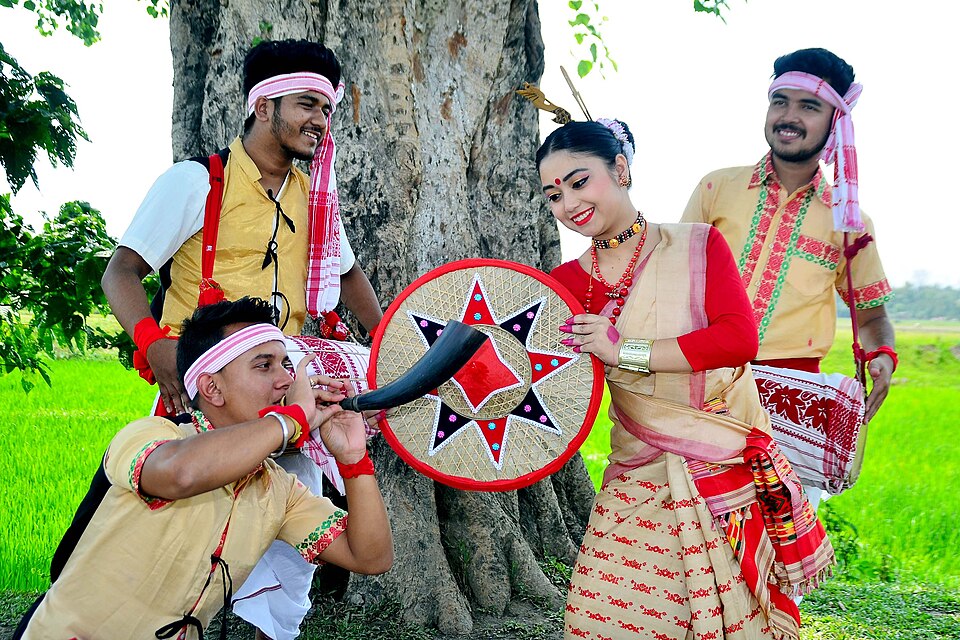
Bihu music. The dhol drum sets the beat. The pepa, a pipe made of buffalo horn, gives Bihu its famous sound. Other instruments include the toka (a bamboo clapper), the gogona (a reed instrument) and the bahi (flute).
Mizoram and Meghalaya. Cheraw, the bamboo dance of Mizoram, is performed with long bamboo poles held by people sitting on the ground. They clap the poles together in rhythm, and dancers step in and out between them. In Meghalaya, the Garo people dance Wangala, a harvest festival dance in honour of the sun god.
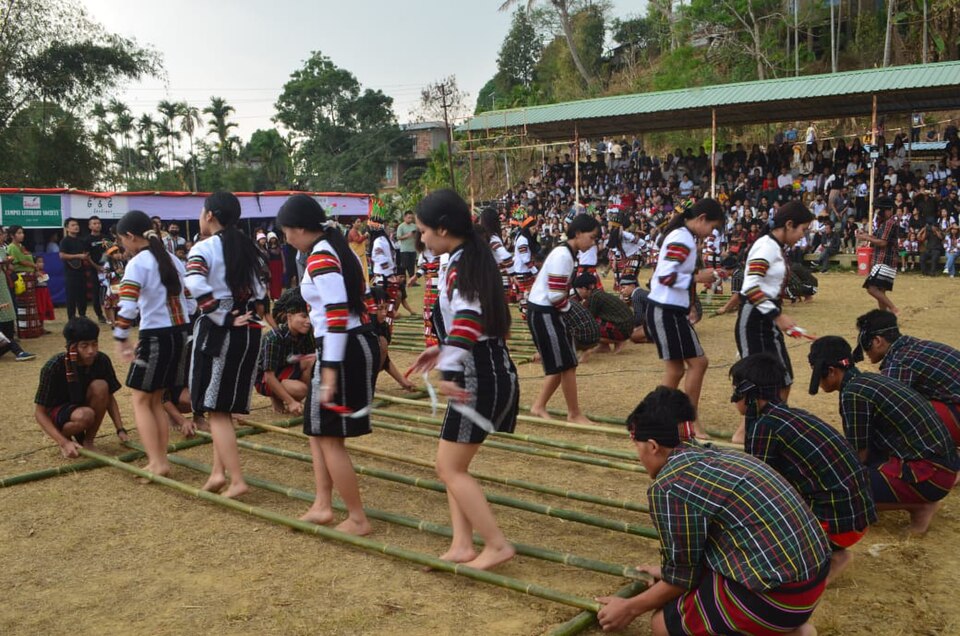
Nagaland. Nagaland has around thirty dances. The Ao people dance Moatsu Mong after the sowing season and Tsungrem Mong on the eve of the harvest. War dances of the Sumi and Sangtam recall the old warrior life of the hills.
Sikkim and Manipur. In Sikkim, the Bhutia and Lepcha communities have their own dances. In Manipur, besides the classical Manipuri, Thang-Ta, a martial art with sword and spear, is performed almost like a dance.
The Chhau belt and the dances of Jharkhand
What Chhau is. Chhau is a dance-drama of eastern India that tells stories from the Mahabharata, Ramayana and local folklore. It has strong martial and tribal roots: its steps come from mock combat, the movements of animals and birds, and village chores. It is danced mainly by men, at night, in an open space.
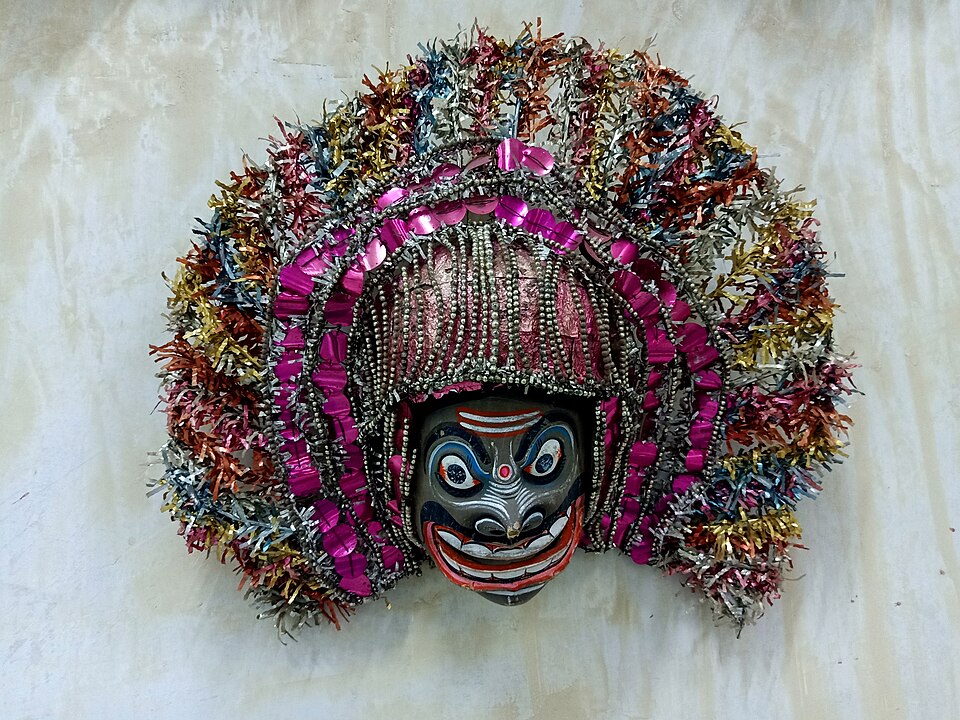
Three styles, three places. Chhau has three styles, named after the places where they grew. Seraikella Chhau is from Jharkhand, Purulia Chhau from West Bengal and Mayurbhanj Chhau from Odisha. The first two use masks; Mayurbhanj dancers perform without masks, so their faces stay bare.
The masks. Purulia masks are large, brightly painted and topped with tall headdresses, made of clay and paper by local craftsmen. Seraikella masks are more delicate and calm. The mask hides the face, so the whole body must carry the emotion.
Season and music. Chhau is performed during spring festivals such as Chaitra Parva. The music comes from drums such as the dhol and the large dhamsa, and reed pipes such as the shehnai and mohuri. UNESCO inscribed Chhau on its intangible heritage list in 2010.
A centre in Jharkhand. The Sangeet Natak Akademi opened a Chhau Kendra at Chandankiyari in Bokaro district, Jharkhand, on 8 October 2018. It trains young artists in all three styles. For Jharkhand and Bihar exams, this is an important local fact.
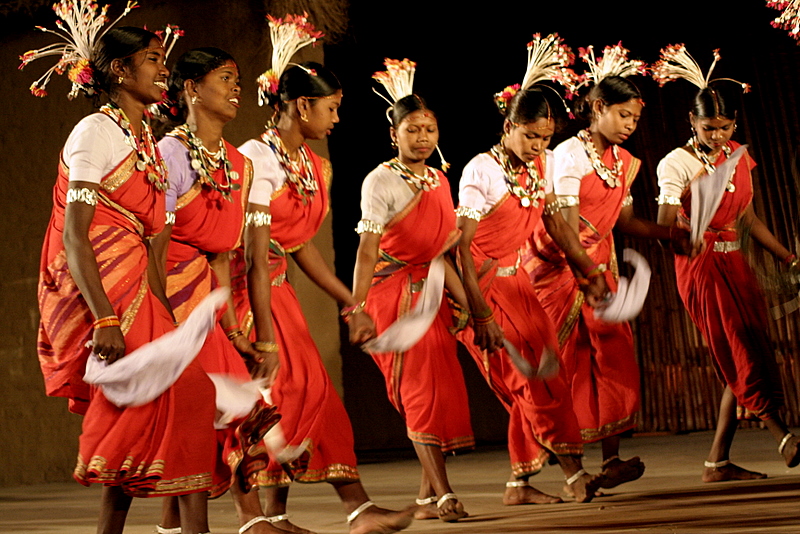
Karma, the dance of the Karam tree. Karma is danced by tribal communities such as the Santal, Oraon, Gond and Baiga at the Karam festival, which honours the Karam tree as a symbol of fortune. Men and women dance in rows, arms linked, swaying forward and back. The madal (mandar) and nagara drums keep time, and Karma is found across Jharkhand, Chhattisgarh, Odisha and beyond.
Ghumura of Odisha. Ghumura is a drum dance of western Odisha, from areas such as Kalahandi, Sambalpur and Bolangir. The dancers play the ghumura, a large earthen drum hung from the body, while they dance.
Central India: the dances of Chhattisgarh
A state of many dances. Chhattisgarh has a large tribal population, and its dances are among the richest in India. Each dance belongs to a community, a season or a ritual. Exams often ask you to match the dance with its people.
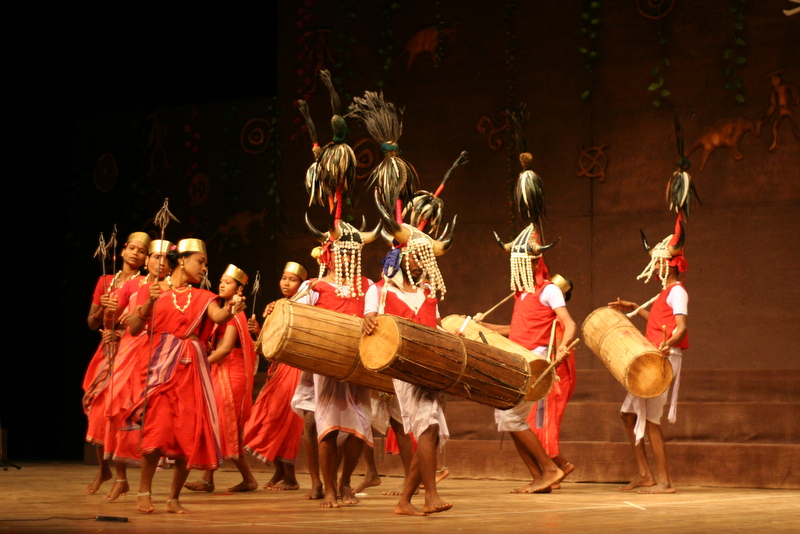
Panthi. Panthi is the dance of the Satnami community, followers of the saint Guru Ghasidas. Men dance in a group, often forming pyramids, and the pace rises from slow to very fast. The mandar drum and jhanjh cymbals accompany the songs of devotion.
Gaur Maria. The Bison-Horn Maria (Gaur Maria) of Bastar wear headdresses decorated with bison horns and cowrie shells. The dance imitates the movements of the bison, and the men beat drums hung from their necks. It is performed at weddings and festivals.
Suwa and Gedi. Suwa, the parrot dance, is danced by women around a wooden parrot placed in a basket, at harvest time and around Diwali. Gedi is a Gond dance on bamboo stilts, performed by boys during the monsoon. Karma, which you met above, is also danced widely in Chhattisgarh.
Pandavani. Pandavani is a form of narrative song and acting from Chhattisgarh, telling stories from the Mahabharata. The performer holds an ektara or tambura and acts out the scenes while a chorus responds. It sits on the border between music, theatre and dance; you will meet it again in the folk theatre chapter.
West and north: Garba, Kalbelia, Bhangra
Garba of Gujarat. Garba is danced during Navaratri, the nine nights in honour of the goddess Shakti. Dancers move in a circle around a lamp placed in a perforated earthen pot called the garbo, or around an image of the goddess Amba. The circle moves counter-clockwise, and anyone can join. UNESCO inscribed Garba in 2023.
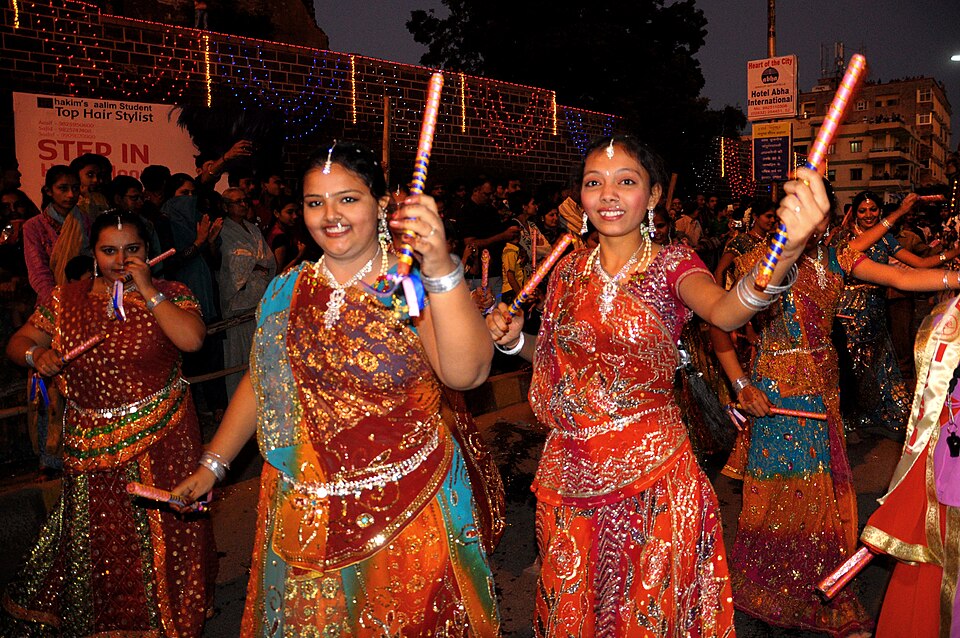
Sidi Goma. In Gujarat, the Sidis, a community of African origin, perform Sidi Goma, also called Dhamal. It honours their saint Bava Gor. The drumming and movements keep alive memories of their African roots.
Kalbelia of Rajasthan. The Kalbelia were once snake-handlers, and their dance imitates a serpent. Women in flowing black skirts whirl and sway, while men play the khanjari (a small tambourine) and the poongi, the snake-charmer's pipe. UNESCO inscribed Kalbelia songs and dances in 2010.
Terah Tali. Terah Tali is danced by women of the Kamad community of Rajasthan. They tie thirteen manjiras (small cymbals) to different parts of the body and strike them in rhythm while seated. The dance is offered to the folk deity Baba Ramdev.
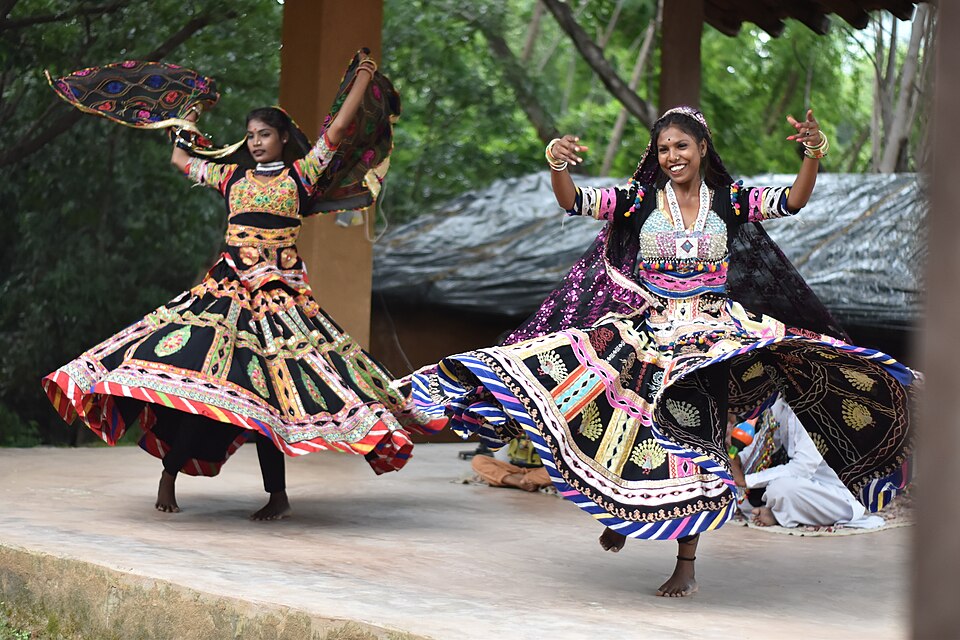
Punjab and the hills. Bhangra, danced by men, and Giddha, danced by women, are the lively harvest dances of Punjab. In Kashmir, Dhumal and Rouf are performed, and Haryana has Phag, danced in spring. In Uttarakhand, Chholiya is a sword dance performed at weddings, with roots in old warrior traditions.
Maharashtra and Goa. The Koli dance of Maharashtra belongs to the fisherfolk; its movements show rowing boats and casting nets. In Goa, Jagor is a night-long folk performance, with masked forms such as Perni Jagor.
The south: ritual dances of Kerala and Tamil Nadu
Theyyam. In north Kerala, Theyyam is a ritual in which the performer becomes the deity. Performers wear huge headgear, elaborate face paint and costumes, and dance to the chenda drum in village shrines. Worshippers bow before them and seek blessings, because for that night the dancer is the god.
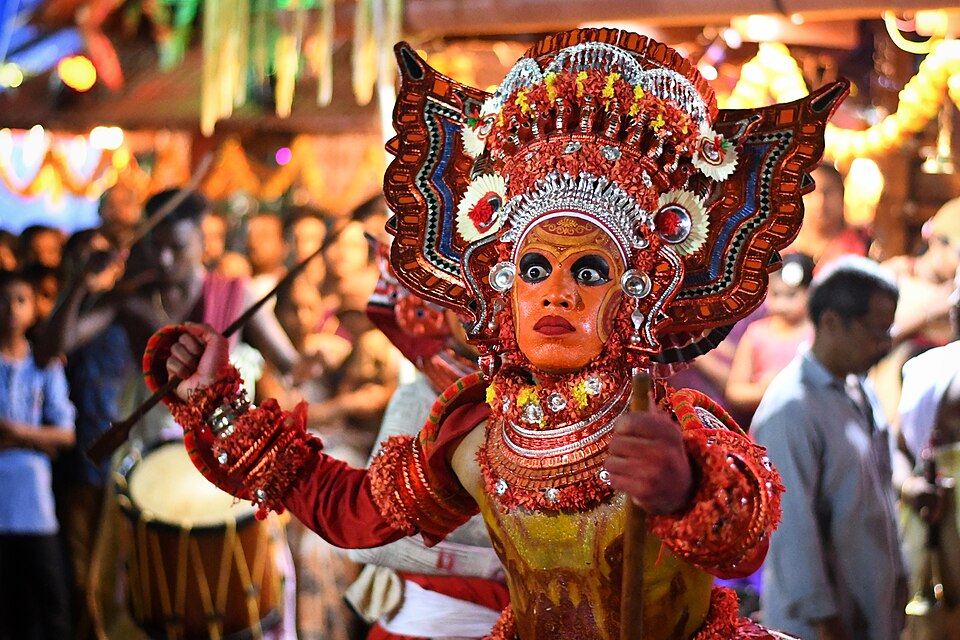
Who performs Theyyam. Theyyam is performed by communities such as the Vannan, Malayan and Velan. These communities were once low in the caste order. In Theyyam, the social order is reversed for a time: people of higher castes bow before a dancer from a lower one.
Mudiyettu. Mudiyettu is a ritual dance-drama of Kerala that enacts the fight between the goddess Kali and the demon Darika. It is performed in Bhagavati temples after the summer harvest, and an image of Kali is drawn on the temple floor before it begins. UNESCO inscribed Mudiyettu in 2010.
Kerala's other forms. Kaikottikali is a graceful group dance of Kerala women, clapping as they move in a circle. Kalaripayattu, Kerala's martial art, shaped the training of Kathakali actors. You will study it with other martial arts in the puppetry and martial arts chapter.
Karagam of Tamil Nadu. Karagam is danced while balancing decorated pots on the head. It honours the goddess Mariamman, who is believed to protect villages from disease and to bring rain. The dancers move with great skill, never letting the pots fall.
Folk dances state by state
The revision table. Prelims questions usually ask you to match a dance with its state or community. This table collects the dances of this chapter in one place.
| State | Dances | Remember |
|---|---|---|
| Assam | Bihu | Bohag Bihu, mid-April; pepa (horn pipe) |
| Mizoram | Cheraw (bamboo dance) | Dancers step between clapping poles |
| Meghalaya | Wangala | Garo harvest dance |
| Nagaland | Moatsu Mong, Tsungrem Mong, war dances | Ao sowing and harvest; Sumi, Sangtam |
| Jharkhand, West Bengal, Odisha | Chhau | Seraikella, Purulia (masked), Mayurbhanj (no mask); UNESCO 2010 |
| Jharkhand, Chhattisgarh, Odisha | Karma | Karam festival; Santal, Oraon, Gond, Baiga |
| Odisha | Ghumura | Drum dance of Kalahandi, Sambalpur, Bolangir |
| Chhattisgarh | Panthi, Gaur Maria, Suwa, Gedi | Satnami; Bastar bison horns; women's parrot dance; stilts |
| Gujarat | Garba, Sidi Goma | Navaratri, UNESCO 2023; Sidis of African origin |
| Rajasthan | Kalbelia, Terah Tali | Serpent dance, UNESCO 2010; Kamad women, 13 manjiras |
| Punjab | Bhangra, Giddha | Men and women; harvest |
| Jammu and Kashmir | Dhumal, Rouf | Kashmir valley |
| Uttarakhand | Chholiya | Sword dance at weddings |
| Maharashtra | Koli | Fisherfolk |
| Kerala | Theyyam, Mudiyettu, Kaikottikali | Performer becomes deity; Kali-Darika, UNESCO 2010; women's clapping dance |
| Tamil Nadu | Karagam | Pots on head; Mariamman |
How to learn it. Do not memorise the table blindly. Link each dance to a picture: the bamboo poles of Cheraw, the bison horns of Gaur Maria, the pot of the garbo. A picture recalled is a mark gained.
Mains lens: debates and practice
Debate 1: living heritage under pressure. Folk dances live only as long as the community life around them lives. Migration to cities, new entertainment and the loss of old livelihoods weaken them. For example, the Kalbelia lost their snake-handling work after wildlife laws, and their dance became both a heritage and a new livelihood.
Debate 2: stage versus ritual. When a ritual like Theyyam or Chhau is put on a city stage or at a tourist show, it gains an audience and income. But it may lose its sacred meaning and its link to the season and the shrine. A balanced answer weighs visibility against authenticity.
Debate 3: dance and social justice. Folk and tribal dances often belong to marginal groups: tribal communities, fisherfolk, communities once low in caste, and the African-origin Sidis. Theyyam reverses caste order for a night. Protecting these forms is also a way of respecting the dignity of these communities.
What the state does. The Sangeet Natak Akademi gives awards and runs centres such as the Chhau Kendra (2018). India's UNESCO elements, among them Chhau, Kalbelia, Mudiyettu and Garba, bring global attention. You will study the wider policy in the intangible heritage chapter.
These are practice questions written by us, not past papers. Past questions from your exam appear in the PYQ panel.
| Angle | Question | Key points to cover |
|---|---|---|
| Society | Folk dances are a mirror of the agrarian and seasonal life of India. Discuss with examples. | Bihu, Moatsu Mong, Wangala, Karma, Suwa, Bhangra; sowing, harvest, new year; community and thanksgiving. |
| Heritage | What challenges do tribal and folk performing arts face today? Suggest measures to safeguard them. | Migration, loss of livelihoods, commercialisation; documentation, gurus, festivals, UNESCO, SNA centres, schools. |
| Art | Chhau sits between folk and classical. Examine. | Martial and tribal roots, epics, masks, three styles, codified steps, UNESCO 2010, Chhau Kendra. |
| Justice | How do ritual performances such as Theyyam reflect and challenge social hierarchy? | Performing communities, the dancer as deity, temporary reversal, limits of ritual reversal, today's change. |
Answer plan for the safeguarding question. Open by saying that folk arts are living heritage, carried by people rather than kept in museums. In the body, list the threats, then the measures: support for gurus and performers, documentation, school and festival platforms, SNA centres and UNESCO listing. Conclude that the best safeguard is to keep the community and its livelihood alive along with the art.
Quick revision
- Three families: classical, folk, tribal; folk and tribal dances follow seasons, harvests, rituals and life events.
- Bihu (Assam): Bohag Bihu mid-April; husori; dhol, pepa, toka, gogona. Cheraw (Mizoram, bamboo). Wangala (Meghalaya, Garo). Nagaland: Moatsu Mong, Tsungrem Mong (Ao); Sumi, Sangtam war dances.
- Chhau: Seraikella (Jharkhand), Purulia (West Bengal), Mayurbhanj (Odisha); first two masked; martial, epics; UNESCO 2010; Chhau Kendra, Chandankiyari (8 Oct 2018).
- Karma: Santal, Oraon, Gond, Baiga; Karam festival; rows; madal, nagara. Ghumura (Odisha drum dance).
- Chhattisgarh: Panthi (Satnami), Gaur Maria (Bastar), Suwa (women, parrot), Gedi (stilts); Pandavani (Mahabharata narrative).
- Garba (Gujarat, Navaratri, garbo; UNESCO 2023); Sidi Goma (Sidis); Kalbelia (Rajasthan, serpent; UNESCO 2010); Terah Tali (Kamad, 13 manjiras); Bhangra, Giddha (Punjab); Dhumal, Rouf (Kashmir); Chholiya (Uttarakhand); Koli (Maharashtra).
- South: Theyyam (north Kerala; performer becomes deity); Mudiyettu (Kali-Darika; UNESCO 2010); Karagam (Tamil Nadu, pots, Mariamman).
- Martial: Chholiya, Kalaripayattu, Thang-Ta.