

KPSC KAS · Module 11 · Mains depth · 16 min
ಸವಿನಯ ಕಾನೂನು ಭಂಗ, ದುಂಡುಮೇಜಿನ ಸಮ್ಮೇಳನಗಳು ಮತ್ತು ಪೂನಾ ಒಪ್ಪಂದ
What KPSC KAS asks from this chapter
Syllabus lines this chapter covers:
- Paper I: General Studies · ರಾಷ್ಟ್ರೀಯ ಚಳುವಳಿ ಮತ್ತು ಕರ್ನಾಟಕಕ್ಕೆ ಒತ್ತು ನೀಡಿ ಭಾರತದ ಇತಿಹಾಸ.
- GS 1 · ಭಾರತ ಮತ್ತು ಕರ್ನಾಟಕದ ಇತಿಹಾಸ ಮತ್ತು ಸಾಂಸ್ಕೃತಿಕ ಪರಂಪರೆ.
KPSC KAS has asked 1 question from this chapter (2017); 6 from its whole module.
Read at full depth: basics, the standard layer and the Mains analysis.
Start from zero: why would anyone march for salt?
Salt is in every kitchen in India, from the richest home to the poorest hut. It costs little, yet no one can do without it. Now imagine a law that says you may not make salt yourself, even from the sea at your doorstep, and must buy it on terms set by the government.
That was the salt law under British rule. In 1930, Gandhi chose this ordinary thing as the symbol of a new national movement. It proved to be one of the most powerful choices in the whole struggle.
After the Lahore Congress of December 1929 declared Purna Swaraj the goal, the Congress needed a way to involve millions. Breaking the salt law was simple enough for anyone to join and clear enough for everyone to understand. It turned the demand for freedom into an act that a farmer, a woman at home or a child could perform.
This chapter follows the Civil Disobedience Movement, the talks in London and the crisis over separate electorates that ended in the Poona Pact. Keep one question in mind as you read. How did a fistful of salt shake an empire, and why did the talks that followed fail to bring freedom?
Key events at a glance
This table lists the main events from 1930 to 1932. Each is explained in the sections below.
| When | What happened | Why it matters |
|---|---|---|
| 2 March 1930 | Gandhi's letter to Lord Irwin | A last appeal before action. |
| 12 March 1930 | Dandi March begins from Sabarmati | The nation follows a 24-day march. |
| 6 April 1930 | Salt law broken at Dandi | Civil Disobedience spreads. |
| May 1930 | Gandhi arrested, taken to Yerwada | Repression fails to stop the movement. |
| November 1930 – January 1931 | First Round Table Conference, without the Congress | Talks without the main party fail. |
| 5 March 1931 | Gandhi-Irwin Pact signed | Government negotiates with Gandhi as an equal. |
| 1931 | Second Round Table Conference; Gandhi sole Congress delegate | No settlement. |
| 1932 | Communal Award; Gandhi's fast | Crisis over separate electorates. |
| 24 September 1932 | Poona Pact | Reserved seats replace separate electorates. |
Notice the pattern: mass action in 1930, negotiation in 1931 and a social crisis in 1932. Each phase taught a different lesson about how freedom would be won.
The Dandi March, 1930
Why salt? Salt was traditionally made by salt farmers along India's coasts, but it was becoming a commercial item controlled by law. Every Indian, however poor, needed it. In his letter to the Viceroy, Lord Irwin, dated 2 March 1930 and carried by a young Englishman, Reginald Reynolds, Gandhi called the salt law the biggest injustice to the poor.
The march. Ten days after the letter, Gandhi set out from Sabarmati Ashram at 6:30 in the morning on 12 March 1930 with 79 followers. They walked 241 miles in 24 days, and the whole country followed their progress. The march reached Dandi on the night of 4 April, and on 5 April the satyagrahis gathered on the coast dressed in khadi.
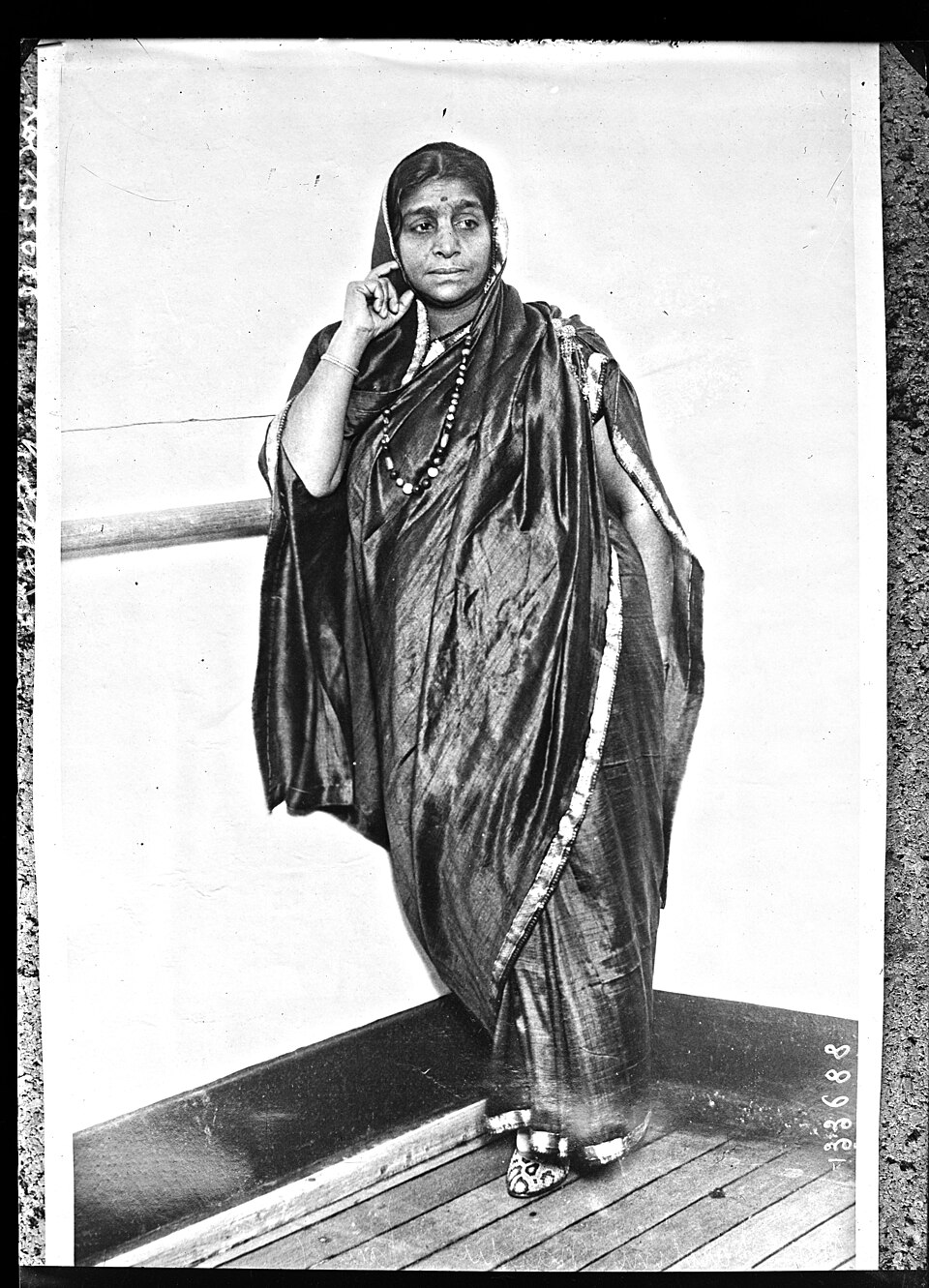
Breaking the law. On the morning of 6 April 1930, Gandhi picked up a fistful of salt and broke the salt law. Sarojini Naidu, Abbas Tyabji and Mithuben Petit were among those who joined at Dandi. Satyagrahis signed a pledge that began 'I am ready to go to jail'.
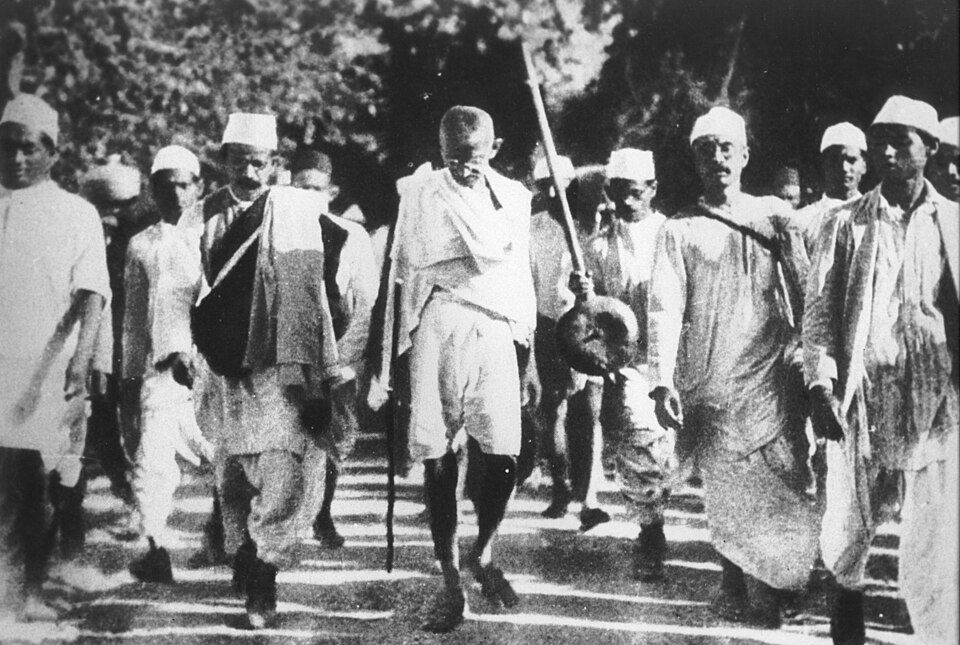
Why was it planned this way? Civil Disobedience was not to begin anywhere before Gandhi himself broke the law at Dandi. The long march built up suspense and attention across India and abroad. Gandhi was arrested in May 1930 and taken to Yerwada jail, but by then the movement had spread too far to be stopped.
Civil Disobedience spreads across India
From Gujarat to Kerala and Madras. After Dandi, salt was made and the salt law broken in many parts of the country. In Kerala, K. Kelappan led salt satyagrahas at Payyanur and Calicut. In Madras, S. Satyamurti was arrested in 1930 for trying to unfurl the tricolour.
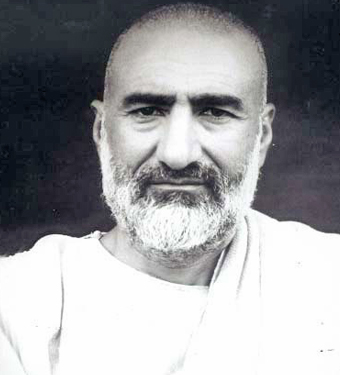
The North-West Frontier. Among the Pashtuns of the North-West Frontier, Khan Abdul Ghaffar Khan built the Khudai Khidmatgar, also called the 'Red Shirt' movement. It used non-violent agitation for Indian independence and supported the Congress, which earned him the name 'Frontier Gandhi'. The movement showed how far Gandhi's method had travelled from its home in Gujarat.
Boycott and sacrifice in the cities. In cities, the movement included the boycott of foreign cloth and the picketing of shops. On 12 December 1930, Babu Genu, a Mumbai cotton-mill worker, was killed under a truck while protesting against the import of foreign cloth. Leaders were jailed too; Motilal Nehru was arrested in 1930 and released only in September 1930, a few months before his death.
Women in the front line. Civil Disobedience drew women into the struggle on a new scale. Rajkumari Amrit Kaur was arrested in the salt movement, Kamla Chaudhry formed charkha committees to unite women in 1930, and Leela Roy was jailed for six years for civil disobedience. Even songs became weapons: Jhaverchand Meghani's songs on the salt satyagraha were banned and he was sent to jail.
The First Round Table Conference and the Gandhi-Irwin Pact
Talks without the Congress. While the movement went on, the British government called a Round Table Conference in London to discuss India's constitutional future. The First Round Table Conference met from 12 November 1930 to 19 January 1931. The Congress was not represented, and Gandhi was in Yerwada jail.
Why did it fail? A conference on India's future without the largest national party could not produce an agreement that Indians would accept. Liberal leaders such as Tej Bahadur Sapru, M.R. Jayakar and V.S. Srinivasa Sastri returned to India in February 1931 and worked to bring the government and the Congress together. The government realised that it had to talk to Gandhi.
Gandhi's six demands. On 17 February 1931, in Delhi, Gandhi set out six demands as the minimum for peace talks. They included a general amnesty, an end to repression, the return of confiscated property, the reinstatement of government servants punished for political reasons, liberty to make salt and to picket liquor and foreign-cloth shops, and an inquiry into police excesses. Irwin refused to order the police inquiry.
The Pact of 5 March 1931. After hard bargaining, Gandhi and Irwin signed a provisional settlement at the Viceroy's house on 5 March 1931, known as the Gandhi-Irwin Pact or the Delhi Pact. Gandhi won a concession on salt, and Civil Disobedience was discontinued. The poet Meghani, for example, was freed from jail after the Pact.
The Second Round Table Conference, 1931
Gandhi in London. Under the Pact, the Congress agreed to take part in the talks. Gandhi attended the Second Round Table Conference in London in 1931 as the sole representative of the Congress. Expectations in India were high.
Why did it end without agreement? The conference brought together many groups, including representatives of the depressed classes such as Dr Ambedkar, each with its own concerns. No settlement was reached, and Gandhi returned to India empty-handed. The question of how different communities would be represented was left for the British to decide, which led to the Communal Award of 1932.
A mixed verdict on the Pact. Critics argued that Gandhi had called off a strong movement for very little, as the police inquiry was refused and independence was not on the table. Others pointed out that the British government had, for the first time, negotiated with the leader of the national movement as an equal. Both views are useful in a Mains answer.

The protest that the Pact could not stop. The weeks of the Pact were also the weeks of Bhagat Singh's execution on 23 March 1931. The settlement did not save him and his comrades, and this shows the strain between the Gandhian path and the revolutionary path described in the chapter on the Swarajists and the revolutionaries.
Ambedkar, the Communal Award and the Poona Pact
Ambedkar's struggle. Dr B.R. Ambedkar had been fighting for the rights of the depressed classes for years. He founded the Bahishkrit Hitakarini Sabha in 1923, led the Mahad satyagraha in 1927 for the right to use water from a public tank, and led the Kalaram temple entry movement at Nasik in 1930. He attended all three Round Table Conferences in London and pressed the interests of the depressed classes.
The Communal Award, 1932. In 1932 the British Prime Minister, Ramsay MacDonald, announced the Communal Award. Among other things, it gave separate electorates to the depressed classes. Ambedkar saw this as a way to ensure that they chose their own representatives.
Gandhi's fast. Gandhi opposed separate electorates for the depressed classes. He believed they would divide Hindu society permanently and weaken the national movement. He began a fast unto death to oppose the Award.
The Poona Pact, 24 September 1932. To save Gandhi's life and find a middle path, leaders negotiated an agreement, with Tej Bahadur Sapru among the mediators. Under the Poona Pact, signed on 24 September 1932, separate electorates for the depressed classes were dropped, and seats were reserved for them in the legislatures, along with reservation in government jobs. The idea of reserved seats within a common electorate later shaped the Constitution of independent India.
Mains lens: what Civil Disobedience achieved
Wider participation than ever. Civil Disobedience reached far beyond the educated classes. Peasants, workers, women, Pashtuns of the Frontier and people of the far south took part. The simple act of making salt allowed people who had never been to a political meeting to join the national movement.
Compared with Non-Cooperation. Non-Cooperation asked Indians to withdraw cooperation from the government, for example by leaving schools and courts. Civil Disobedience went further and asked them to break specific laws, starting with the salt law. Both were non-violent, but Civil Disobedience directly challenged the authority of colonial law.
The two Ambedkar-Gandhi positions. The Poona Pact reflects a real debate. Ambedkar wanted the depressed classes to elect their own representatives so that their voice could not be drowned out; Gandhi feared that separate electorates would split Indian society. The compromise of reserved seats within a common electorate respected both concerns, and a strong answer should present both views fairly.
A balanced verdict. Civil Disobedience did not win independence, and the Round Table Conferences failed. Yet the movement showed the depth of popular support for the Congress, forced the government to negotiate, and settled a key question of social justice through the Poona Pact. Its results flowed into the Government of India Act 1935, explained in the chapter on the Acts of 1919 and 1935.
Mains practice: 1930–1932
| Angle | Question | Key points to cover |
|---|---|---|
| Strategy | Why did Gandhi choose salt as the symbol of Civil Disobedience? Assess its impact. | Salt and the poor; letter of 2 March 1930; Dandi march; spread to Kerala, Madras, Frontier, cities; women; arrest. |
| Negotiation | "The Gandhi-Irwin Pact was a retreat." Critically examine. | First RTC without Congress; six demands; police inquiry refused; salt concession; equal negotiation; Second RTC failure. |
| Social justice | Compare the positions of Gandhi and Ambedkar on the Communal Award. How did the Poona Pact resolve them? | Ambedkar's earlier struggles; RTCs; separate electorates; fast; reserved seats and jobs; legacy in the Constitution. |
ಇವು ನಾವು ರಚಿಸಿದ ಅಭ್ಯಾಸ ಪ್ರಶ್ನೆಗಳು, ನಿಜವಾದ ಹಿಂದಿನ ಪ್ರಶ್ನೆಪತ್ರಿಕೆಗಳಲ್ಲ. ನಿಮ್ಮ ಪರೀಕ್ಷೆಯ ಹಿಂದಿನ ಪ್ರಶ್ನೆಗಳು PYQ ಫಲಕದಲ್ಲಿ ಕಾಣಿಸುತ್ತವೆ.
ಈ ಕೋಷ್ಟಕವನ್ನು ಬಳಸುವ ವಿಧಾನ: ಪ್ರತಿ ಉತ್ತರವು ಏನು ಎಂದು ವಿವರಿಸಬೇಕು, ನಂತರ ಏಕೆ ಎಂದು ಹೇಳಬೇಕು, ಮತ್ತು ಅದು ಯಾವುದಕ್ಕೆ ಕಾರಣವಾಯಿತು ಎಂದು ಕೊನೆಗೊಳಿಸಬೇಕು.
Quick revision
- Letter to Irwin, 2 March 1930 (carried by Reginald Reynolds): salt law the biggest injustice to the poor.
- Dandi March: from Sabarmati, 12 March 1930, 79 followers, 241 miles in 24 days; salt law broken 6 April 1930.
- Joined at Dandi: Sarojini Naidu, Abbas Tyabji, Mithuben Petit; Gandhi arrested May 1930, Yerwada.
- Khudai Khidmatgar ('Red Shirts'): Khan Abdul Ghaffar Khan, 'Frontier Gandhi'.
- Kelappan: Payyanur and Calicut; Satyamurti: Madras 1930; Babu Genu killed 12 December 1930, Mumbai.
- Women: Amrit Kaur, Kamla Chaudhry (charkha committees), Leela Roy (six years' jail).
- First RTC: London, 12 November 1930 – 19 January 1931, no Congress.
- Gandhi-Irwin Pact: 5 March 1931; six demands of 17 February; police inquiry refused; salt concession; Civil Disobedience discontinued.
- Second RTC 1931: Gandhi sole Congress representative; no settlement.
- Ambedkar: all three RTCs; Bahishkrit Hitakarini Sabha 1923; Mahad 1927; Kalaram 1930.
- Communal Award 1932 (Ramsay MacDonald): separate electorates for depressed classes; Gandhi's fast unto death.
- Poona Pact, 24 September 1932: separate electorates dropped; reserved seats in legislatures and jobs.
KPSC KAS questions from this chapter
Who among the following from Karnataka participated in Gandhi’s Dandi March (Salt Satyagraha) ?
- (a) M.P. Nadkarni
- (b) K.T. Bhashyam
- (c) Mailara Mahadevappa
- (d) T. Siddalingaiah
Show answer
(c) Mailara Mahadevappa · our answer; official key awaited