

KPSC KAS · Module 11 · Mains depth · 15 min
ರೌಲತ್, ಜಲಿಯನ್ವಾಲಾ ಬಾಗ್, ಖಿಲಾಫತ್ ಮತ್ತು ಅಸಹಕಾರ ಚಳವಳಿ
What KPSC KAS asks from this chapter
Syllabus lines this chapter covers:
- Paper I: General Studies · ರಾಷ್ಟ್ರೀಯ ಚಳುವಳಿ ಮತ್ತು ಕರ್ನಾಟಕಕ್ಕೆ ಒತ್ತು ನೀಡಿ ಭಾರತದ ಇತಿಹಾಸ.
- GS 1 · ಭಾರತ ಮತ್ತು ಕರ್ನಾಟಕದ ಇತಿಹಾಸ ಮತ್ತು ಸಾಂಸ್ಕೃತಿಕ ಪರಂಪರೆ.
6 KPSC KAS questions in our bank come from this module (ಗಾಂಧಿ ಯುಗ (1917–1947)).
Read at full depth: basics, the standard layer and the Mains analysis.
Start from zero: when loyalty is not rewarded
Imagine you help a neighbour through a hard time, lending money and working for him, because he promised to treat you as an equal afterwards. When the hard time ends, instead of keeping his promise, he passes a rule that lets him lock you up without explanation. You would feel not only angry but betrayed.
Many Indians felt exactly this in 1919. During the First World War, India gave soldiers, money and supplies, and Indian leaders hoped for self-government in return. Instead, the war brought heavy burdens, and its end brought the Rowlatt Act, which allowed arrest and imprisonment without trial.
The anger that followed exploded at Jallianwala Bagh in Amritsar, where troops fired on an unarmed crowd. At the same time Indian Muslims were angered by the treatment of the Ottoman Caliph. Gandhi brought these streams of anger together into the first all-India mass movement: Non-Cooperation.
This chapter explains why 1919 to 1922 changed the national movement for ever. Keep one question in mind as you read. Why did Gandhi call off a movement at the height of its power in 1922, and was he right to do so?
Key events at a glance
This table lists the main events from the Rowlatt Act to the end of Non-Cooperation. Each is explained in the sections below.
| When | What happened | Why it matters |
|---|---|---|
| 1919 | Rowlatt Act: arrest and imprisonment without trial | Loyalty in the war is answered with repression. |
| 9 April 1919 | Gandhi stopped and arrested; unrest in Amritsar follows | Punjab becomes the centre of the storm. |
| 13 April 1919 | Jallianwala Bagh firing on Baisakhi day | Trust in British justice is shattered. |
| March 1920 | Hunter Committee report condemns Dyer, no punishment | The injustice deepens. |
| August 1920 | Non-Cooperation Movement begins, joined with Khilafat | The first all-India mass movement. |
| November 1920 | More than two-thirds of voters boycott council elections | Boycott becomes a national act. |
| February 1922 | Chauri Chaura; movement suspended | Gandhi puts non-violence above momentum. |
| March 1922 | Gandhi arrested and sentenced to six years | A pause in the mass movement. |
Notice how quickly events moved. In about three years India went from wartime loyalty to the largest anti-British movement it had yet seen.
The war's burden and the Rowlatt Act
What did the war cost India? During the First World War, Britain raised huge war loans in India and increased the land revenue. Indians were recruited into the army, often by force, prices rose sharply and a tax on incomes was imposed. Ordinary people, from peasants to traders, felt the strain.
Hopes of reward. Many Indian leaders had supported the war effort, hoping that loyalty would be rewarded with a larger share in government. After the war, people expected a new deal. What they received instead was a law that frightened them.
The Rowlatt Act. Instead, the government passed the Rowlatt Act, which allowed people to be arrested and imprisoned without trial. Indians called it the 'Black Act'. To them it meant that wartime emergency powers would continue in peacetime, and that any Indian could be jailed without a hearing.
Why did it cause such anger? Trial before punishment is one of the most basic rights of a citizen. A law that removed it, passed just after India had given so much in the war, felt like a betrayal. Protests spread across the country, and Punjab became a centre of anger.
Arrests and unrest in Amritsar. In Amritsar two popular leaders, Dr Saifuddin Kitchlew and Dr Satyapal, were arrested. Gandhi himself was stopped and arrested on 9 April 1919. When the news reached Amritsar, violence broke out on 10 and 11 April, and Brigadier-General Reginald Dyer took charge of the city.
Jallianwala Bagh, 13 April 1919
The gathering. On 13 April 1919, the day of the Baisakhi festival, a large crowd gathered at Jallianwala Bagh, an enclosed ground in Amritsar. They had come to protest peacefully. Dyer had banned public meetings, but the gathering went ahead.
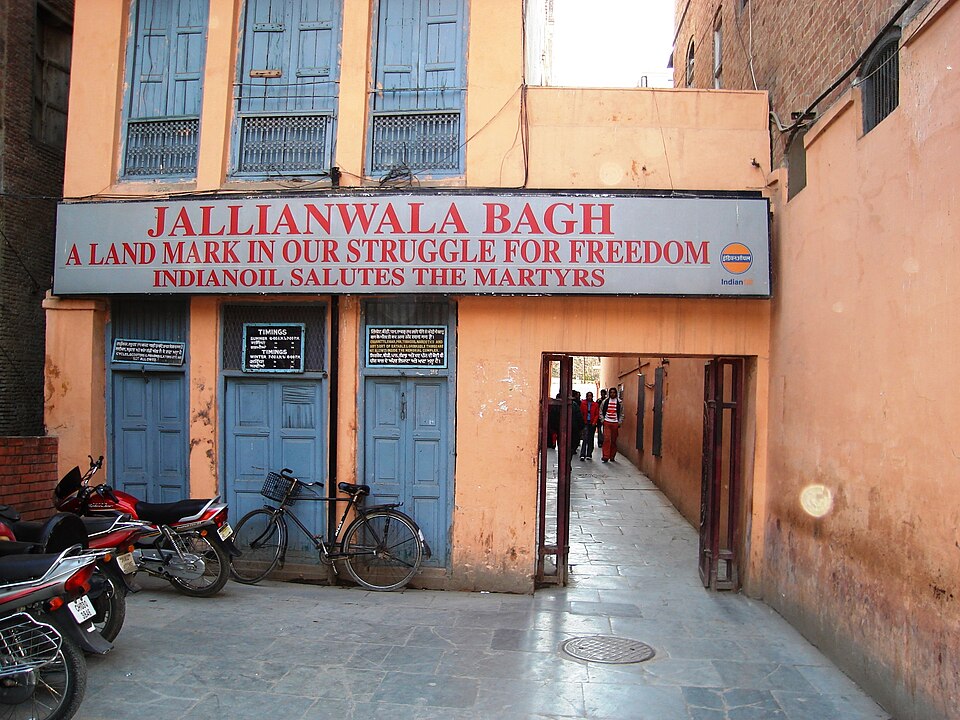
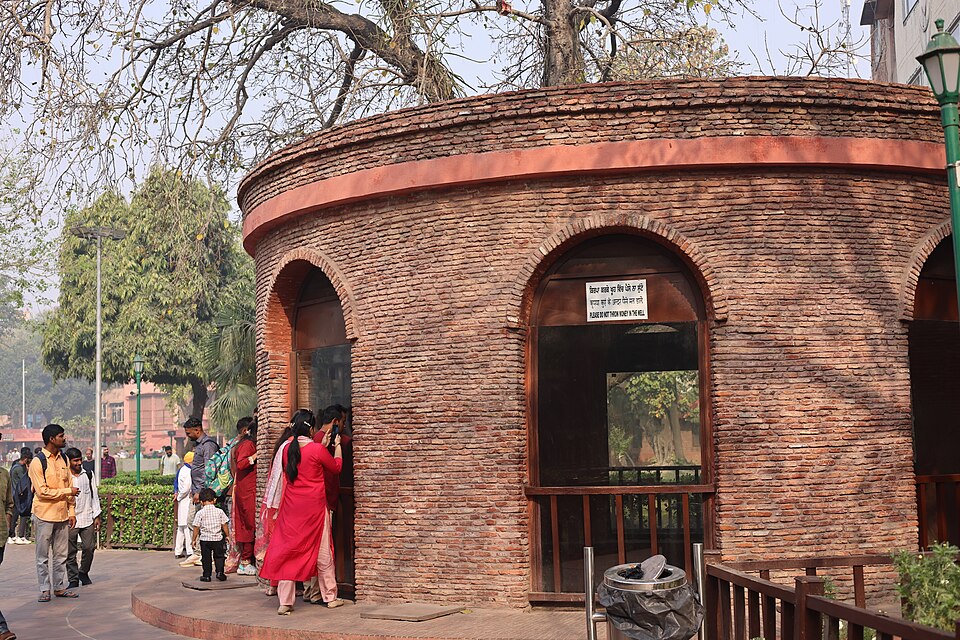
The firing. Dyer arrived with troops, the gates were closed, and he ordered them to fire on the crowd without warning. The firing went on for about ten minutes, and some 1,650 rounds were fired. With the exits closed, people had nowhere to run, and by Indian accounts about a thousand people were killed.
Martial law and the Hunter Committee. Most of Punjab was then placed under martial law. A committee of inquiry, the Hunter Committee, submitted its final report in March 1920. It condemned Dyer's actions, but no penal or disciplinary action was taken against him, which deepened Indian anger.
Protest by the great. Rabindranath Tagore gave up his knighthood in protest, and Gandhi gave up his Kaiser-i-Hind title. When India's most honoured poet and its most respected leader rejected British honours, it showed that loyalty to the empire was ending even among those it had rewarded.
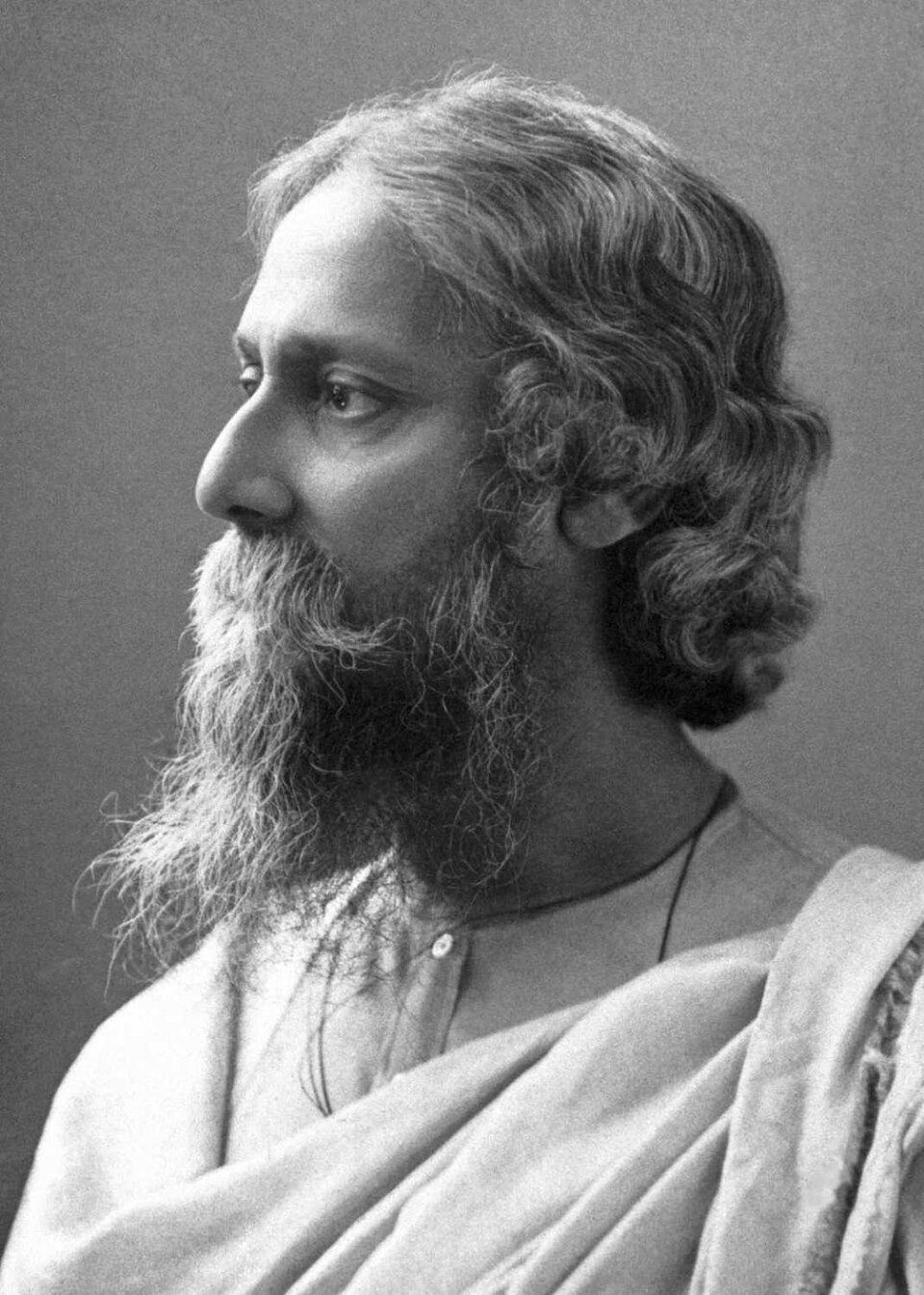
Why is Jallianwala Bagh a turning point? Before 1919, many Indians still believed that British rule, whatever its faults, respected law. Jallianwala Bagh and the failure to punish Dyer destroyed that belief. From now on, the demand moved steadily from reforms within the empire towards freedom from it.
The Khilafat question and Hindu-Muslim unity
What was the Khilafat? The Ottoman Sultan of Turkey was regarded by many Muslims as the Khalifa, or Caliph, the spiritual head of the Muslim world. Turkey had fought against Britain in the war and lost. After the war, the Ottoman Empire was divided up.
The Khilafat Movement. Many Indian Muslims were angered, and the brothers Shaukat Ali and Mohammad Ali started the Khilafat Movement to defend the Caliph's position. It was a religious issue, but it carried a strong anti-British charge. For the first time, large numbers of Muslims were ready for mass protest against the government.
Why did Gandhi join it? Gandhi saw a chance to unite Hindus and Muslims against a common opponent. He believed that supporting Muslims on an issue that mattered deeply to them would build trust for the national struggle. So the Khilafat and Non-Cooperation movements merged into one confrontation with the British.
A debated choice. The alliance produced remarkable Hindu-Muslim unity in 1920 and 1921. Critics, however, argue that tying the national movement to a religious and foreign issue was risky. Mains answers should weigh both the unity it achieved and the questions it raised.
The Non-Cooperation Movement, 1920–1922
The idea. Gandhi's argument was simple: British rule in India survived because Indians cooperated with it, as clerks, soldiers, students, lawyers and buyers of British goods. If Indians withdrew that cooperation, the government could not function. He launched the Non-Cooperation Movement in August 1920.
What were people asked to give up? The programme called on Indians to surrender titles and honorary offices and to boycott official functions, government schools and colleges, law courts, the elections to the legislative councils and foreign goods. People were also asked to refuse to enlist for military and labour service in Mesopotamia. Each item was a way of saying 'we will not help you rule us'.
What were people asked to build? Non-cooperation was not only refusal. Its constructive programme promoted Swadeshi through hand-spinning and hand-weaving, the removal of untouchability and Hindu-Muslim unity. National schools and colleges were set up, among them the Gujarat Vidyapith at Ahmedabad in 1920.
How did India respond? The response was enormous. More than two-thirds of voters stayed away from the council elections of November 1920. Leading lawyers such as Motilal Nehru, C.R. Das, C. Rajagopalachari and Asif Ali gave up their practice, which showed that even the educated elite was ready to sacrifice careers.
Repression. The government answered with mass arrests, and nearly thirty thousand people were jailed within two months in 1921. That so many were willing to go to jail showed how deeply the movement had changed attitudes. Fear of the government was giving way to defiance.
Chauri Chaura and the suspension
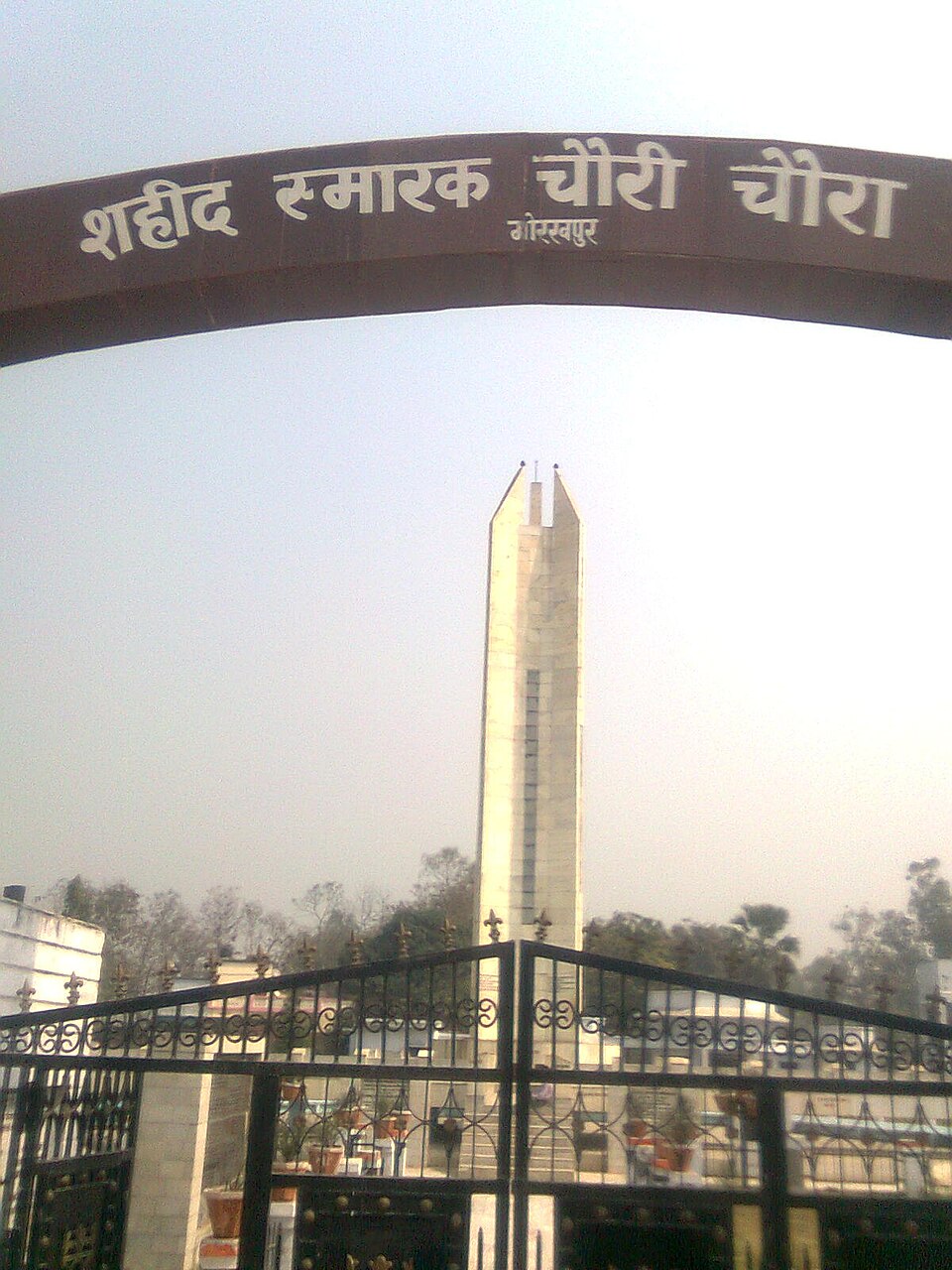
What happened? In February 1922, at Chauri Chaura in Gorakhpur district of the United Provinces, a crowd set fire to the local police station, and policemen died. Nineteen people were later hanged for the incident. For Gandhi, this was a clear breach of the non-violence on which the movement rested.
Gandhi's decision. Gandhi suspended the Non-Cooperation Movement. Many leaders were shocked, because the movement was at its height and some felt that freedom was within reach. They argued that the violence of one place should not halt a movement of the whole country.
Why did Gandhi stop? Gandhi believed that a movement which turned violent would give the government an excuse for brutal repression, and that the people were not yet disciplined enough for mass civil disobedience. For him, non-violence was not just a tactic but the foundation of the struggle. He preferred to pause rather than let the movement become something he could not control.
Arrest. In March 1922 Gandhi was arrested and sentenced to six years' simple imprisonment. The mass movement entered a quieter phase, and the leaders had to decide what to do next, which is the story of the chapter on the Swarajists, the Simon Commission and the revolutionaries.
Mains lens: success or failure?
The case for failure. Non-Cooperation did not win Swaraj, and it was called off suddenly. The Khilafat issue faded, and Hindu-Muslim unity weakened in the years that followed. Many participants felt let down by the suspension.
The case for success. Yet the movement changed Indian politics for ever. For the first time, the Congress led a truly all-India mass movement, drawing in peasants, workers, students, women, traders and professionals. The fear of the British government was broken, and going to jail became a mark of honour.
Lasting gains. The movement gave the Congress a mass organisation and spread Swadeshi, khadi and the constructive programme into villages. It made non-violent mass action the main method of the national movement. It also established Gandhi as the undisputed leader of that movement.
Lessons for the next round. The suspension taught the leadership that a mass movement needed trained and disciplined volunteers before it could be launched again. When Gandhi next led an all-India campaign in 1930, he began with a small band of chosen followers on the march to Dandi. Seen this way, the halt of 1922 was not only a retreat but also a rehearsal.
A balanced verdict. In a Mains answer, avoid calling it simply a failure. A fair verdict is that it failed in its immediate aim but succeeded in transforming the national movement into a mass struggle. The decision at Chauri Chaura remains debated, and a good answer should present both Gandhi's reasoning and his critics' view.
Mains practice: 1919–1922
| Angle | Question | Key points to cover |
|---|---|---|
| Turning point | "Jallianwala Bagh destroyed Indian faith in British justice." Examine. | War burdens; Rowlatt Act; 13 April 1919; Hunter Committee and no punishment; Tagore and Gandhi return honours; shift towards freedom. |
| Unity | Assess the Khilafat-Non-Cooperation alliance as a strategy for Hindu-Muslim unity. | Khilafat grievance; Ali brothers; merger 1920; unity achieved; risks of a religious and foreign issue; later decline. |
| Evaluation | Was the Non-Cooperation Movement a failure? Give reasons. | Programme and response; mass participation; repression; Chauri Chaura and suspension; gains in organisation, fearlessness and method. |
ಇವು ನಾವು ರಚಿಸಿದ ಅಭ್ಯಾಸ ಪ್ರಶ್ನೆಗಳು, ನಿಜವಾದ ಹಿಂದಿನ ಪ್ರಶ್ನೆಪತ್ರಿಕೆಗಳಲ್ಲ. ನಿಮ್ಮ ಪರೀಕ್ಷೆಯ ಹಿಂದಿನ ಪ್ರಶ್ನೆಗಳು PYQ ಫಲಕದಲ್ಲಿ ಕಾಣಿಸುತ್ತವೆ.
ಈ ಕೋಷ್ಟಕವನ್ನು ಬಳಸುವ ವಿಧಾನ: ಪ್ರತಿ ಉತ್ತರವು ಏನು ಎಂದು ವಿವರಿಸಬೇಕು, ನಂತರ ಏಕೆ ಎಂದು ಹೇಳಬೇಕು, ಮತ್ತು ಅದು ಯಾವುದಕ್ಕೆ ಕಾರಣವಾಯಿತು ಎಂದು ಕೊನೆಗೊಳಿಸಬೇಕು.
Quick revision
- War burdens: war loans, higher land revenue, forced recruitment, rising prices, income tax.
- Rowlatt Act ('Black Act'): arrest and imprisonment without trial.
- Amritsar: Kitchlew and Satyapal arrested; Gandhi arrested 9 April 1919; Dyer takes charge.
- Jallianwala Bagh: 13 April 1919 (Baisakhi); firing without warning, about 10 minutes, about 1,650 rounds; about a thousand killed by Indian accounts.
- Hunter Committee report (March 1920): Dyer condemned, no punishment; Tagore returns knighthood, Gandhi gives up Kaiser-i-Hind.
- Khilafat: Shaukat Ali and Mohammad Ali; merged with Non-Cooperation.
- Non-Cooperation from August 1920: boycott of titles, schools, courts, council elections, foreign goods; no recruitment for Mesopotamia; constructive: spinning, end untouchability, Hindu-Muslim unity.
- November 1920: over two-thirds of voters boycott; lawyers Motilal Nehru, C.R. Das, Rajagopalachari, Asif Ali; about 30,000 jailed in 1921.
- Chauri Chaura (Gorakhpur, February 1922): police station burnt; movement suspended; Gandhi jailed March 1922 (six years).